Quotation form
Send an inquiry
Start with the basics. Our team can follow up for missing drawings, standards or packing details.
Submitted details are used only for quotation, technical review and project communication.

Use this selector to separate line arresters, station arresters, low-voltage surge arresters, cut-out combinations, JCQ monitors, JS-8 counters, JSZ-8 indicators and PV counter options before confirming voltage duty, MCOV, discharge current, housing, mounting and drawing status.
Start with where the device will be installed, then compare the matching product type by voltage duty, mounting interface, monitoring function and drawing availability.
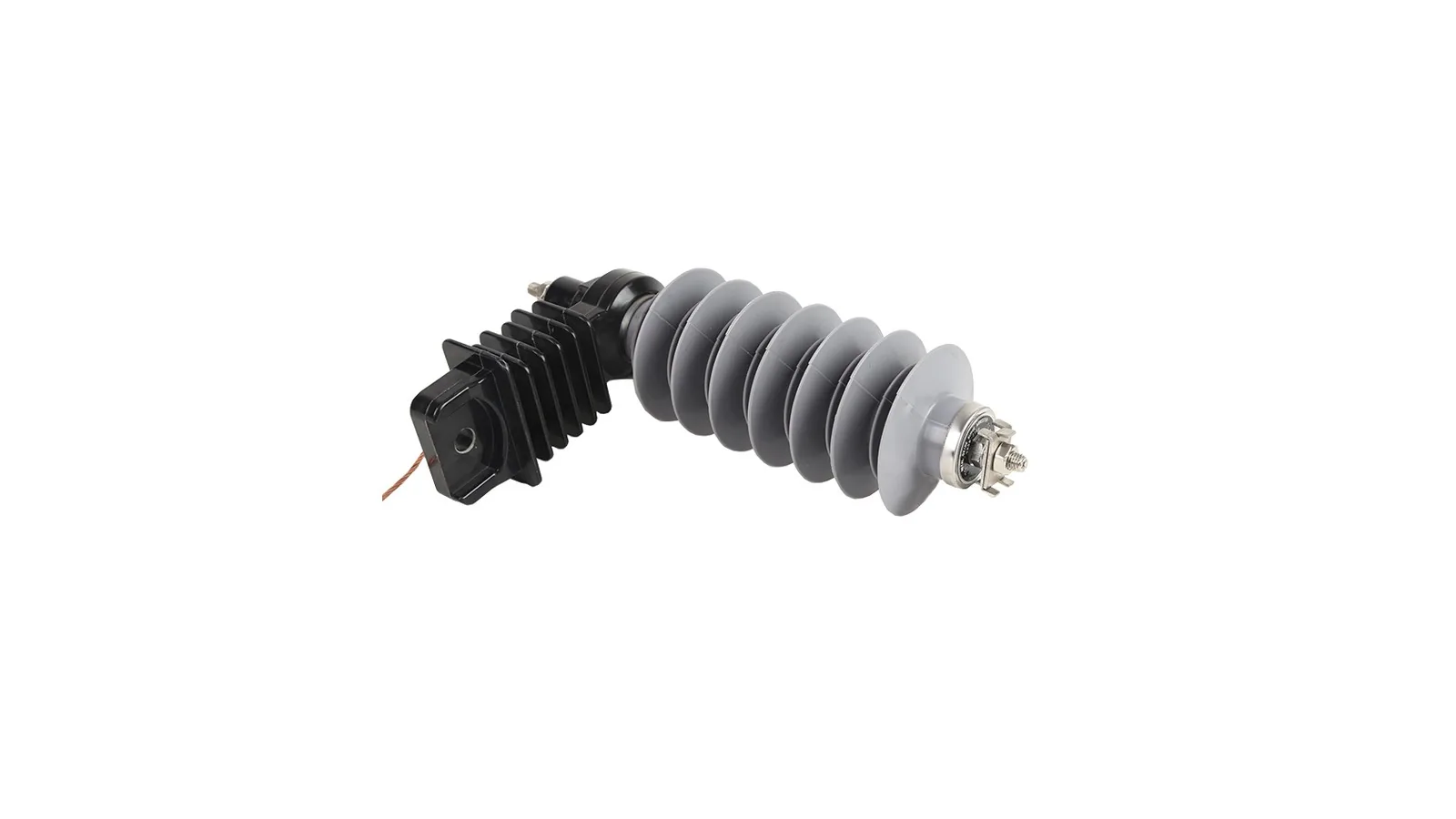
Line type surge arrester path for overhead distribution feeder protection where the MOV column, polymer housing, bracket and earthing lead must match the feeder insulation duty.
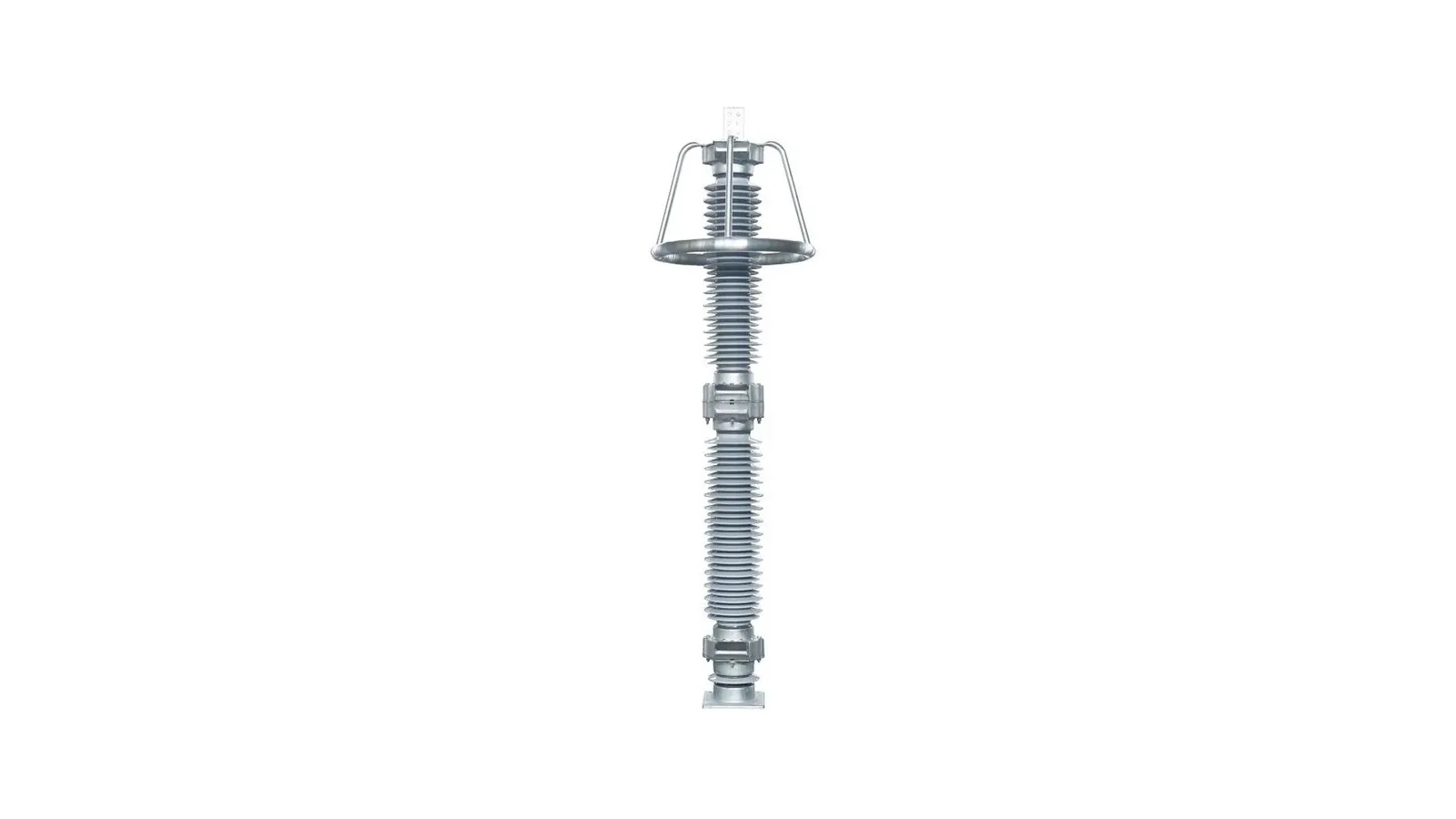
Station type surge arrester path for substation bay protection where higher insulation coordination, base fitting and station grounding must be checked together.
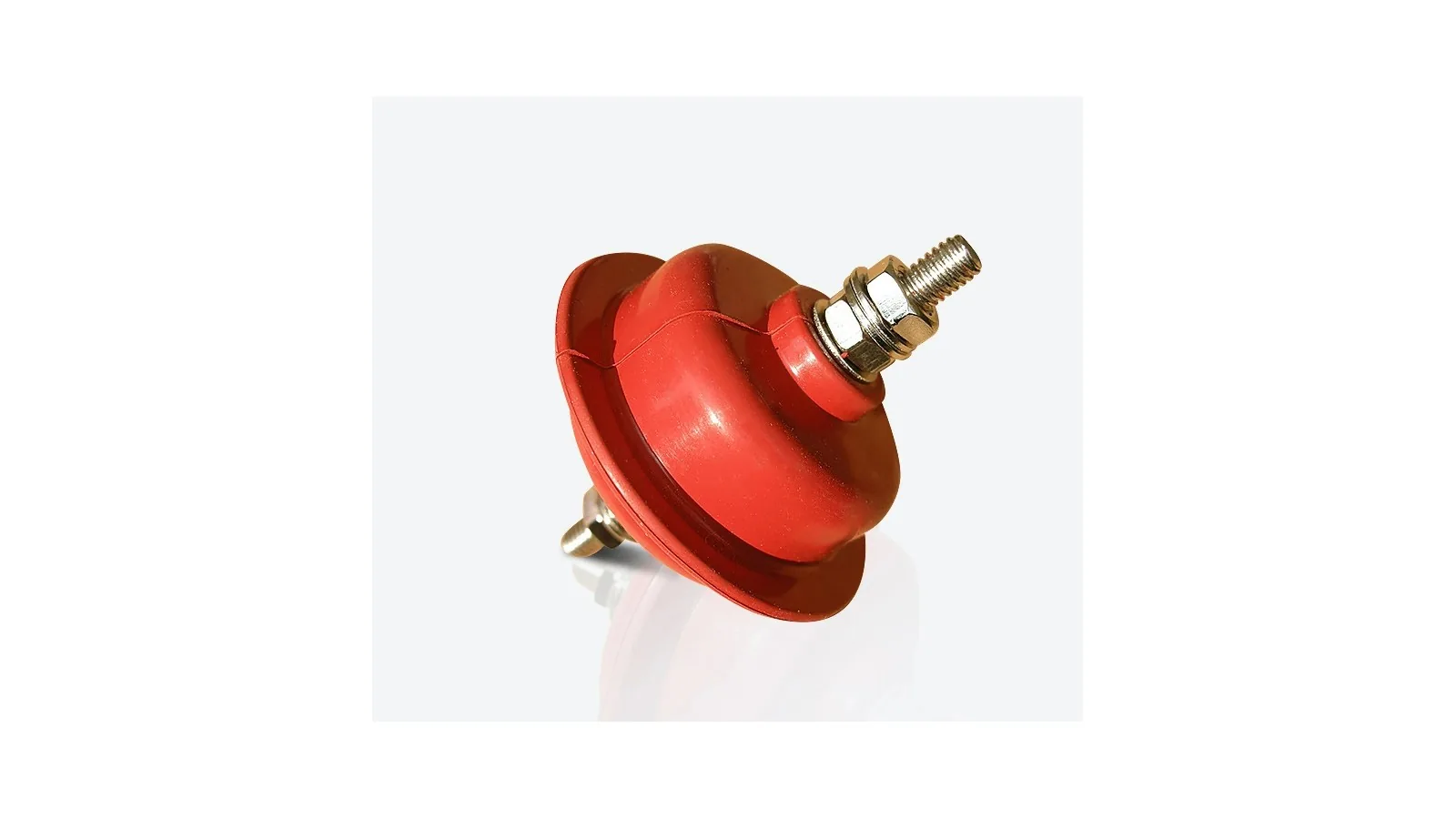
Low Voltage surge arrester path for service entrance, low-voltage panel or downstream auxiliary protection where pole count and AC/DC system type decide the selected device.
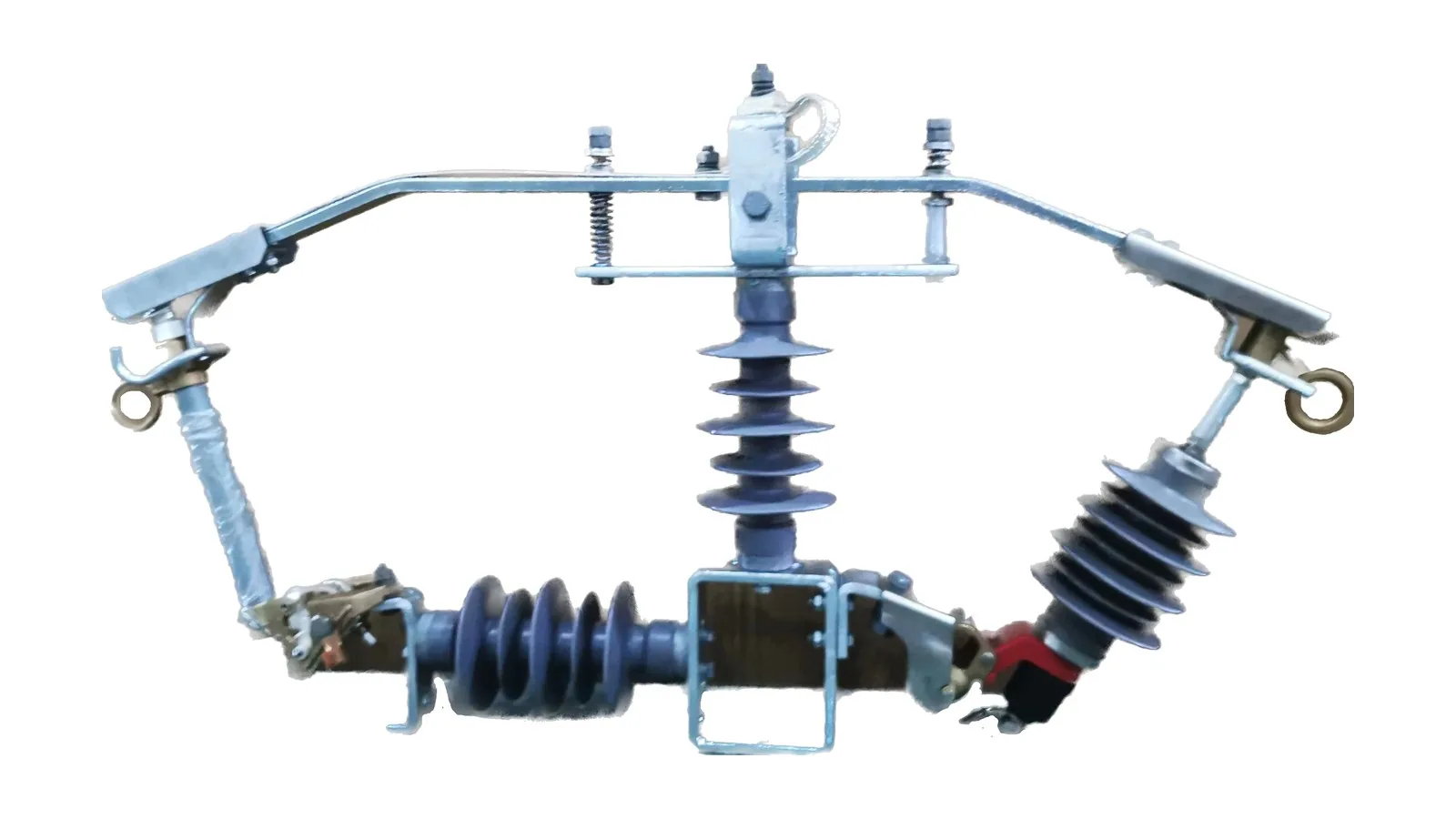
Combi cut-out and surge arrester path for pole-mounted fuse cutout assemblies where protection and overvoltage clamping are packaged in one feeder branch arrangement.
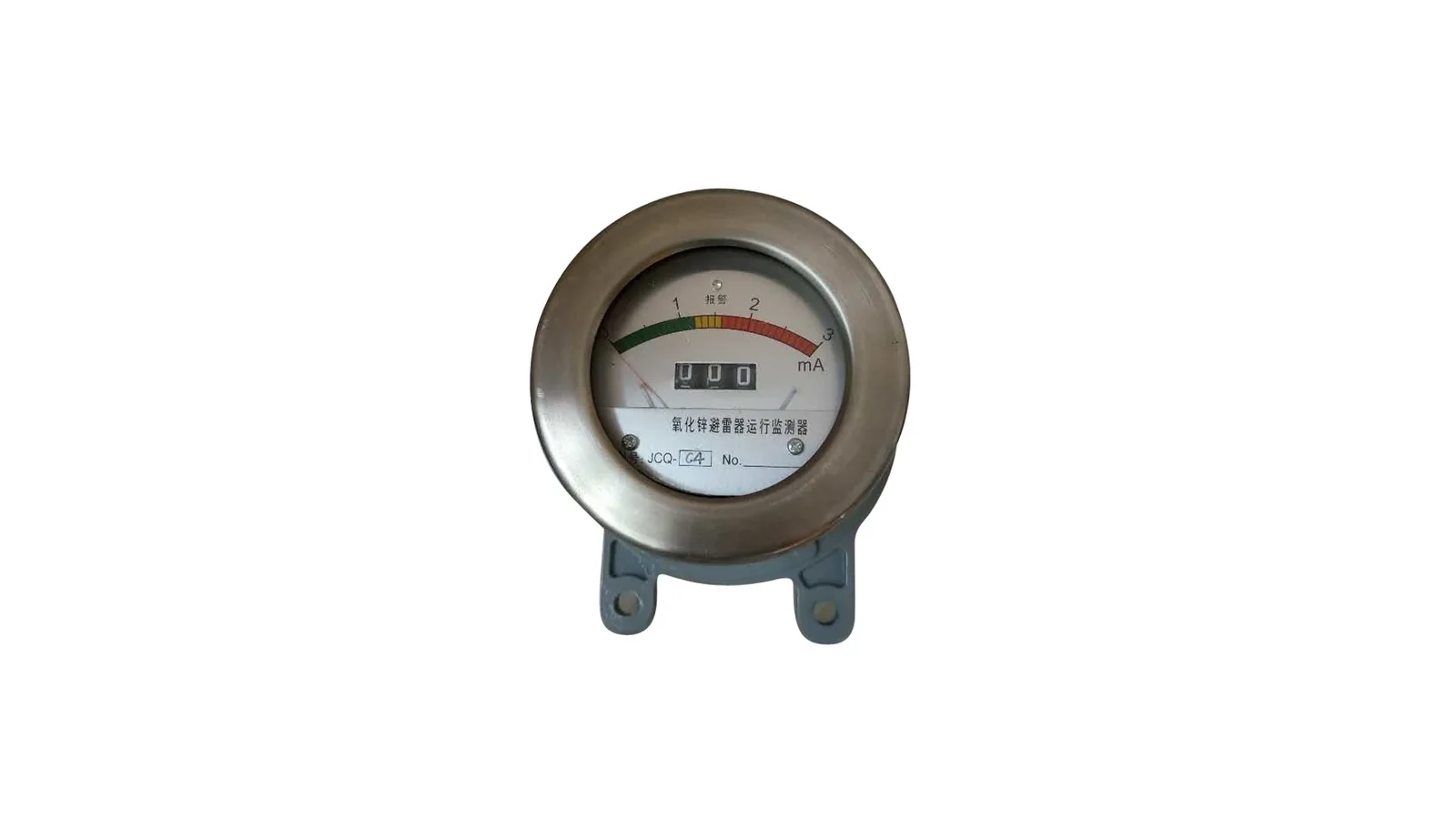
JCQ monitor path for online leakage-current observation and arrester operation counting across multiple high-voltage classes.
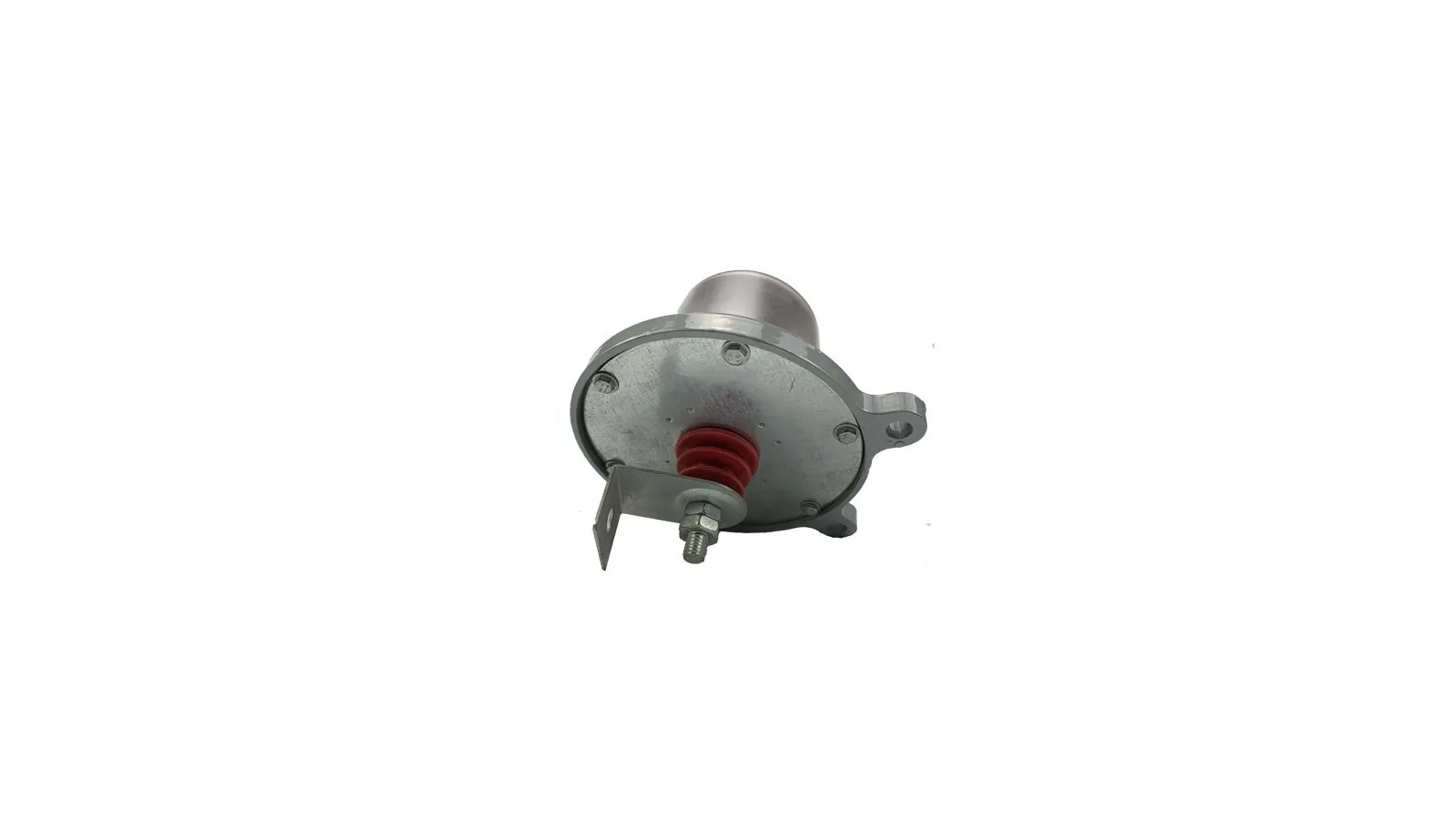
JS-8 counter path for recording arrester discharge operations on the grounding side below the arrester.
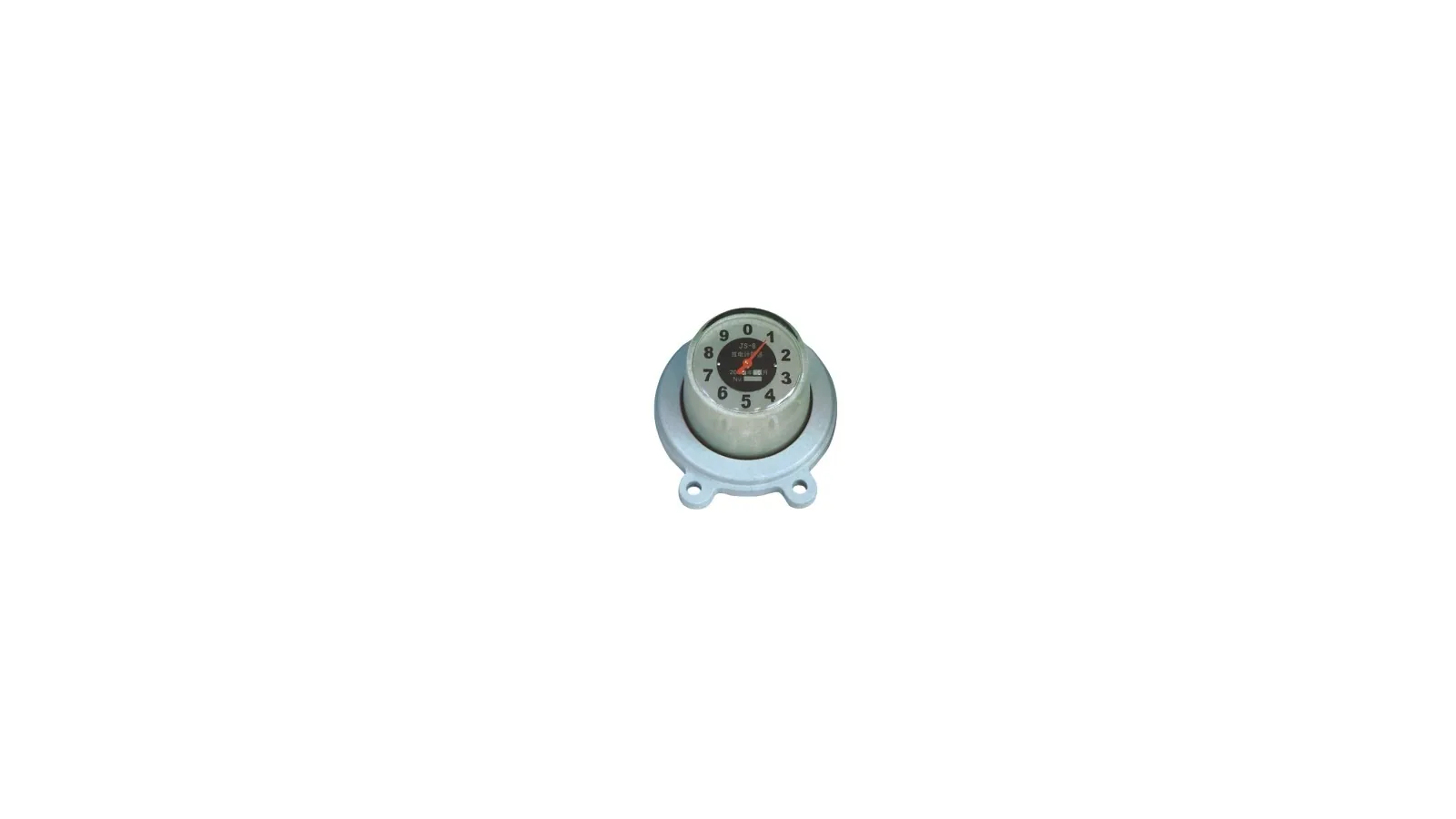
JSZ-8 counter with indicator path where the base counter function is combined with visible power or fault indication.
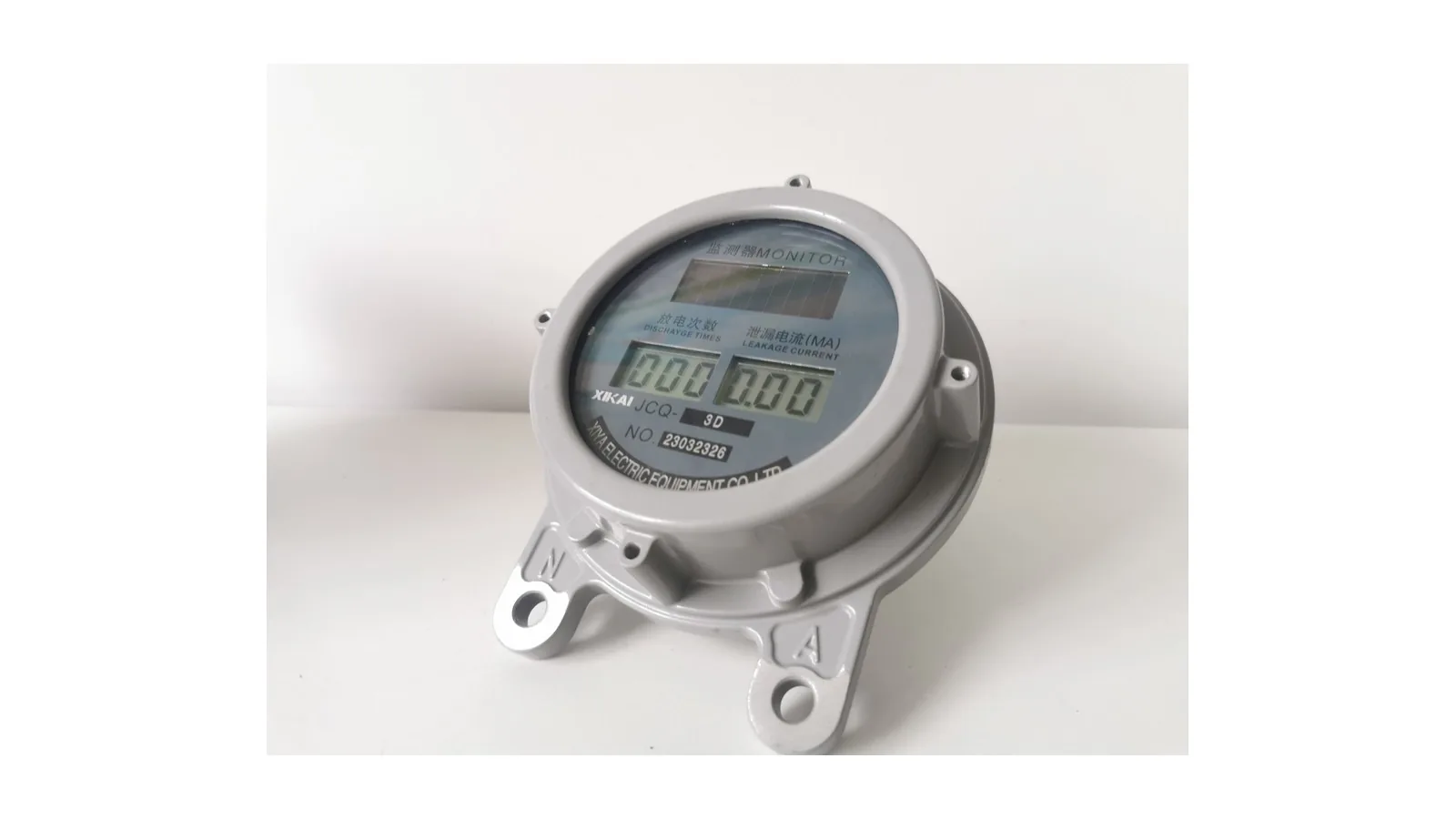
PV arrester counter path for solar station monitoring where the device is installed between surge arrester and earth and the PV station package decides final wiring.
The placement question comes first: overhead feeder, substation bay, LV cabinet, fuse cutout assembly, grounding-side counter or PV station monitor. Add the DE04-SA-05 counter accessory group only after the main arrester type is known.
Separate overvoltage clamping duty from monitoring duty before choosing the final product type.
Use these rows when the device must clamp overvoltage and discharge surge current.
Use these rows when the project needs operation count, leakage-current monitoring, visible indication or alarm output.
Confirm the grounding path, meter visibility and series installation position before selecting counter or monitor accessories.
Use the matrix to choose the correct product type before quotation: protection duty stays with arrester rows, while counting, monitoring and indication stay with accessory rows.
Use this sequence to separate arrester structure from monitor accessories: the MOV column clamps the surge, the housing and shed profile manage insulation, the disconnector or counter interface sits below the arrester, and the earthing path discharges current safely.
Confirm these elements before choosing the arrester type or adding a counter accessory.
Use arrester rows for voltage and surge-protection duty. Use counter and monitor rows only for counting, leakage-current monitoring, indication and grounding-side installation details.
Line, station, LV and cut-out combination rows cannot inherit each other’s rating data.
Do not use these accessory rows to set arrester voltage, MCOV or residual-voltage duty.
Drawing tabs help check dimensions and installation layout where a drawing is available; teams can also download surge arrester catalog PDFs before checking outline and mounting data. Voltage, MCOV, discharge current and creepage still need to come from the project sheet or order specification.
JCQ, JS-8 and PV counter options include drawing views for face diameter, hole spacing, terminal and mounting checks.
Do not infer voltage, MCOV, discharge current or creepage from product appearance or accessory drawings.
If line, station, LV, cut-out combination or JSZ-8 options need fixed dimensions, include an outline or mounting drawing request in the RFQ.
PV and JCQ counter instructions require series installation between arrester and earth, grounding before removal, repeated action testing and H.V. lead pull not more than 10 kg.
Send the product type and system position first, then match voltage, discharge duty, housing, mounting and monitoring accessories, or check certificates, test reports and RFQ forms before quotation release.
Line, station, LV, cut-out combination, or DE04-SA-05 counter accessory group for JCQ, JS-8, JSZ-8 and PV accessories.
Clamp surge current for arrester options or count/monitor for accessory options.
Do not copy values across unrelated voltage classes or accessory groups.
Base, bracket, earth lead, counter position and site conditions decide the final package.
Send product type, system voltage, MCOV or continuous operating voltage, nominal discharge current, creepage or pollution grade, housing option, bracket or base fitting, counter or monitor requirement, grounding path, site conditions and quantity.
Use a surge arrester where lightning or switching overvoltage must be clamped on an overhead feeder, substation bay, LV cabinet, fuse cutout branch or PV station protection point.
Choose the product type first when line, station, low-voltage, cut-out combination, JCQ, JS-8, JSZ-8 or PV counter options are still being compared. The model should follow system position, voltage duty, mounting interface and monitoring function.
Drawing tabs appear only when a matching drawing image or drawing page is available for that product type. If no Drawing tab appears, include the outline or mounting drawing request with the RFQ.
No. JCQ, JS-8, JSZ-8 and PV counters are monitoring accessories. Arrester voltage, MCOV, residual-voltage and discharge-current data must come from the selected arrester option and project sheet.
Start from system position. Use line arresters for overhead distribution feeders and station arresters for substation bay or transformer station insulation coordination.
Send the product type, system voltage, continuous operating voltage, nominal discharge current, housing option, bracket or base fitting, monitoring accessory need, grounding path, drawing need and destination standard. XIYA will return the suitable arrester option, drawing check, quotation scope and required document list.