Quotation form
Send an inquiry
Start with the basics. Our team can follow up for missing drawings, standards or packing details.
Submitted details are used only for quotation, technical review and project communication.

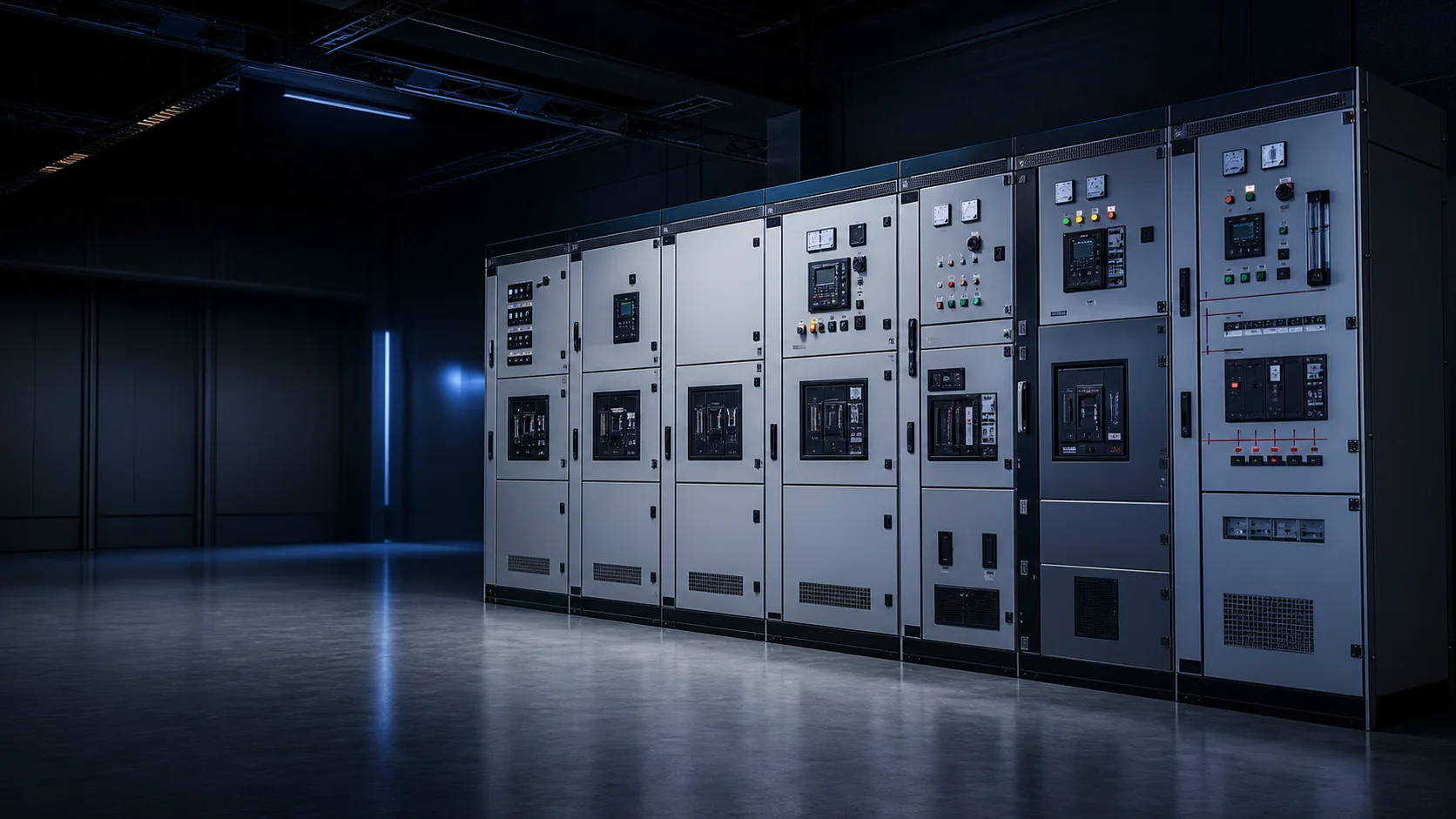
Compare low-voltage distribution cabinets, GIS gas-insulated switchgear, KYN28 metal-clad withdrawable switchgear, RMU and XGN fixed-type cabinets before preparing a technical RFQ.
Select the closest series from project role, voltage class and installation room. Model number, bay schedule and drawings come after the series is confirmed.
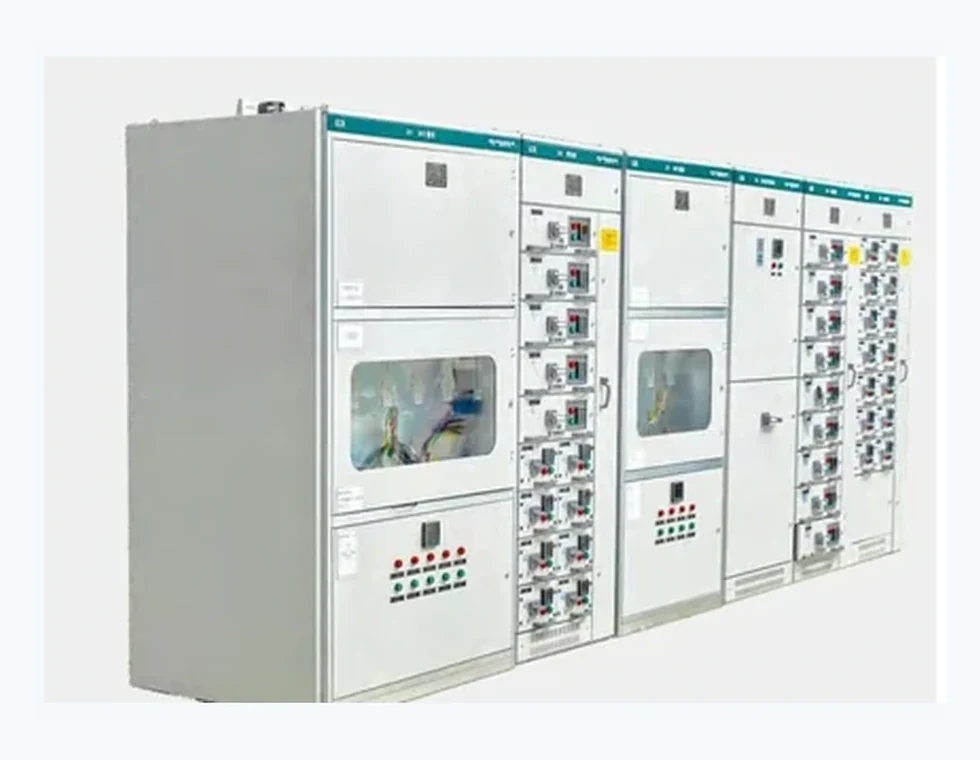
For transformer secondary distribution, MCC rooms, feeder drawers and fixed LV boards after the project is already on the low-voltage side.
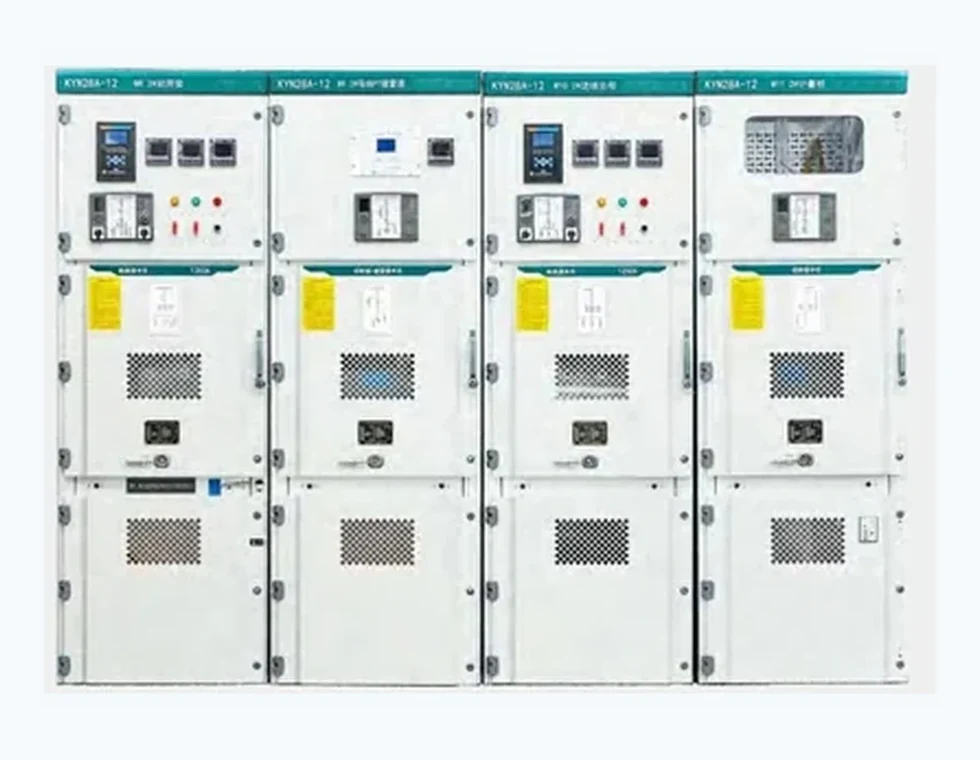
For indoor MV feeder bays that need a withdrawable VCB truck, relay chamber, metal-clad compartments and interlock review.
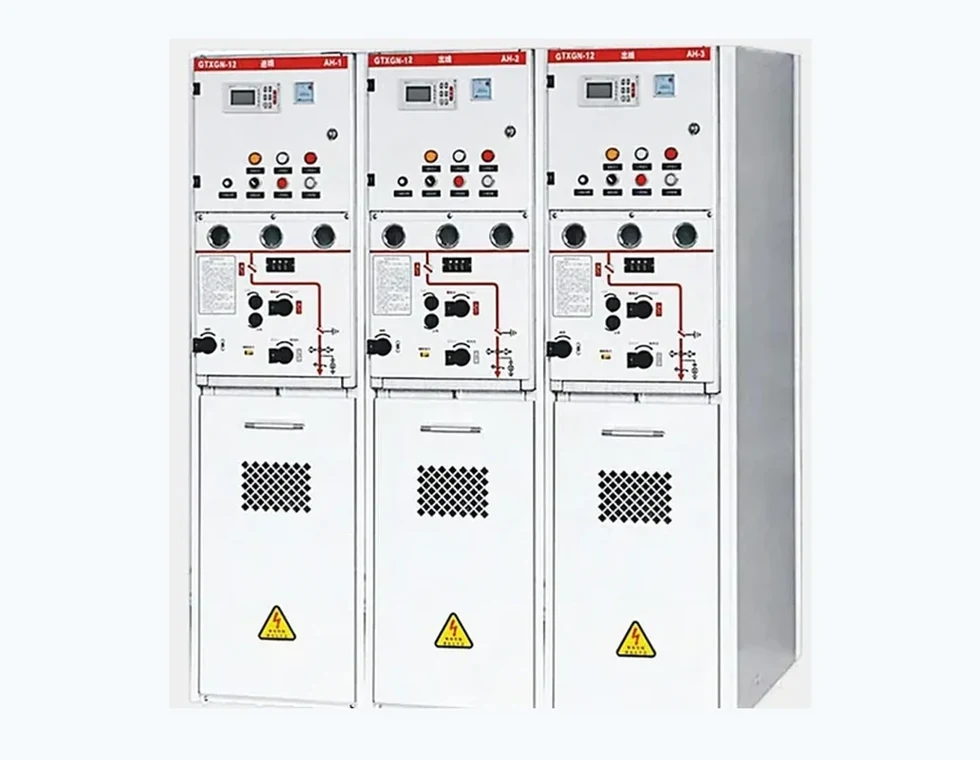
For compact cable ring networks, branch boxes, small substations and distribution terminals using C/F/V/CB module combinations.
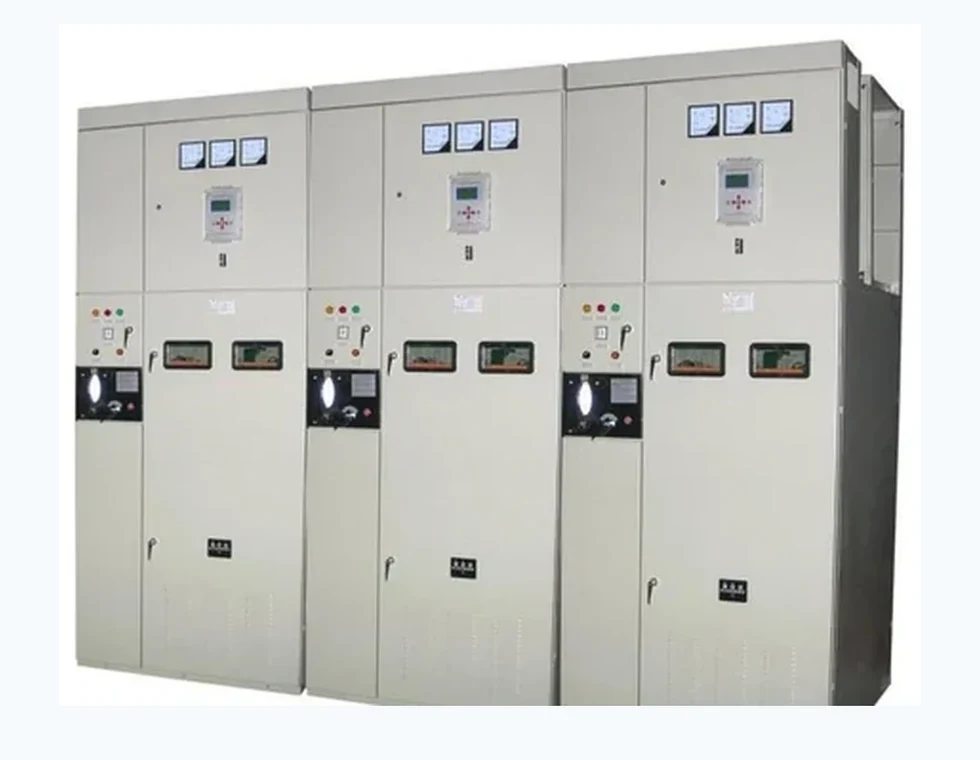
For fixed indoor MV or HV rooms where a box-type cabinet fits the layout, maintenance method and switch duty.
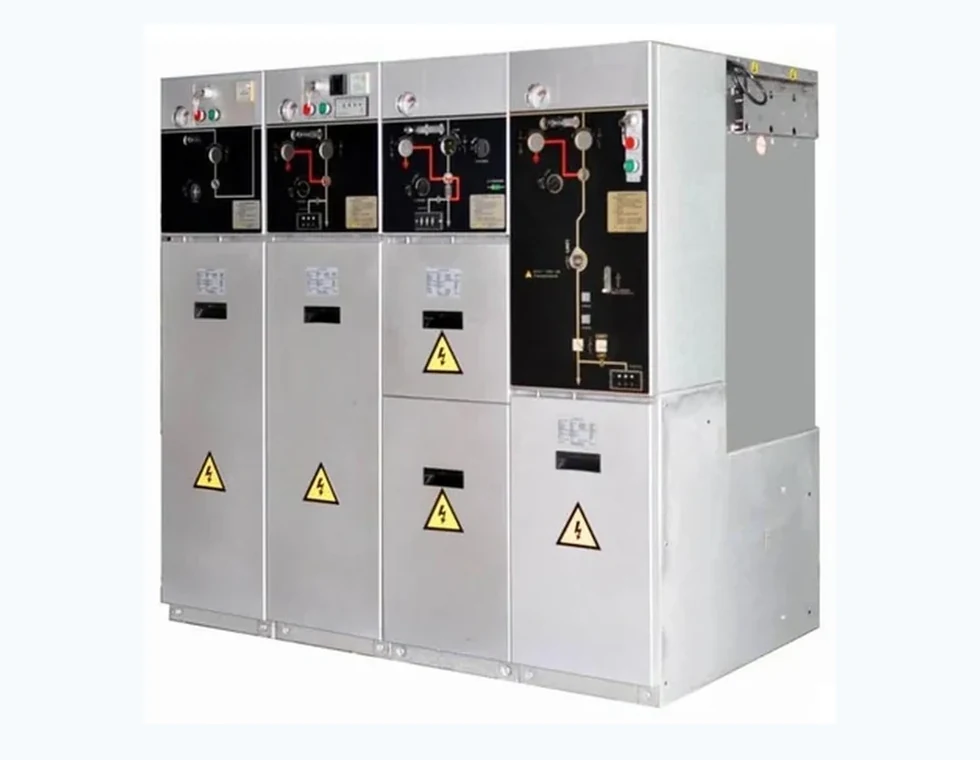
For GIS, SF6 sealed-tank, common-box or compact gas-insulated cabinet inquiries. Available values cover 10 kV, 12 kV and 12/24 kV sealed cabinet applications.
Use these values for early GIS, SF6 sealed-tank, common-box and compact gas-insulated cabinet review before confirming the final module sequence and quotation package.
JLSRM-12 gas-insulated RMU, XRM/SRM 12/24 common-box RMU, HXGN15-12 SF6 ring network cabinet and 10 kV enclosed gas-insulated RMU package.
10 kV distribution network, 12 kV gas-insulated RMU and 12/24 kV common-box or SF6 ring cabinet values.
JLSRM-12 630 A class. XRM/SRM lists C 630 A, F 125 A, V 630 A and CB 1250/630 A. HXGN15-12 lists main and branch busbar 1250/630 A.
JLSRM-12 lists 45 kV power-frequency withstand and 75 kV lightning impulse. XRM/SRM lists 42/50 kV power-frequency and 95/125 kV impulse. HXGN15-12 lists 42/65 kV power-frequency and 75/125 kV impulse values.
JLSRM-12 lists 20 kA breaking for V module, 63 kA peak making and 25/20 kA short-time withstand. XRM/SRM lists F 31.5 kA, V 20/16 kA and CB 25/20 kA breaking values. HXGN15-12 lists 20 kA / 3 s main-circuit withstand and 50 kA peak withstand.
SF6 gas medium, sealed stainless-steel body, common-box construction, enclosed gas chamber option, IP65 gas chamber value for the enclosed unit and IP3X value for HXGN15-12.
JLSRM-12 lists 3000 operations for C module and 10000 operations for V module. XRM/SRM lists C 5000, F 3000, V 5000 and ES 2000/5000 operations. HXGN15-12 lists 2000 operations for load switch and earthing switch.
XRM/SRM lists -25 C to +40 C and humidity below 95%. Other sealed gas-insulated cabinet values should be confirmed against the project standard before quotation.
Match the cabinet series to the installation environment first: LV room, indoor MV switchgear room, compact cable network, fixed MV room or sealed gas-insulated requirement.
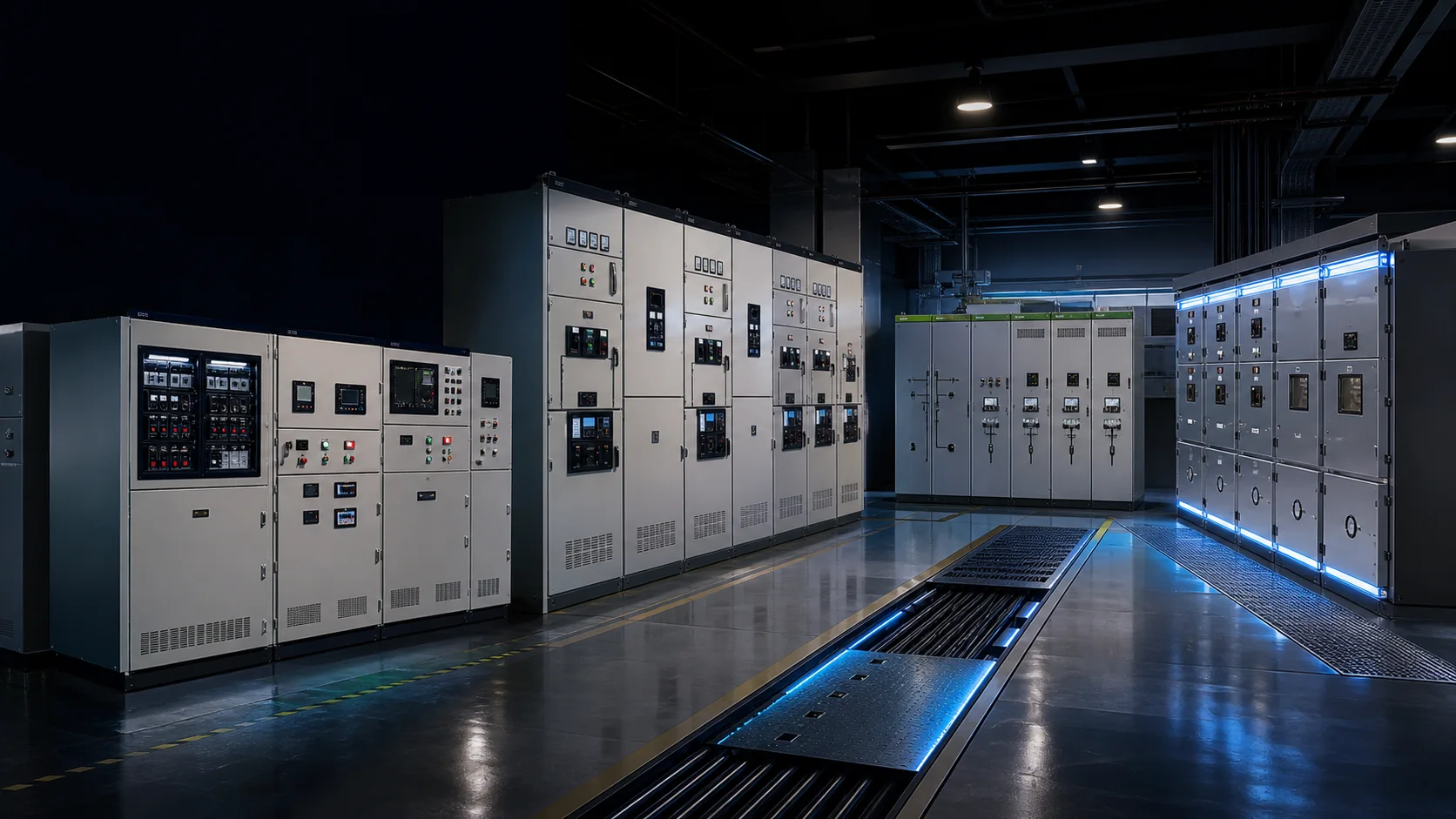
Use LV distribution cabinets in indoor low-voltage power rooms, MCC rooms, plants, commercial buildings and transformer secondary distribution boards.
Use KYN28 switchgear in indoor medium-voltage rooms where incoming, outgoing or transformer feeder bays require withdrawable VCB trucks.
Use RMU cabinets in cable ring networks, small substations, branch boxes and distribution terminals where compact modular bays reduce room footprint.
Use XGN fixed-type switchgear in substations, power plants, transformer rooms, industrial facilities and commercial buildings where fixed box-type cabinet layout fits.
Use GIS gas-insulated switchgear wording for SF6 sealed-tank, common-box and compact gas-insulated cabinet inquiries before final module and bay confirmation.
LV rooms, MCC and power centers.
Compensation, metering and drawer circuits.
Breaker package / IP level / Feeder count
Incoming current / Feeder schedule / Room standard
Indoor feeder and transformer bays.
Compartment separation and interlocks.
Busbar current / Cable entry / Interlock
Feeder function / Relay scheme / Drawing request
Cable rings, branch boxes and terminals.
Load switch, fuse, VCB and earthing.
Expandable bus / Metering bay / Cable termination
Feeder count / Cable size / Utility standard
Substation or transformer-room fixed bay.
Fixed incoming and feeder switching.
Bus arrangement / Protection / Room clearance
Rated voltage / Breaking current / Cable direction
GIS, SF6, common-box or sealed cabinet inquiries.
Load switch, fuse, VCB and breaker module checks.
Gas pressure / IP65 tank option / Cable interface
Insulation medium / Module sequence / Utility standard
After the cabinet series is selected, define the enclosure format, switching unit, main circuit path, protection layer and room interface before final model confirmation.
Series choice sets the enclosure. The switching unit, busbar path, cable entry and protection layer then define the final cabinet package.
System voltage and room duty define the enclosure format.
VCB truck, load switch, fuse combination or fixed bay duty.
Main busbar, branch busbar, cable side and termination direction.
Protection, metering, control power and interlock logic.
Cabinet width, access side, cable trench and clearance.
Dielectric, mechanical operation and interlock checks.
Fixed, drawer, withdrawable, sealed, common-box, expandable or non-expandable cabinet layout.
VCB truck, load switch, fuse combination, breaker module and earthing switch define the bay duty.
Incoming busbar, branch busbar, cable entry and termination direction decide the compartment arrangement.
Relay, CT/PT, metering, control power, indication and interlocks are matched to the feeder function.
Cabinet width, access side, cable trench position and extension side must match the switchgear room.
Use technical files to confirm the cabinet series, bay sequence, room interface and wiring before production drawings are locked; teams can also download switchgear cabinet catalog PDFs before final series review.
Voltage class, rated current, short-circuit level, insulation level and service condition.
Incoming supply, feeder function, transformer bay, metering bay and outgoing circuit count.
Cabinet sequence, module order, breaker or switch duty, CT/PT and relay requirement.
Cabinet width, cable entry, trench position, room clearance, wiring and terminal arrangement.
Keep factory inspection and packing records separate from drawing review so each stage has a clear document purpose.
LV cabinet, KYN28, RMU, XGN and GIS wording use different rating rows, enclosure formats and drawing references.
The diagram confirms incoming supply, feeder purpose, metering position and transformer connection before the bay schedule is finalized.
Outline and wiring drawings should reflect cabinet width, access side, cable trench, terminal position and future extension side.
Drawing files define layout and wiring before production; routine inspection and packing records belong to the delivery stage.
XIYA POWER can align routine checks, packing method, shipping marks and destination documents with the final order scope.
Visual assembly, wiring marks, nameplate data and basic mechanical condition are checked before packing.
Breaker truck movement, switch operation, earthing position and door interlock logic are checked where applicable.
Power-frequency withstand, insulation resistance or project-specified electrical checks can be arranged with the order scope.
Cabinets are fixed for sea or land transport with moisture protection, shipping marks and destination document support.
Send the selected series, ratings, bay package and delivery context, or check certificates, test reports and RFQ forms when project files need review. XIYA POWER can then return a focused cabinet quotation instead of a generic model estimate.
LV cabinet, KYN28, RMU, XGN or GIS wording, plus application environment.
Voltage class, rated current, short-circuit level, frequency and protection degree.
Single-line diagram, bay schedule, switching unit, CT/PT, relay and metering need.
Cable direction, room limit, quantity, destination standard, packing request and document language.
Use low-voltage distribution cabinets when the project is on the transformer secondary side and needs MCC feeders, drawer units, fixed outgoing boards, compensation or metering inside a 380 V to 690 V LV room.
Use KYN28 for indoor MV rooms that need withdrawable VCB feeder bays, relay chambers, metal-clad separation and higher short-circuit review. Use an RMU for compact cable rings, branch boxes and secondary distribution terminals.
Use the GIS entry for gas-insulated, SF6 sealed-tank, common-box or compact sealed cabinet inquiries. Confirm voltage class, module sequence, insulation medium, bay count and cable interface before separating it from RMU-style sealed units.
Send the selected cabinet series, single-line diagram, voltage class, rated current, short-circuit level, bay sequence, protection package, cable direction, quantity and destination standard.
Request outline dimensions, single-line diagram review, wiring drawings and room layout drawings after the cabinet series and bay schedule are confirmed.
Typical checks include visual assembly, nameplate data, wiring marks, mechanical operation, breaker or switch movement, earthing position, interlock logic and electrical tests required by the order scope.
Export packing should fix the cabinet body, protect door panels and meters, add moisture protection, mark cabinet numbers and shipping marks, and match the packing method to sea, land or container transport.