Quotation form
Send an inquiry
Start with the basics. Our team can follow up for missing drawings, standards or packing details.
Submitted details are used only for quotation, technical review and project communication.

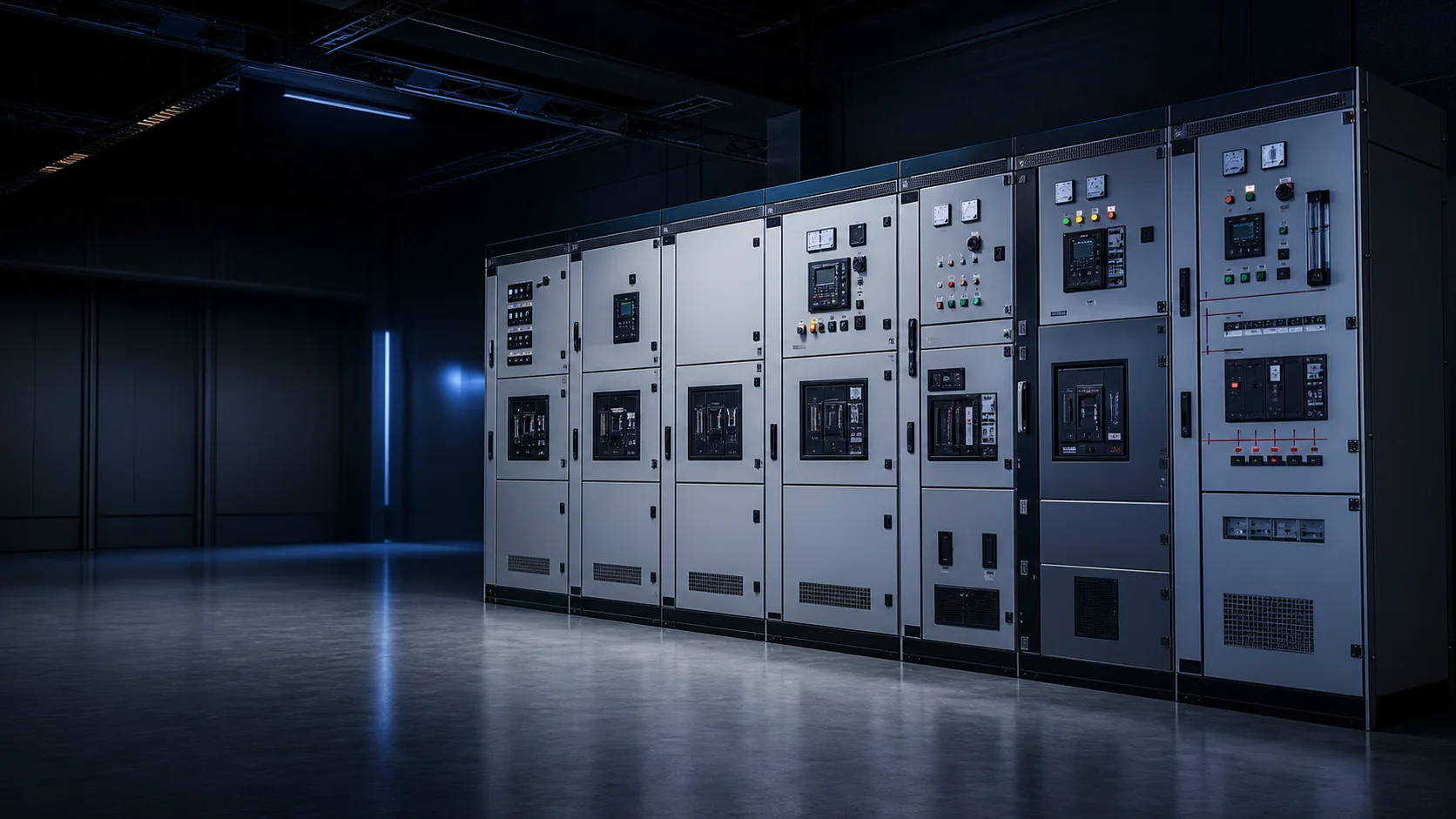
RMU cabinets for 12 kV and 24 kV cable ring networks, secondary substations, branch boxes and distribution terminals. Select gas-insulated, solid-insulated, SF6 or common-box modules by voltage class, module sequence and fault level.
Compare insulation method, module function, rated current and breaking duty before requesting GA and single-line drawings.
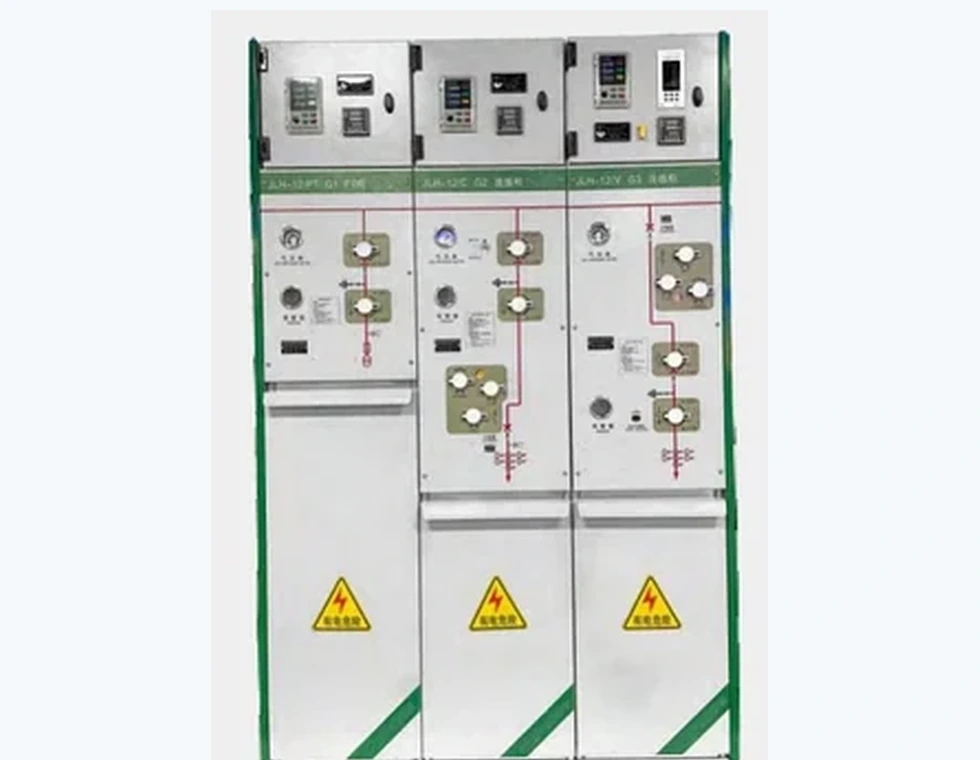
12 kV gas-insulated RMU for 6 kV and 10 kV distribution systems, using modular C/V units, sealed stainless-steel tank construction and expandable bus options.
Fits compact cable ring or distribution-terminal duty where fixed or expandable modular RMU combinations are required.
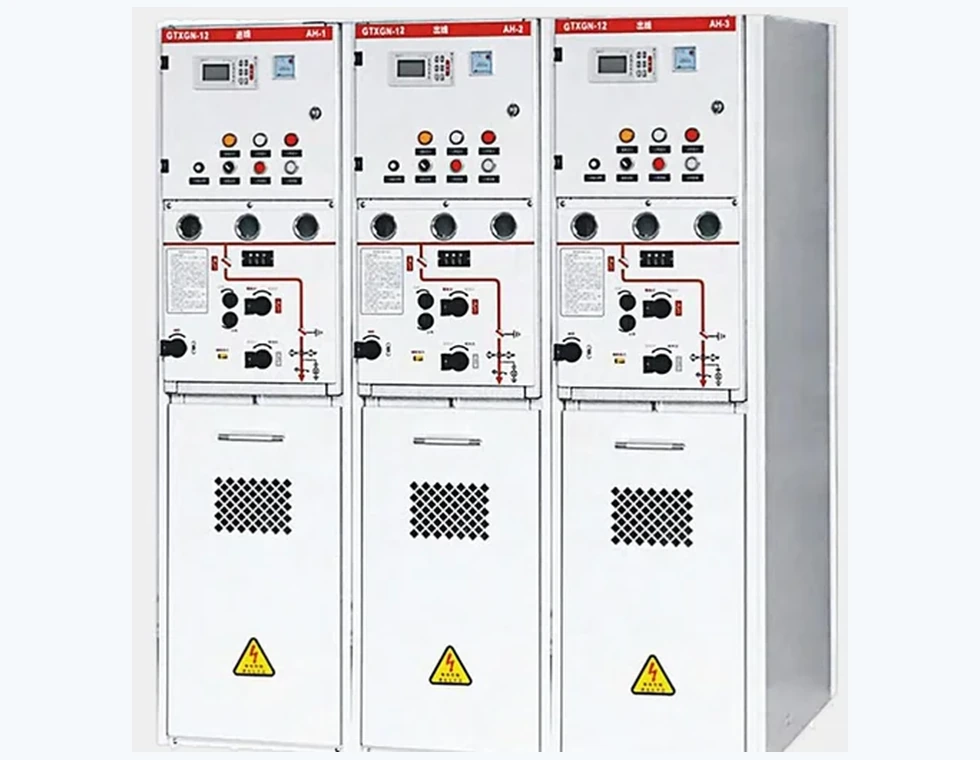
Solid-insulated RMU for 3.6-12 kV three-phase AC 50/60 Hz single-bus-section systems and distribution terminals.
Use where a solid-insulated, fully sealed and shielded RMU cabinet is preferred for compact secondary distribution.
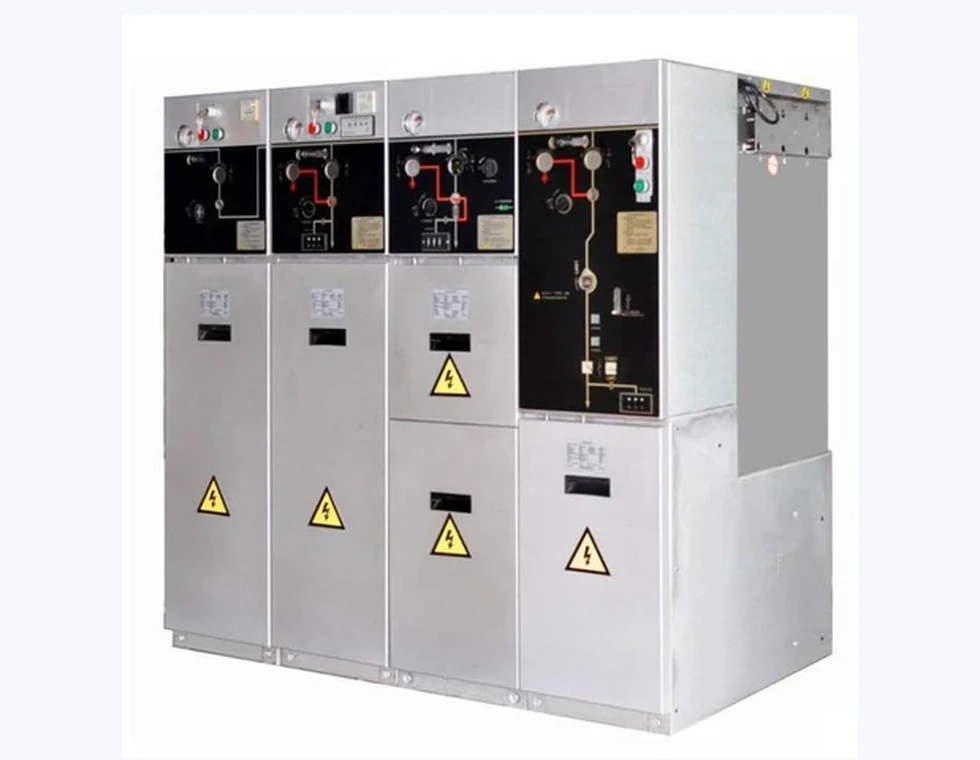
Fully insulated and fully sealed common-box RMU for compact secondary power stations and medium-voltage distribution nodes.
Use when a sealed common-box RMU with C, F, V or CB modules fits the site standard and cable interface.
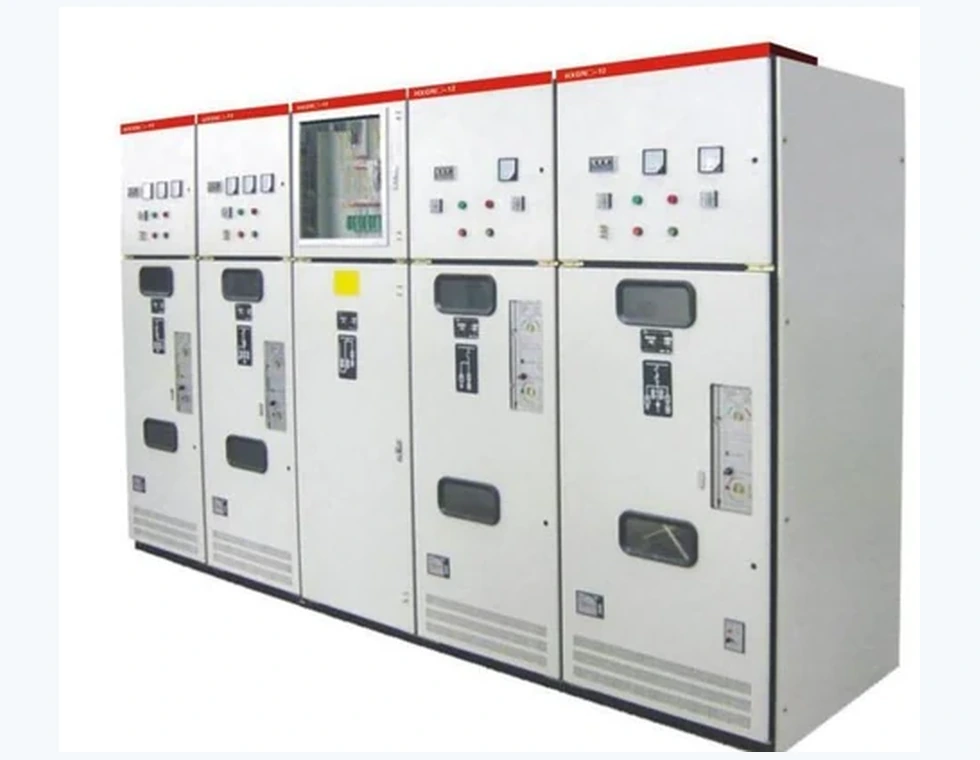
SF6 load-switch-based metal-enclosed ring network cabinet with an air-insulated cabinet structure and automation option.
Use for compact and expandable ring network cabinets where SF6 load-switch duty and interlocking need to be confirmed.
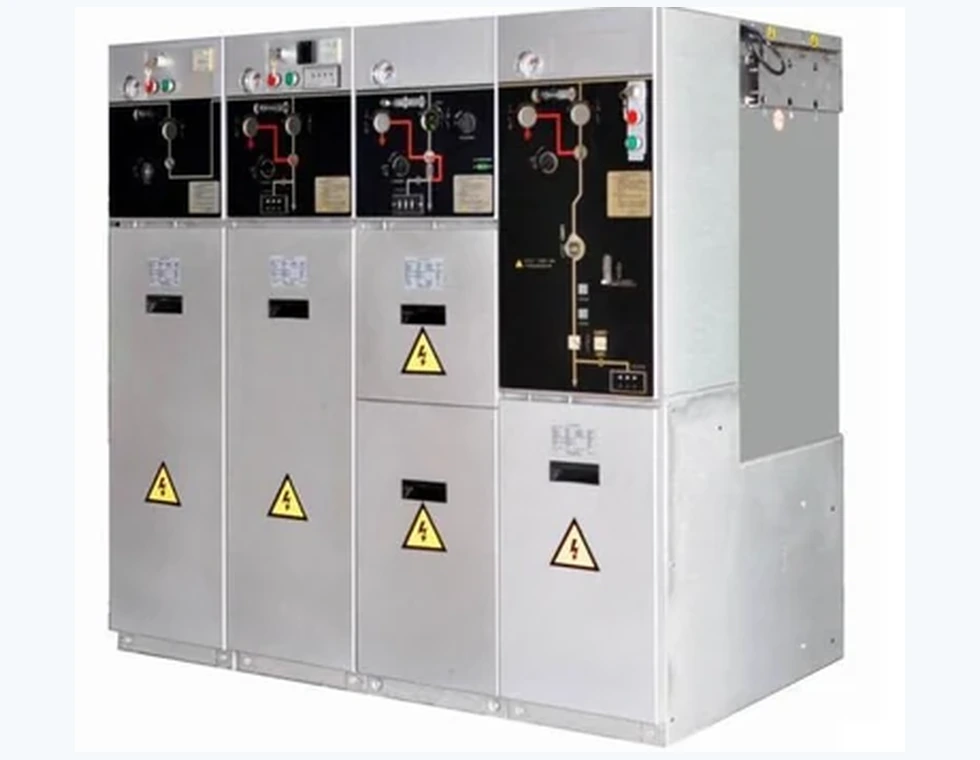
Modular full-insulation and full-sealing 12 kV solid-insulated switchgear with an independent low-voltage room.
Use when modular solid-insulated switching, protection and metering functions need to share a compact cabinet assembly.
Confirm system voltage first. JLSRM, JLGTRM and GTXGN are 12 kV options; XRM/SRM and HXGN15 include 12/24 kV ratings.
Define load switch, fuse-combination, vacuum switch, circuit breaker, earthing and metering bays before cabinet layout.
Keep the insulation method aligned with utility acceptance, maintenance plan, environmental policy and cable interface.
Check each bay current separately because fuse, load-switch, breaker and common-box modules do not share one current value.
Match short-circuit breaking, making, short-time withstand and peak withstand to the network calculation.
Confirm cable entry, branch direction, expandable bus, room clearance, enclosure duty and automation interface before drawing release.
Use RMU cabinets where compact MV switching is needed at a cable ring, secondary substation, branch box or distribution terminal. Check ambient limits and utility rules before fixing the cabinet type.
Use RMU cabinets for compact ring-main switching where load-switch, fuse-combination or breaker modules are arranged in a small lineup.
Use JLGTRM, XRM/SRM, HXGN15 or GTXGN where small secondary substations and switching stations need sealed MV switching.
Use enclosed gas-insulated or solid-insulated RMU packages where cable branch, looped supply, terminal supply or distribution-terminal duty is required.
RMU applications include airports, subways, railways, tunnels, shopping malls, industrial sites, high-rise buildings and wind power sites.
For production release, confirm the GA drawing, single-line and control drawings, routine test checklist and packing method before cabinet split and shipment. For broader RMU file review, download ring main unit catalog PDFs.
Cabinet lineup, module order, overall dimensions, cable compartment, busbar extension, foundation reference and room clearance.
Incoming and outgoing modules, load switch or breaker function, metering, protection, automation interface and terminal wiring.
Power-frequency withstand, insulation, mechanical operation, earthing operation, interlock, nameplate and protection-degree checks.
Cabinet split, lifting point, moisture protection, SF6 or sealed-tank handling note, packing marks and destination standard.
A ring main unit is used for compact medium-voltage cable ring switching, secondary distribution, branch boxes, switching stations and distribution terminals.
Choose gas-insulated RMU when compact sealed construction and utility acceptance are the priority. Choose solid-insulated RMU when the project requires sealed solid insulation, reduced gas handling or a specific environmental policy.
C is a load-switch module, F is a fuse-combination module, V is a vacuum switch module and CB is a vacuum circuit-breaker module. The exact sequence must match the single-line diagram.
Use RMU for compact cable ring networks and secondary distribution nodes. Use KYN28 when the project needs indoor metal-clad withdrawable VCB cabinets, relay chambers and switch room maintenance access.
Send the single-line diagram, voltage class, module sequence, rated current, short-circuit level, cable size, enclosure requirement, metering or automation need, quantity and destination standard.
Checked for RMU RFQ use against XIYA POWER specification data, model ratings and drawing requirements.
Final cabinet choice depends on voltage class, C/F/V/CB sequence, rated current, cable interface and site standard.
Production release uses cabinet layout, single-line and control drawings, routine test checklist and packing method.
No standard cabinet package is assumed; quotation follows cabinet option, configuration, quantity, destination and Incoterms.
USD 2,200-38,000 reference range is for early budgeting. The final quote depends on voltage class, module sequence, rated current, fault level, enclosure, metering or automation package, quantity, destination and utility standard. Send the single-line diagram, voltage class, module sequence, rated current, short-circuit level, cable size, enclosure requirement, metering or automation need, quantity and destination standard. XIYA POWER will confirm the RMU option, rating match, drawing scope, packing method and quotation. For procurement review, check certificates, test reports and RFQ forms.