Quotation form
Send an inquiry
Start with the basics. Our team can follow up for missing drawings, standards or packing details.
Submitted details are used only for quotation, technical review and project communication.

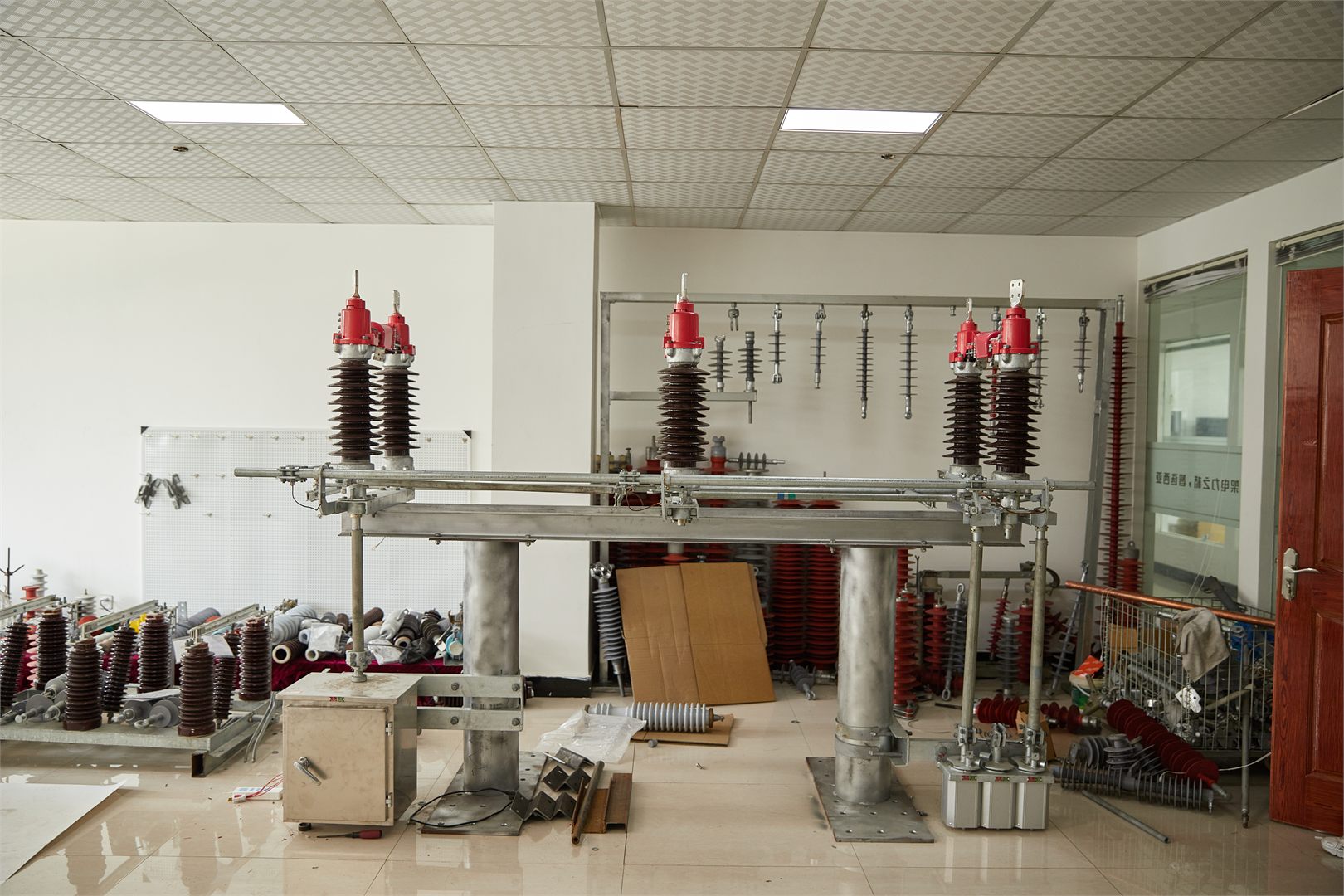
Compare outdoor disconnect switches, air break switches, fuse disconnect switches, earthing switches, bypass disconnectors and indoor switch disconnectors by line position, duty, rating input and mounting package.
Start with the switching task: visible isolation, air break switching, fuse protection, grounding, bypass duty or indoor cabinet isolation.
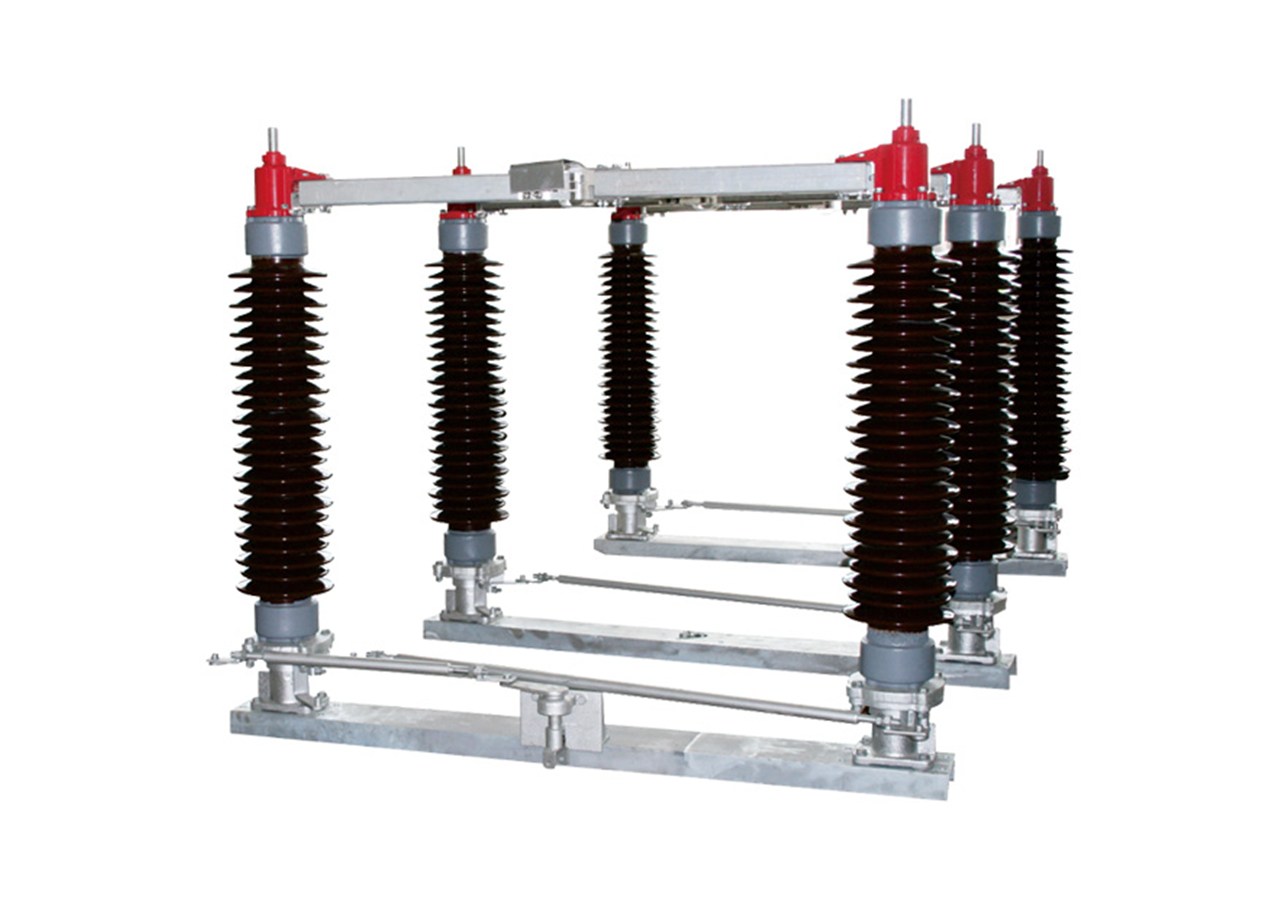
Visible no-load isolation for overhead lines, substations and utility switching points before maintenance work.
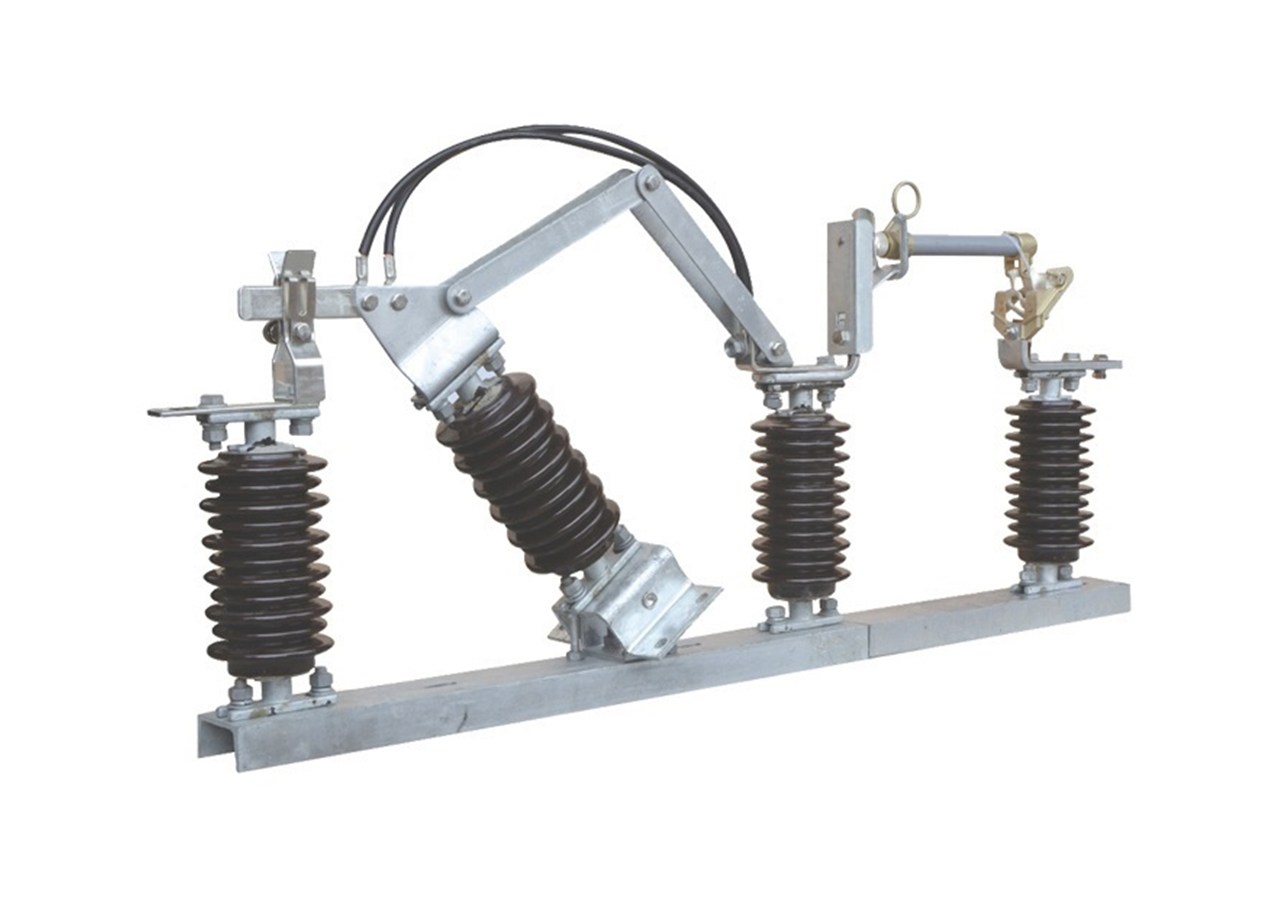
Outdoor air break switching for medium voltage overhead distribution lines and sectionalizing points.
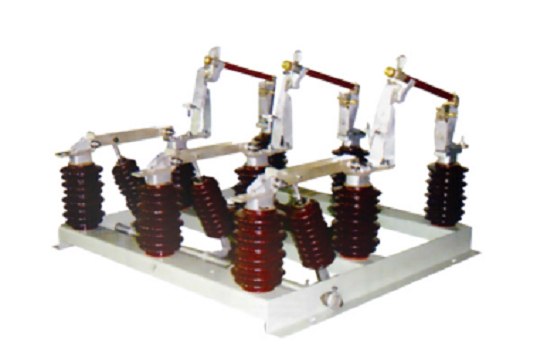
Fuse-linked disconnect switching for protection points where isolation and fuse carrier selection belong together.
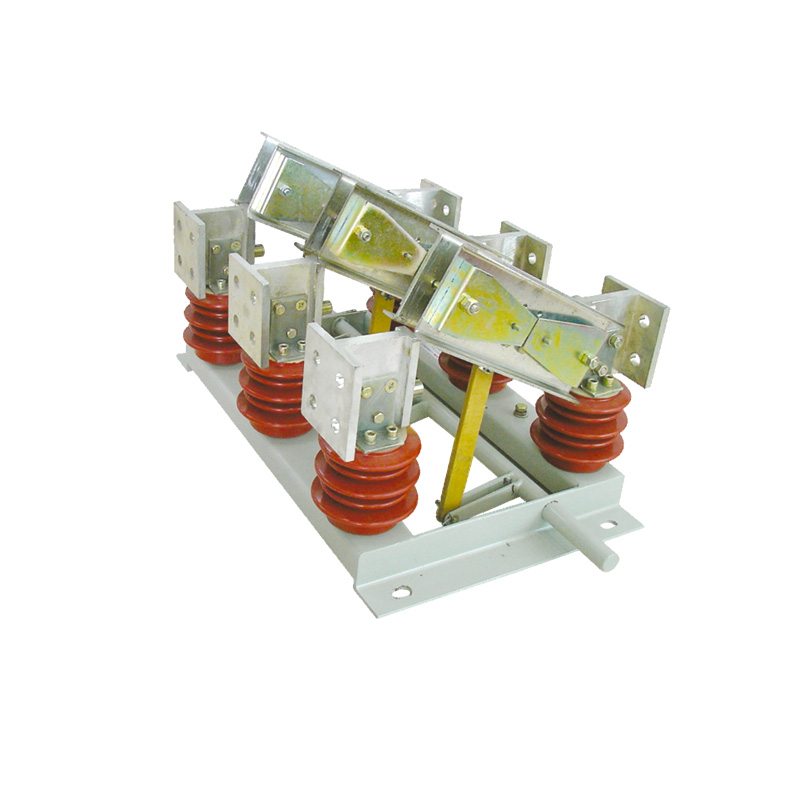
Grounding and maintenance isolation equipment for switchgear, substations and outdoor switching assemblies.
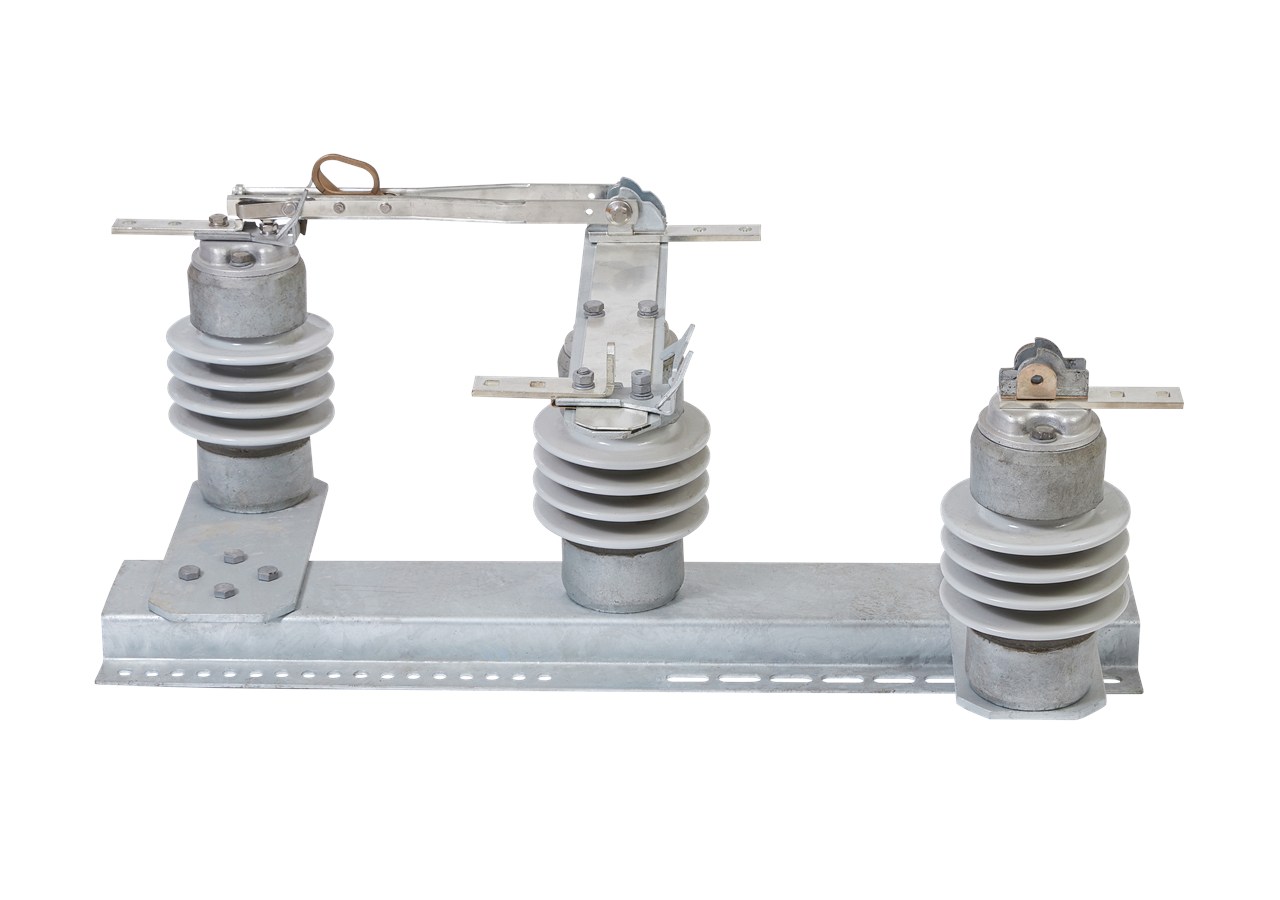
Bypass switching assemblies for recloser, breaker or line equipment maintenance arrangements.
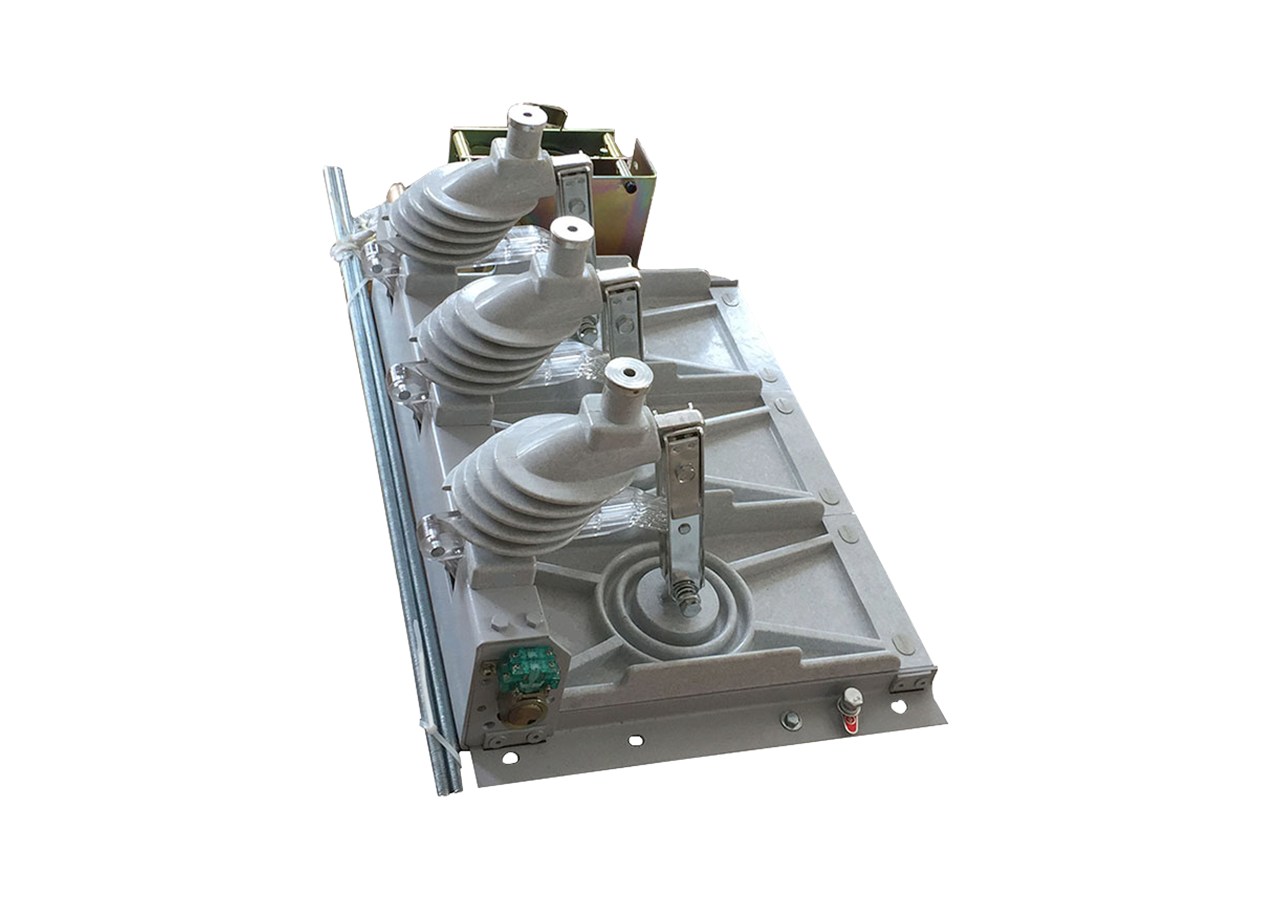
Indoor isolators, switch disconnectors and three-position switches for switchgear cabinets and compact distribution assemblies.
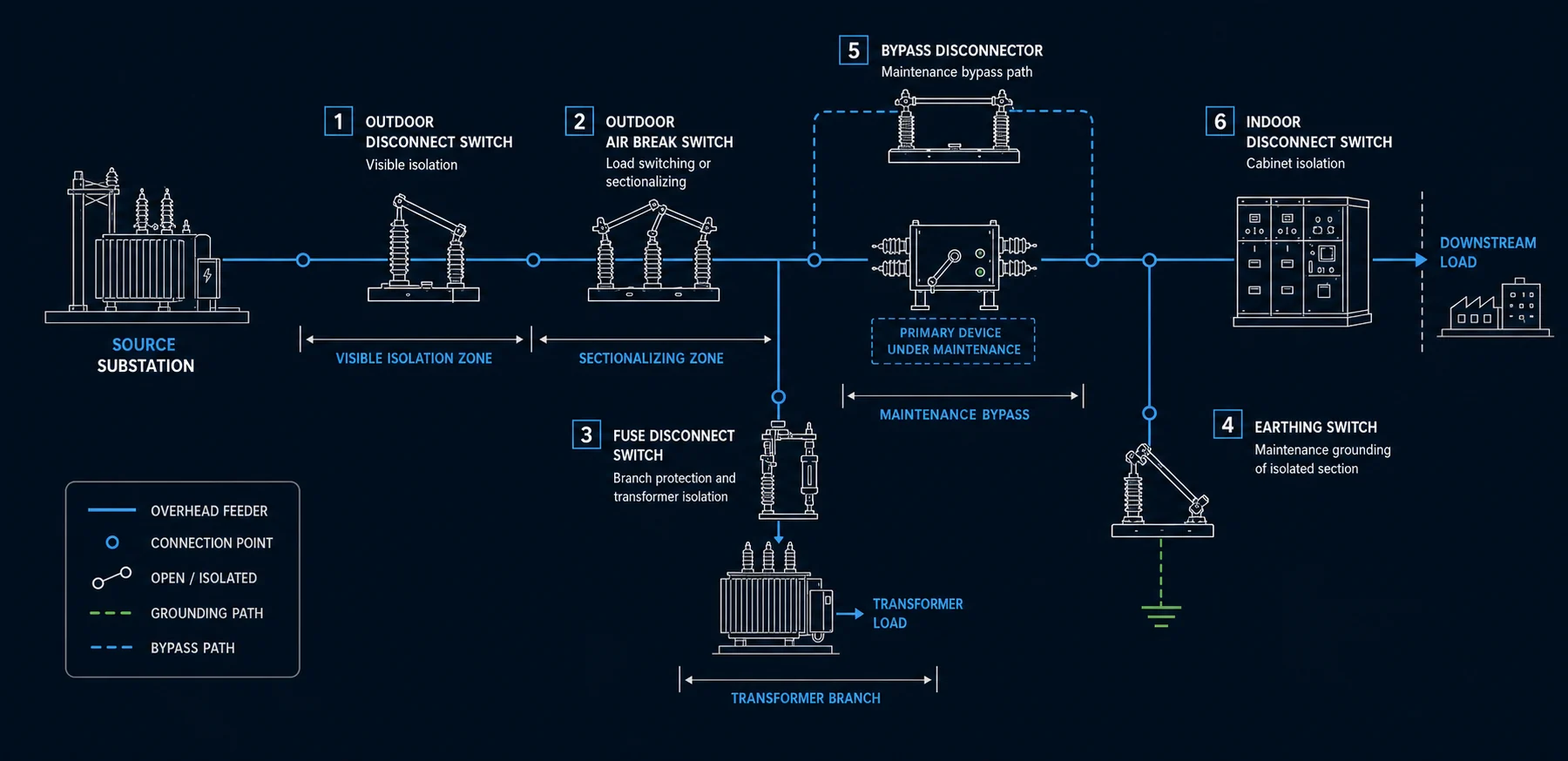
Locate the duty point first: visible isolation, load sectionalizing, transformer branch protection, maintenance bypass, grounding or cabinet isolation.
For feeder, substation or line positions where the main requirement is visible open isolation before maintenance.
For overhead distribution line points that need outdoor switching, sectionalizing or simple load-break review.
For transformer branches and feeder taps where fuse protection and visible isolation are selected together.
For bypass circuits, grounding points and cabinet isolation positions that depend on the maintenance sequence.
For disconnect switch selection, type selection is only the first layer. The quote still needs mechanism, mounting, interlock and drawing inputs before model-level confirmation.
Start with the selected switch type, then lock the operating and installation package used for drawings, packing and inspection.
Voltage, current, duty and phase structure.
Manual handle, motor drive, rod, shaft, linkage or cabinet mechanism.
Pole, crossarm, steel frame, cabinet or substation structure.
Confirm grounding, bypass and operation sequence limits.
Review terminals, spacing, operation side and installation height.
Rating pages, instruction, packing and routine test review.
Confirm voltage class, rated current, phase count, insulation material and switch structure.
State manual, motorized, handle, rod, shaft or linkage requirement according to site operation.
Provide pole, crossarm, steel structure, cabinet or substation drawing details.
Confirm earthing function, bypass circuit and operation sequence before final layout.
Confirm rating pages, drawings, instruction files, packing reference or inspection records.
Use outdoor disconnector photos, rating pages, an RH-B instruction book, bypass switch references, indoor switch data and an outdoor weatherproof switch manual to check structure, mounting and document scope before model-level approval, and check certificates, test reports and RFQ forms before sending the inquiry.
Sample room and white-background product photos show switch structures for the first comparison layer.
Instruction material supports air break and outdoor weatherproof switch document review.
Rating pages support indoor isolator, earthing switch and fuse disconnect type positioning.
Final quotation should use project voltage, duty, mounting photos, drawings, quantity and destination standard.
Use rating pages for voltage, current, insulation and product structure checks before series pages are published, then download disconnect switch catalog PDFs from the document library.
Use instruction files to separate switch body, operating handle, mounting and safety notes.
Use pole, structure, cabinet or connection drawings before confirming mounting hardware.
Use quantity, destination and inspection needs to confirm packing and document scope.
The sequence separates switching and isolation inquiries into the correct equipment type before model-level quotation.
Outdoor disconnect, air break, fuse disconnect, earthing, bypass and indoor switch disconnector decisions stay separate.
The topology section explains where each switch type sits in the switching chain.
Photos, rating pages and instruction files support the type comparison.
Use voltage, duty, drawings, quantity and destination standard before final price review.
Useful RFQ details include voltage, rated current, isolation or switching duty, fuse or grounding function, operating mechanism, mounting photos, drawings, quantity, destination country and utility standard.
Send voltage class, rated current, line position, isolation or switching duty, operating mechanism, mounting photos or drawings, quantity, destination country and any utility standard requirement.
Use an outdoor disconnect switch for visible no-load isolation after load is removed. Use an outdoor air break switch when the overhead line point also needs air-break switching or sectionalizing within the selected rating and operating method.
Use a fuse disconnect switch when fuse protection and visible isolation belong at the same transformer branch, feeder tap or outdoor line protection point. Include fuse carrier or fuse link requirements with the voltage and current class.
Select an earthing switch when the operating sequence needs a dedicated grounding point. Select a bypass disconnector when a recloser, breaker or switching device needs a service bypass circuit for maintenance.
Provide pole, crossarm, steel frame, cabinet or substation drawings when mounting height, terminal spacing, operation side, interlock position or bypass connection layout affects fit.
No. Choose the product type first, then confirm voltage, rated current, duty, operating mechanism, mounting interface and document requirements before model approval.