Quotation form
Send an inquiry
Start with the basics. Our team can follow up for missing drawings, standards or packing details.
Submitted details are used only for quotation, technical review and project communication.

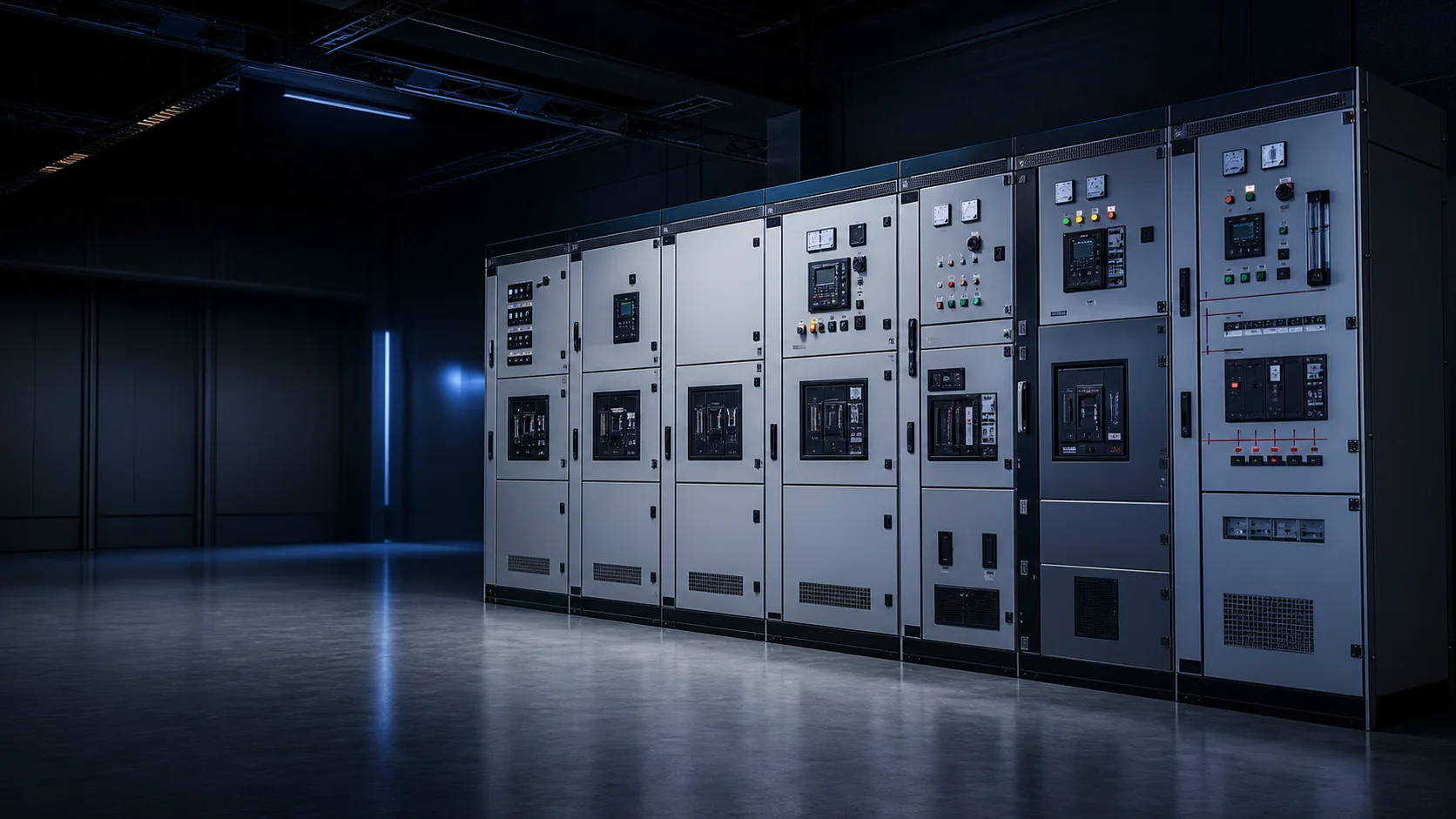
Low-voltage distribution cabinets for transformer secondary distribution, MCC feeders, APFC, lighting panels and indoor LV power rooms.
Compare MNS, GCK, GGD, GCS and support cabinets by construction, voltage class, rated current, short-circuit level, IP degree and application scope before opening the SPEC data.
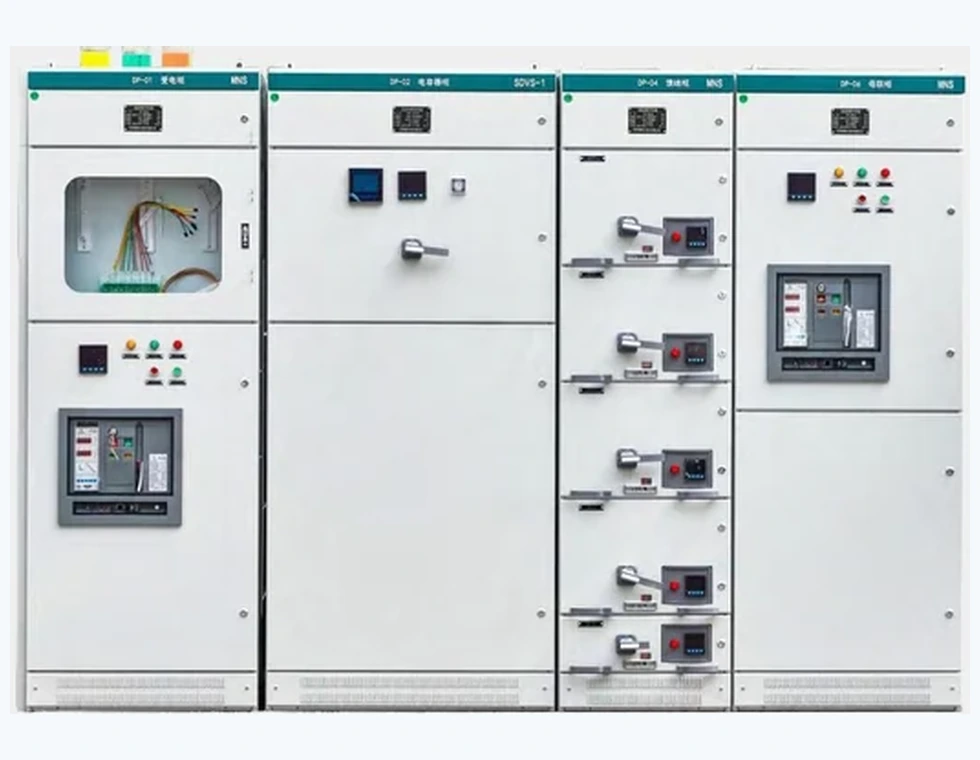
Withdrawable switchgear for distribution, conversion and control where feeder interchangeability and local, remote or automatic operation are required.
Standards include IEC439, GB/T7251.1 and GB7251.
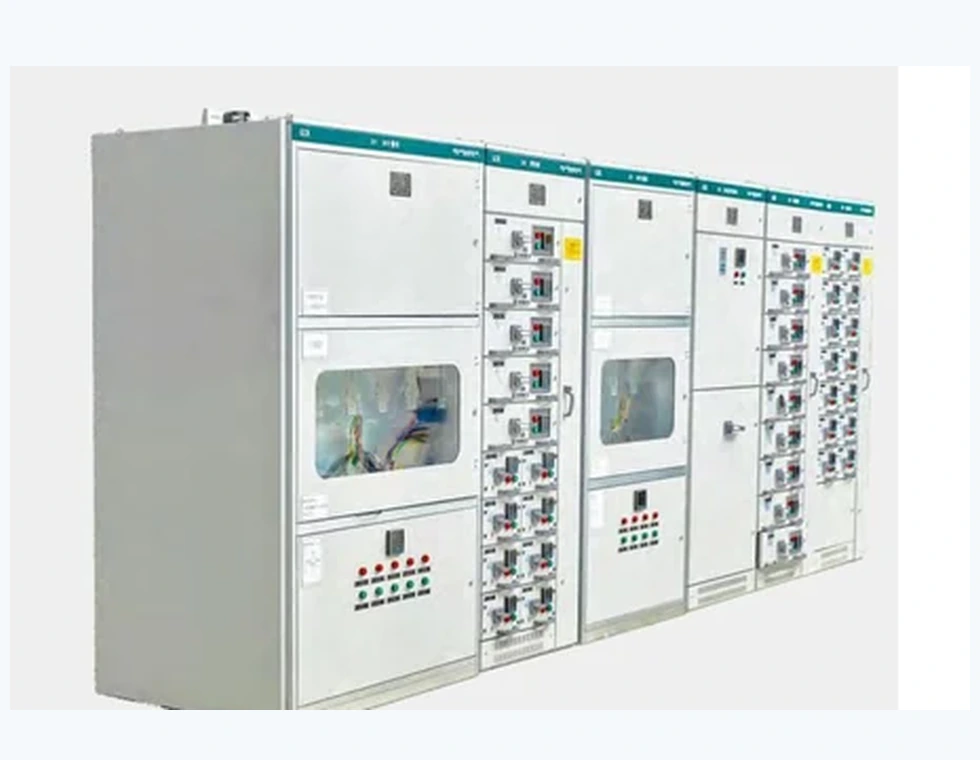
Drawer-type LV distribution and MCC switchgear for three-phase AC 50/60 Hz systems with 30-50 kA drawer breaking data and compact maintenance access.
Useful for power plants, substations, industry, hotels, airports and docks.
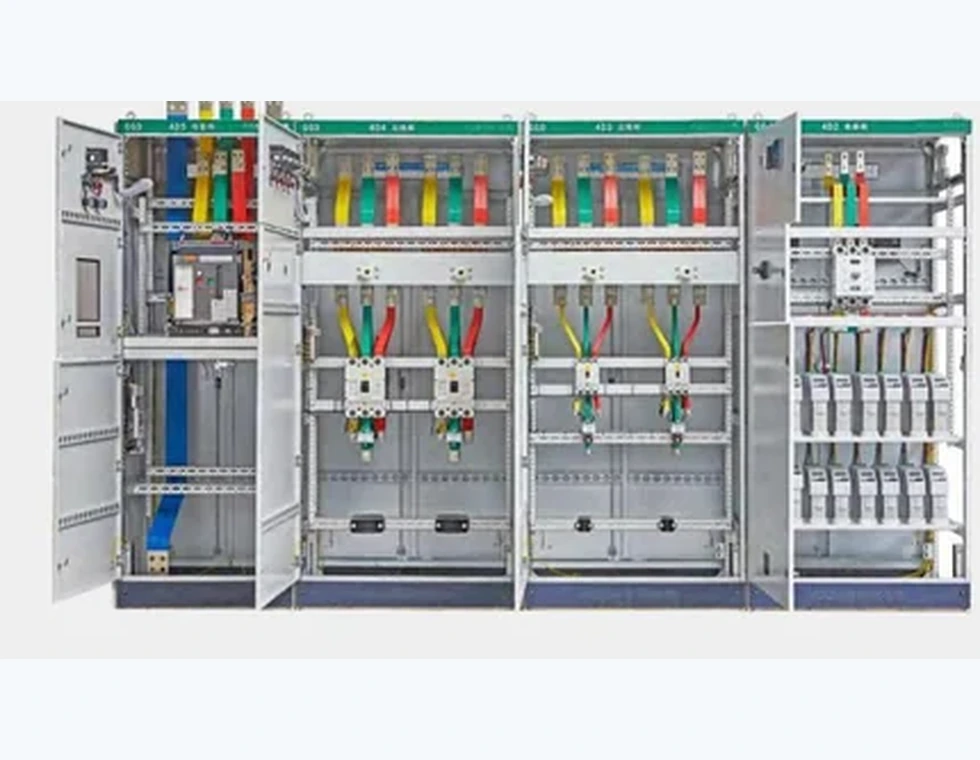
Fixed-type switchgear for power conversion, distribution and control where simple operation and a fixed outgoing board fit the LV room.
Built around al-zinc steel sheet, indoor installation and fixed-board maintenance planning.
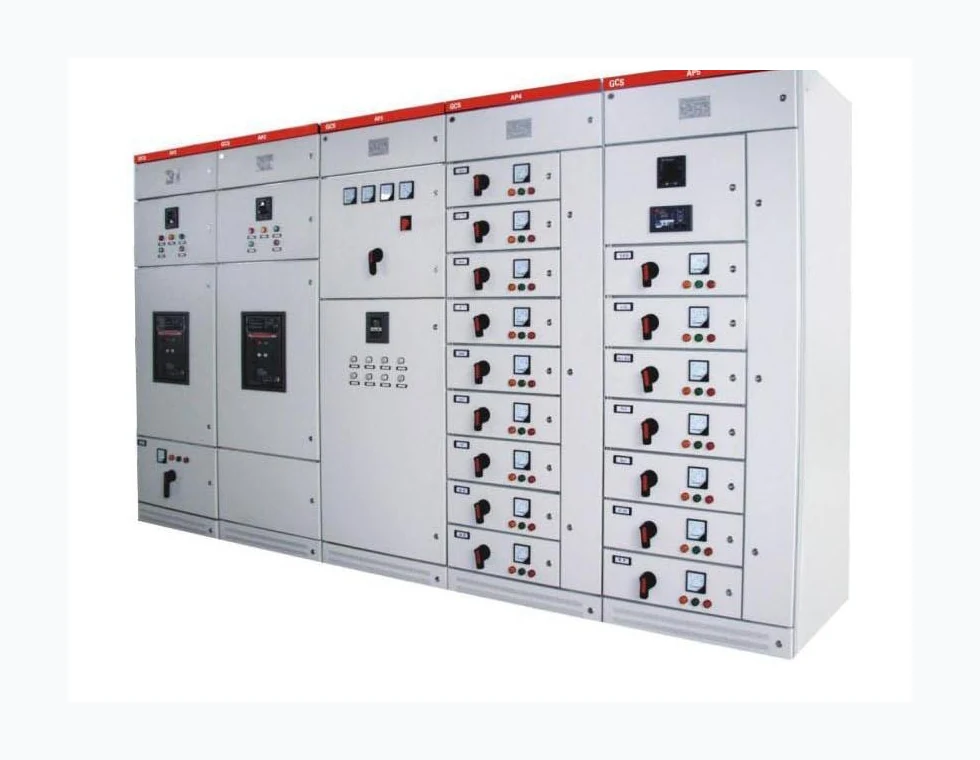
Withdrawable LV switchgear with flexible scheme, functional-unit interchangeability and MCC feeder data.
Includes three-phase four-wire and five-wire busbar references.
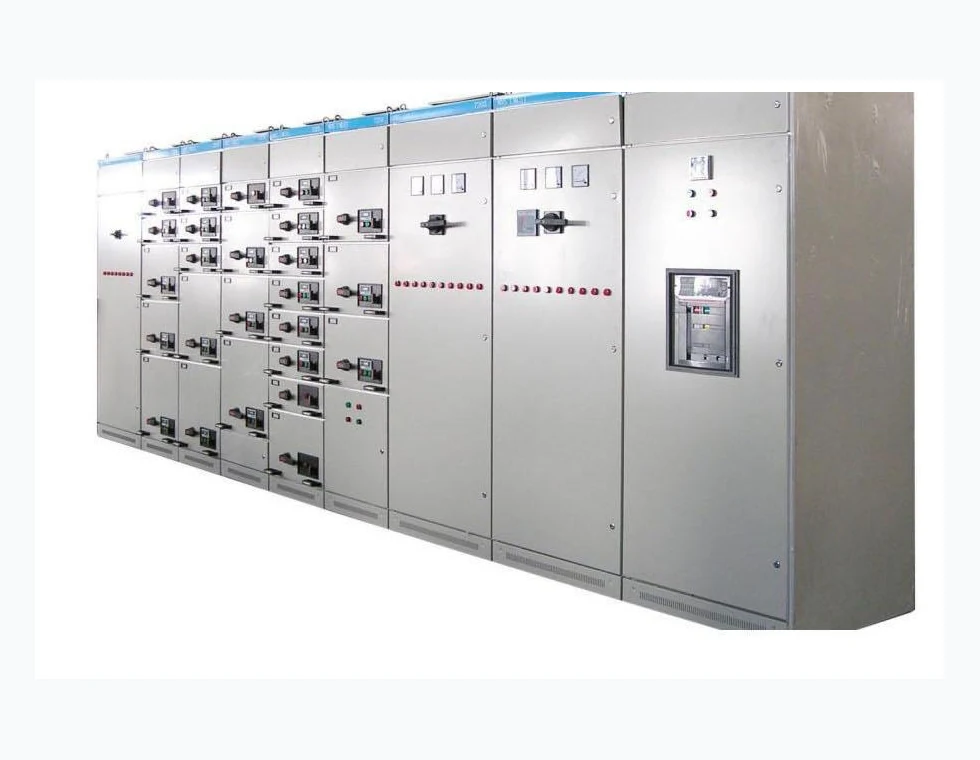
Withdrawable switchgear for power supply, distribution, conversion, control and reactive power compensation support.
Standards include GB7251.1, GB7251.12, JB/T9661, IEC60439-1 and BS EN60439-1.
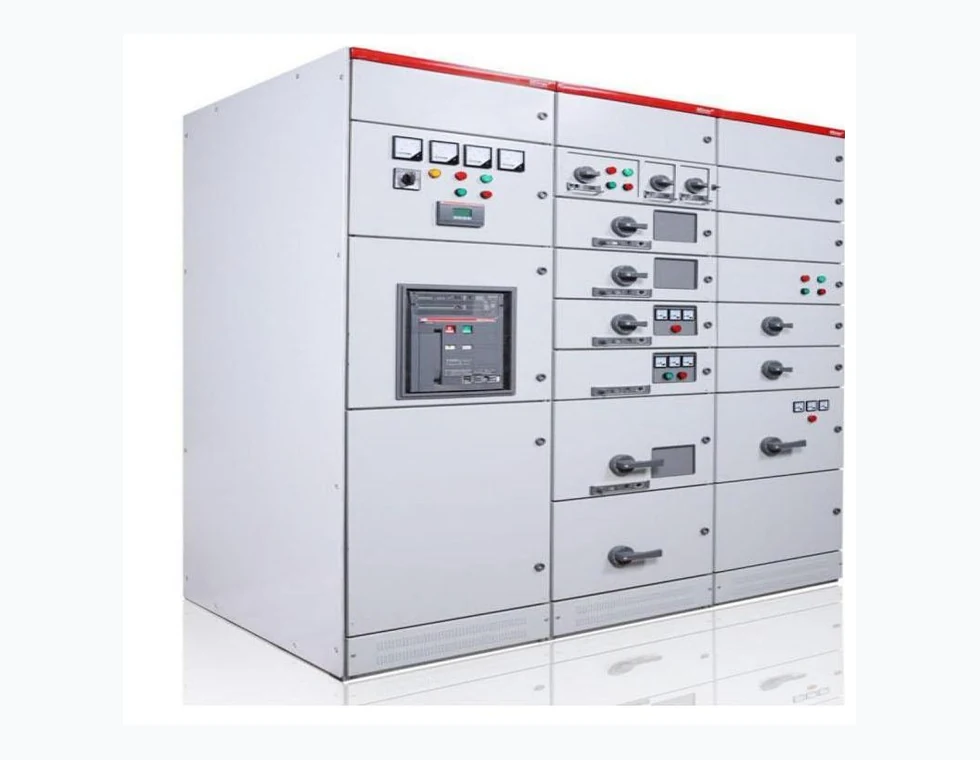
Withdrawable switchgear using aluminium-zinc coated plate double-folding frame technology for higher busbar withstand requirements.
Supports drawer, movable and insert functional units, with up to 36 drawer loops.
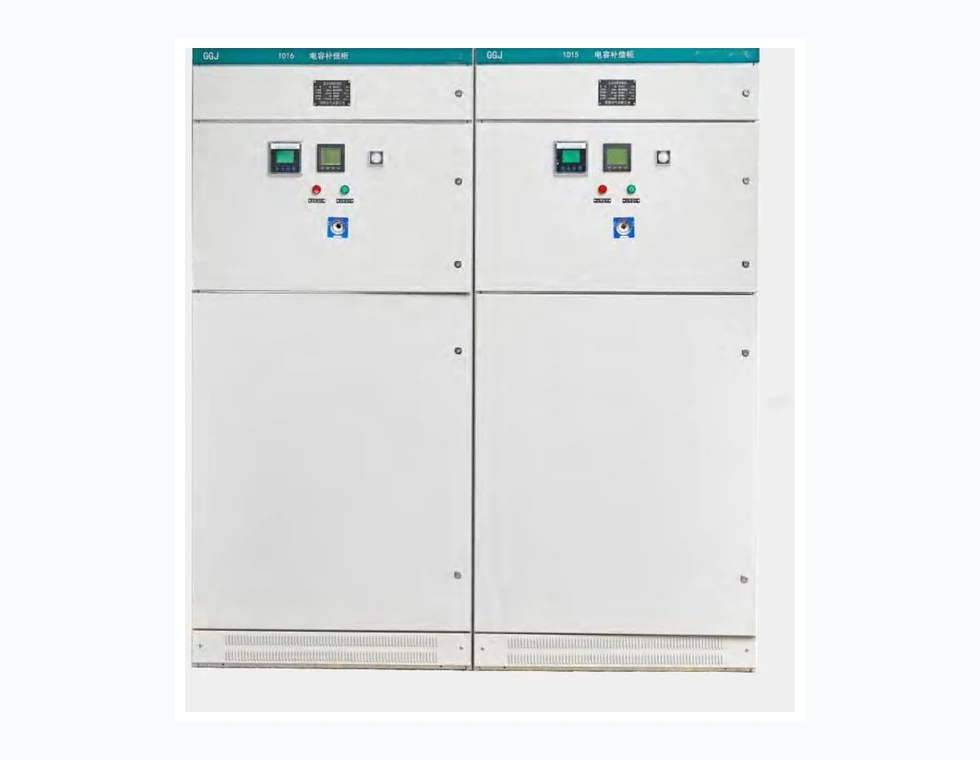
Low-voltage APFC cabinet for improving power factor and power quality when compensation belongs in the LV scope.
Supports RS-232/485, wireless or GPRS communication and zero-crossing switching.
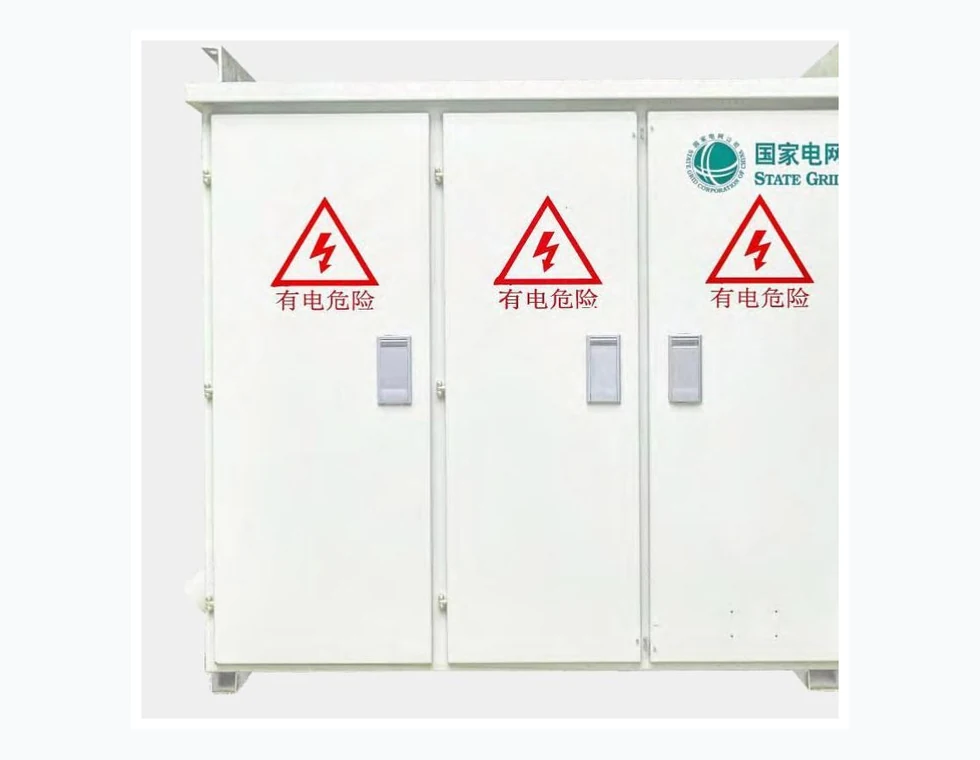
Outdoor integrated distribution box for pole transformer secondary distribution, urban grid renovation and rural grid renovation.
Includes metering, reactive power compensation, distribution and leakage protection scope.
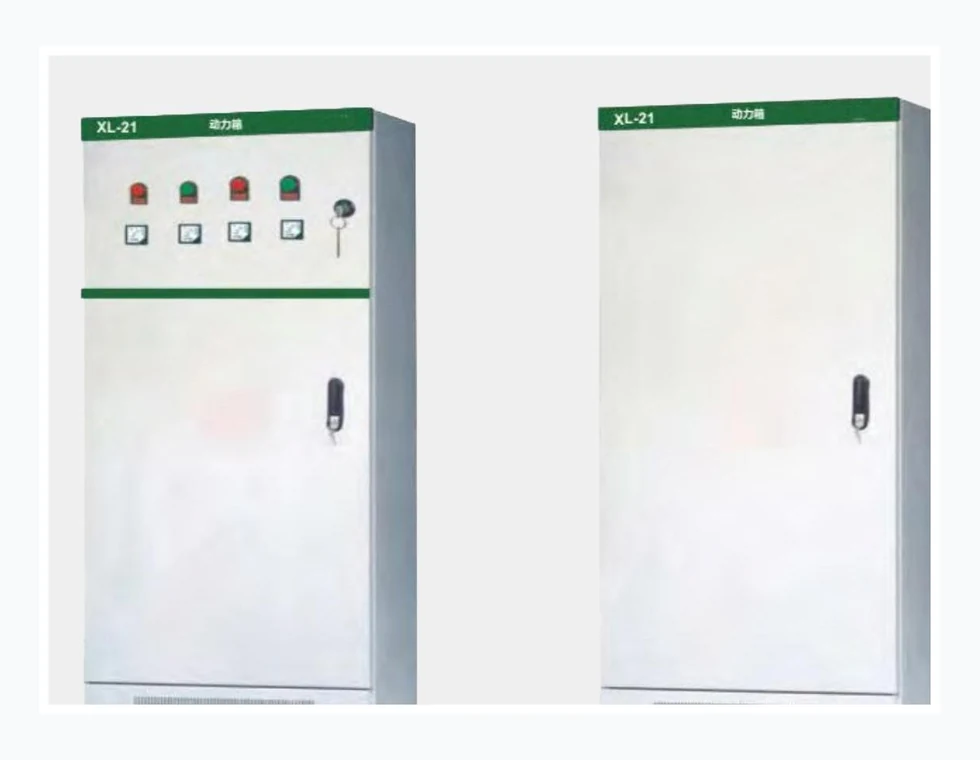
Enclosed low-voltage power panel for distribution, lighting distribution and industrial or mining motor-control work.
Includes 2500 V / 1 min power-frequency withstand and 16/31.5/40.5 kA breaking reference.
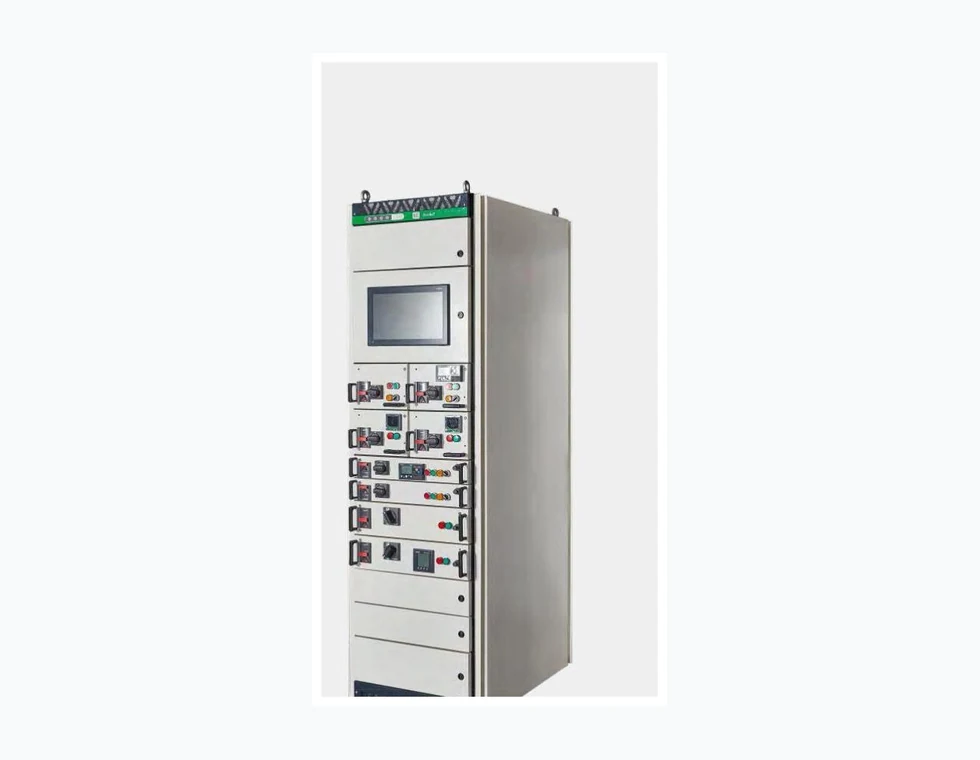
Modular LV switchgear for distribution systems and motor protection using standardized prefabricated cabinet modules.
Use as a support option when modular withdrawable or fixed LV cabinet construction is requested.
Check voltage class, transformer capacity, incoming ACB or MCCB rating and main current before selecting the cabinet series.
Match the available fault current with switchgear short-time withstand, peak withstand and breaker interrupting ratings.
Confirm horizontal and vertical busbar current, bus bridge or bus duct need, and any derating from the selected cabinet arrangement.
List outgoing circuit ratings, motor-control loads, spare ways, MCCB, ACB or fuse package, and selectivity requirements.
Choose drawer MCC, fixed board, APFC, metering panel or JP outdoor box after the electrical duty is clear.
Confirm cable entry, trench position, cable size, rear access, busbar connection and door clearance before layout work.
Match the cabinet to the installation environment before final layout. Indoor LV rooms, outdoor transformer secondary boxes, APFC sections and enclosed panels use different access, protection and ambient limits.
Use MNS, GCK, GGD, GCS, MLS-V, Mdmax ST or Blockset for transformer secondary distribution, MCC feeders and indoor power rooms.
Use JP outdoor distribution boxes where metering, reactive compensation, outgoing distribution and leakage protection are required near the transformer.
Use GGJ or metering panels when the LV system needs reactive compensation, CT metering, communication or power-factor control.
Use XL-21 where the project needs an enclosed power panel, lighting distribution board or smaller motor-control panel instead of a full LV lineup.
After the cabinet series and ratings are fixed, align the drawings, routine verification and packing details that control production release and shipment. For broader LV cabinet file review, download low-voltage distribution cabinet catalog PDFs.
Overall dimensions, cabinet lineup, cable entry direction, busbar position, room clearance and section split.
Incoming and outgoing circuit devices, metering, APFC, auxiliary control, terminal wiring and communication interface.
Degree of protection, internal wiring, protective circuit, dielectric check, mechanical operation, interlock and nameplate consistency.
Cabinet split, lifting point, moisture protection, packing marks, pallet or wooden-case method and destination standard.
It distributes transformer secondary power to LV feeders, MCC loads, APFC sections, lighting panels and indoor or outdoor distribution points.
Use drawer cabinets such as MNS, GCK or GCS for interchangeable feeder units and MCC maintenance. Use fixed cabinets such as GGD when the circuit plan is stable.
Send the SLD, rated voltage, rated current, short-circuit level, busbar current, outgoing circuit list, cable entry and preferred cabinet construction.
Yes. Include GGJ, JP, XL-21 or metering panels when they belong to the same transformer secondary system or LV outgoing circuit list.
Send the SLD, rated voltage, rated current, short-circuit level, outgoing circuit list, cabinet quantity and destination standard. XIYA POWER will confirm the series, drawing scope and packing requirement. For procurement review, check certificates, test reports and RFQ forms.