Quotation form
Send an inquiry
Start with the basics. Our team can follow up for missing drawings, standards or packing details.
Submitted details are used only for quotation, technical review and project communication.

Compare four practical configurations for visible no-load isolation: standard RH-B gang ABS, arc-chute hardware, fuse-linked structure and RLND weatherproof grounding-knife duty. Check the switching role, voltage class, operation method and technical parameters before selecting a model.
Start with the hardware package the line point needs: standard RH-B visible isolation, arc-chute hardware, fuse-linked protection review or RLND weatherproof grounding-knife duty. This split keeps the selection focused on duty, rating and mounting inputs.
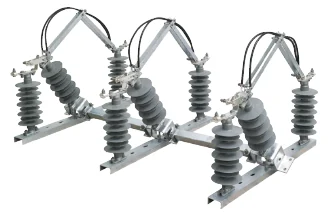
Standard RH-B three phase outdoor gang air break switch for visible no-load switching on 50/60 Hz distribution circuits.
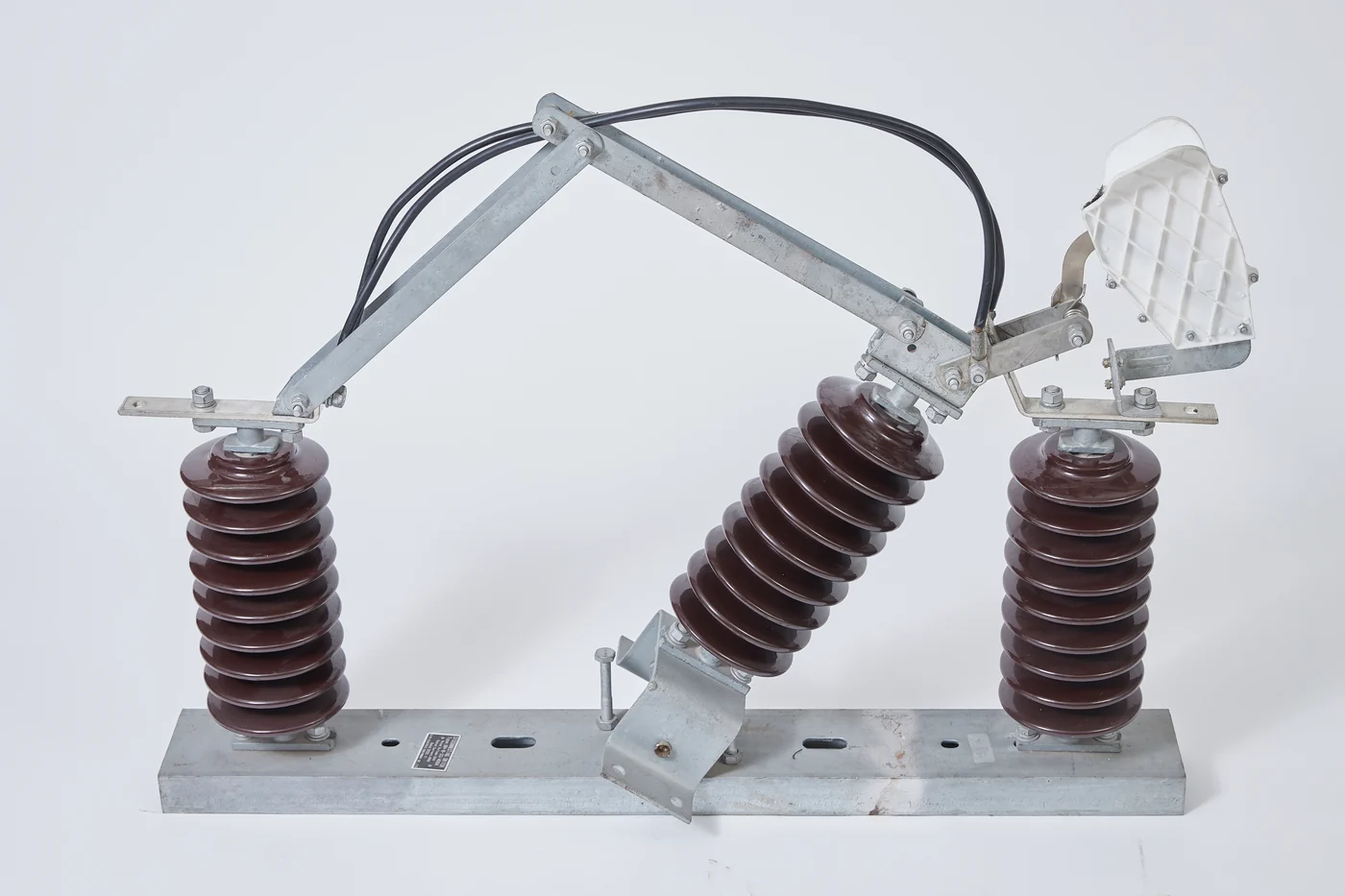
ABS configuration with visible arc chute hardware for projects that need contact-side and arc-control confirmation.
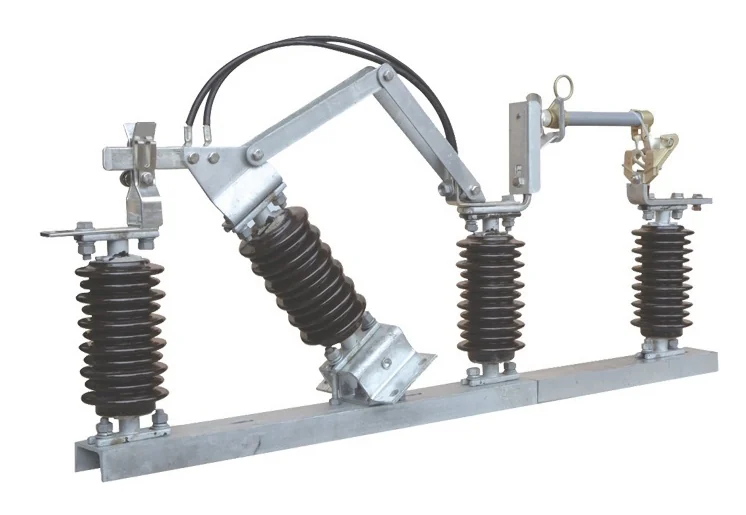
Fuse-linked ABS configuration for projects where visible isolation and fuse protection must be reviewed together.
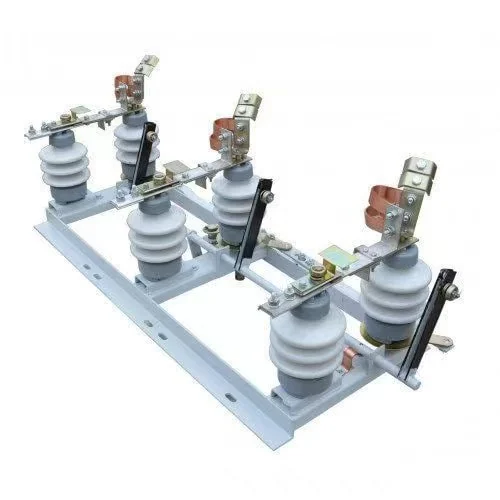
RLND outdoor two-column disconnector with grounding knife option for weather-exposed 10 kV line or substation use.
Outdoor air break switch selection starts with the line role: a visible feeder open point, an arc-chute hardware option, a fuse-protection boundary or a weatherproof disconnector with grounding knife.
Use the air break switch as a visible isolation or sectionalizing point. If the line needs load breaking, fault interruption or automatic reclosing, confirm the upstream breaker, recloser or fuse package before selecting this switch.
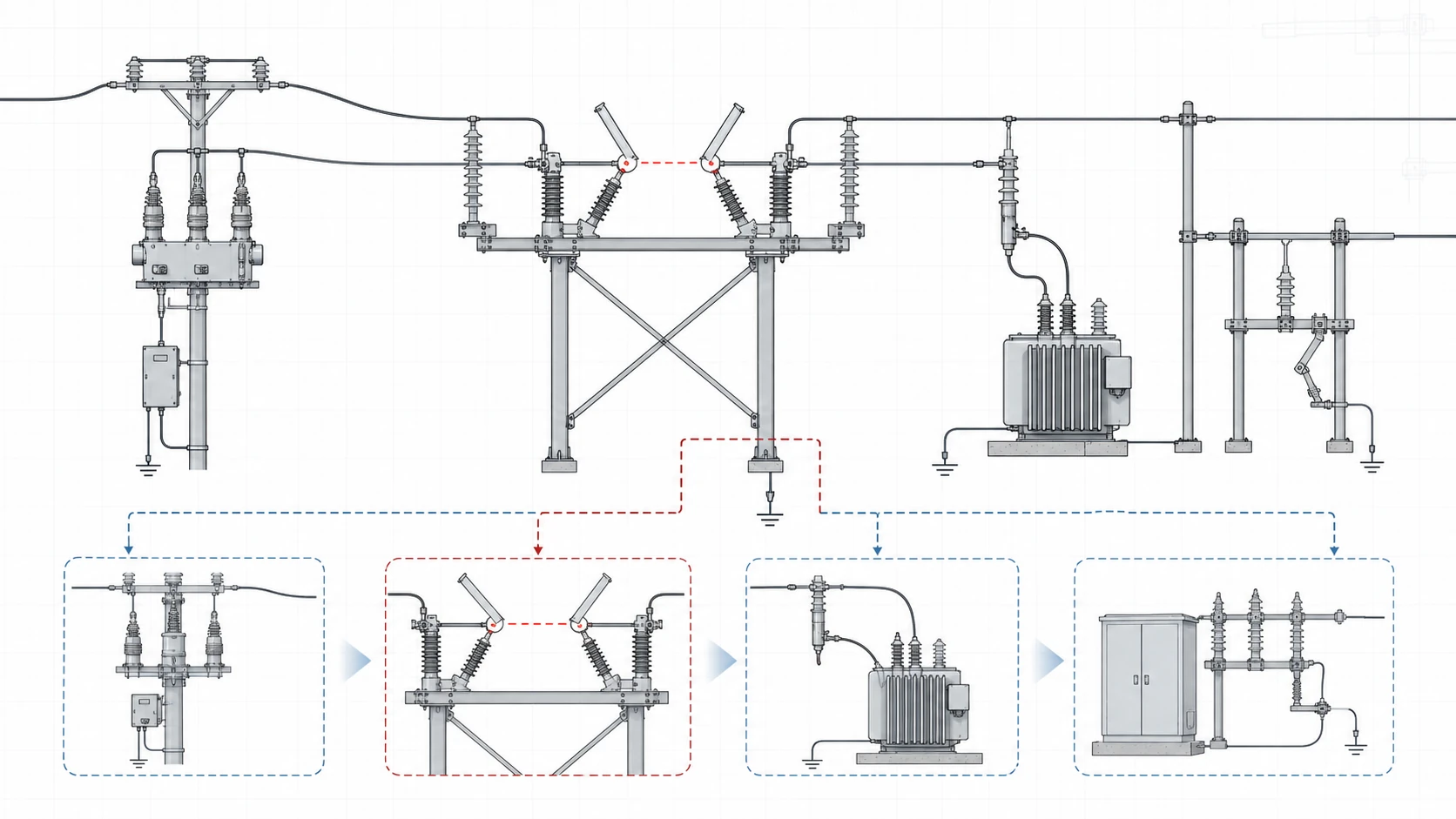
Use RH-B air break switches for visible open points on 11/24/33 kV overhead distribution circuits after no-load duty is confirmed.
Use RLND when the project needs a 10/12 kV outdoor disconnector, grounding knife and interlock context near a compact substation or input cabinet.
When fuse protection drives the selection, confirm fuse carrier and fuse-link details before treating the air break switch as the final selected configuration.
Use this compressed view to match each configuration to its application point, visible structure and engineering data.
Use the structure signal to separate isolation, arc-control, fuse-protection and grounding-knife duty before narrowing the model.
Use this configuration when the project needs a clear open point on an overhead feeder after no-load duty is confirmed.
Keep this as a hardware confirmation point, not a separate rating class, unless a project data sheet says otherwise.
Use this configuration only when visible isolation and fuse protection need to be reviewed together at the same line point.
Use RLND when the selection depends on outdoor 10/12 kV weatherproof disconnector duty and grounding interlock.
After the switching role is clear, confirm the rating, operation package and hardware option that change the final switch configuration.
The RH-B document lists 11 kV, 24 kV and 33 kV rated voltage, up to 36 kV maximum voltage, and porcelain or polymer insulator options.
The RLND specification adds grounding knife and interlock context for outdoor 10 kV applications with 400 A or 630 A rated current.
Use four data groups to confirm the switch configuration before reviewing photos, drawings or mounting details, then download air break switch catalog PDFs for broader document review.
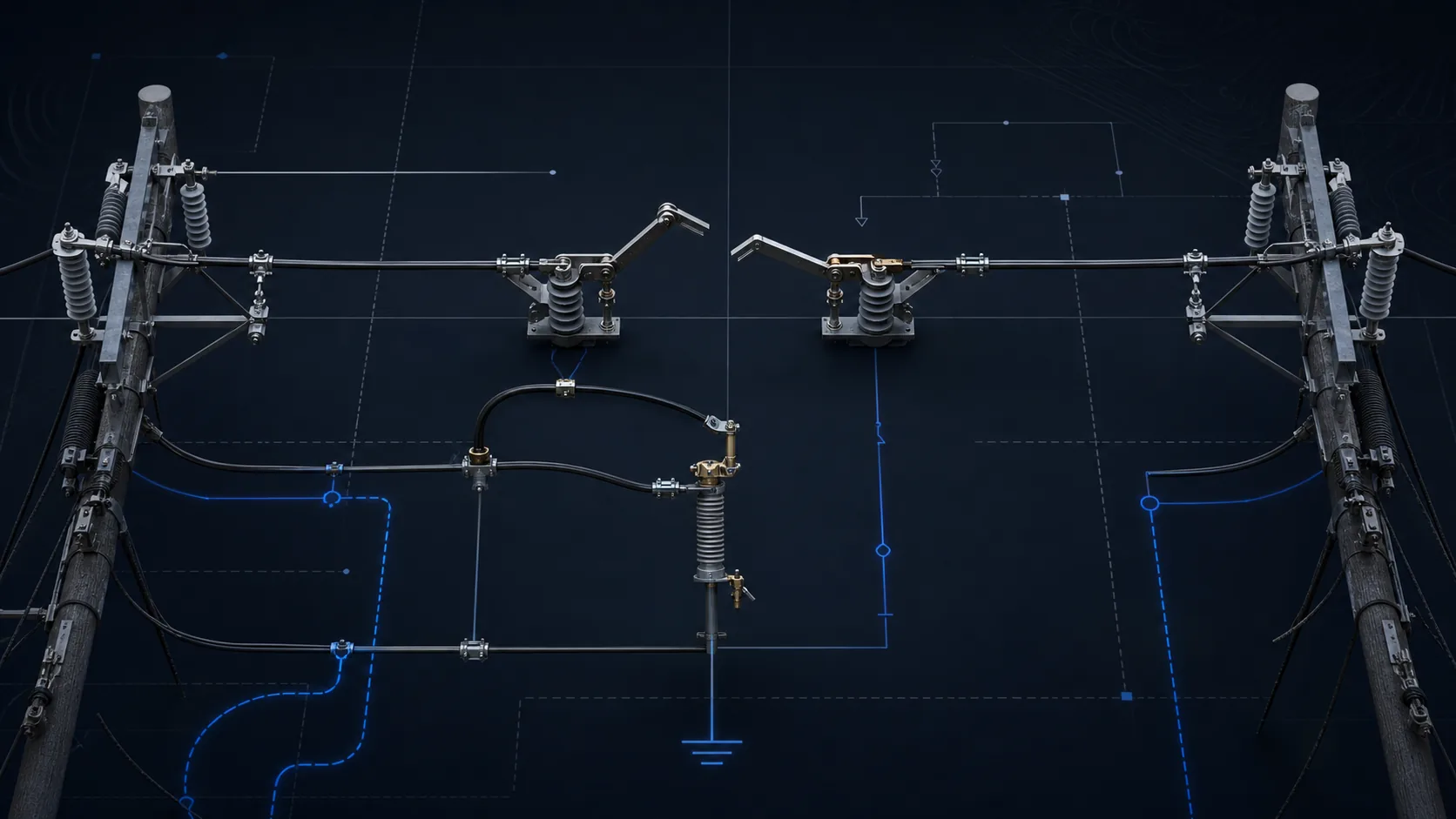
Short fields for checking the selected configuration against the actual line point; check certificates, test reports and RFQ forms before procurement review.
Confirm voltage, current, frequency, insulator material, operation method, mounting and the required arc, fuse or grounding option.
The RH-B document defines no-load switching; load current or fault duty should be checked against protection equipment first.
Use RLND for 10/12 kV weatherproof disconnector duty with grounding knife; use RH-B for 11/24/33 kV gang air break isolation.
Keep it here when visible air break isolation leads; compare fuse disconnect switches when fuse protection leads.
Start with configuration, rating, operation and mounting. Compare adjacent pages only when the duty moves to disconnect-only or fuse-protection equipment.