Quotation form
Send an inquiry
Start with the basics. Our team can follow up for missing drawings, standards or packing details.
Submitted details are used only for quotation, technical review and project communication.

Indoor disconnect switches are selected after the cabinet function is clear: no-load isolation, wall-through interface, bottom-outlet layout or three-position interlock. Compare GN19, GN27, GN30 and GN38 types by voltage class, current row, withstand duty, operating side and panel drawing.
Start with the cabinet function. GN19 and GN27 are voltage-class isolating rows, GN30 handles rotary wall-through or bottom-outlet cabinet interfaces, and GN38 is reviewed as a three-position interlock type.
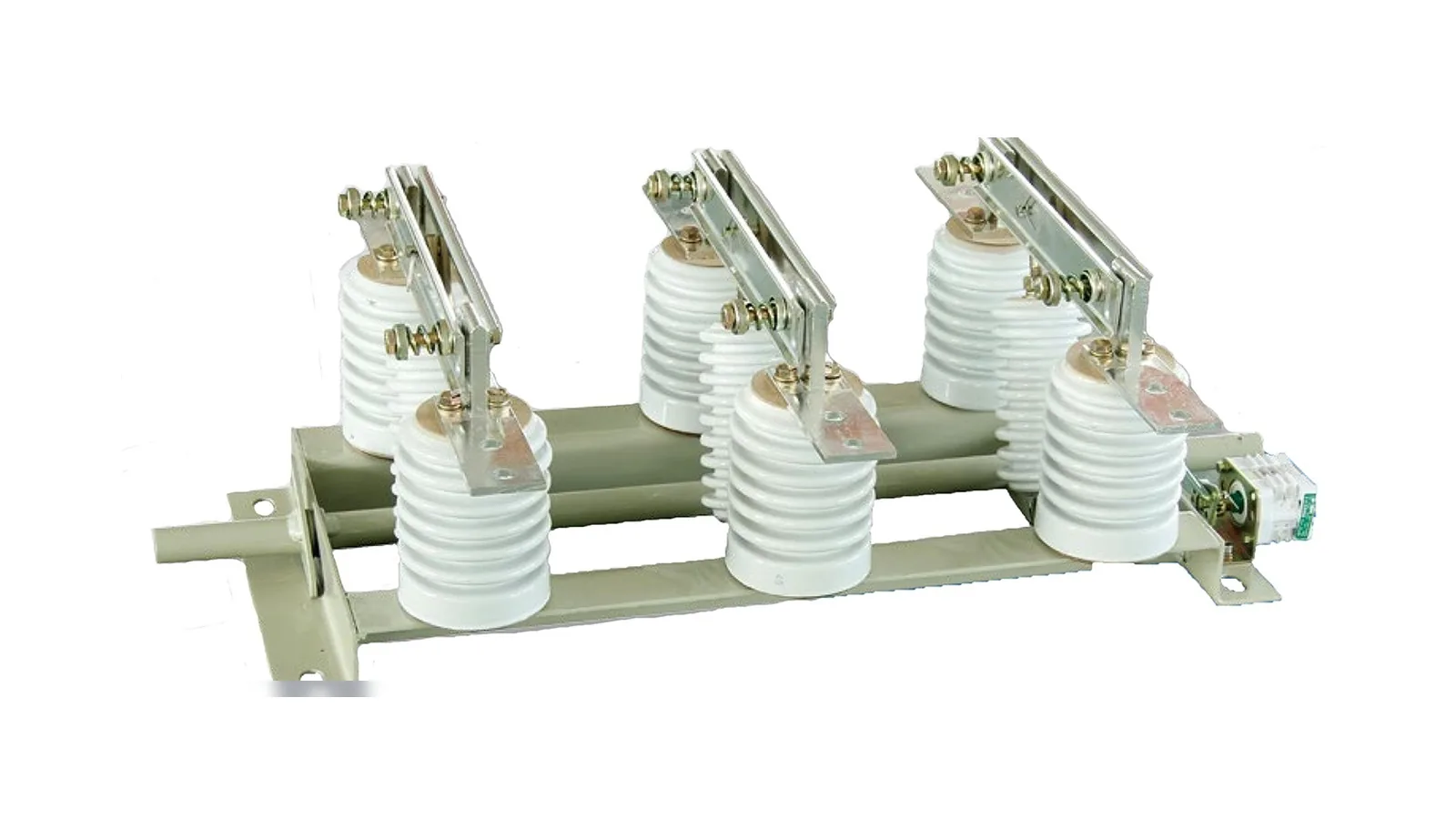
Indoor no-load isolating switch type for 12 kV switchgear where current row, withstand row and through-wall variant need confirmation.
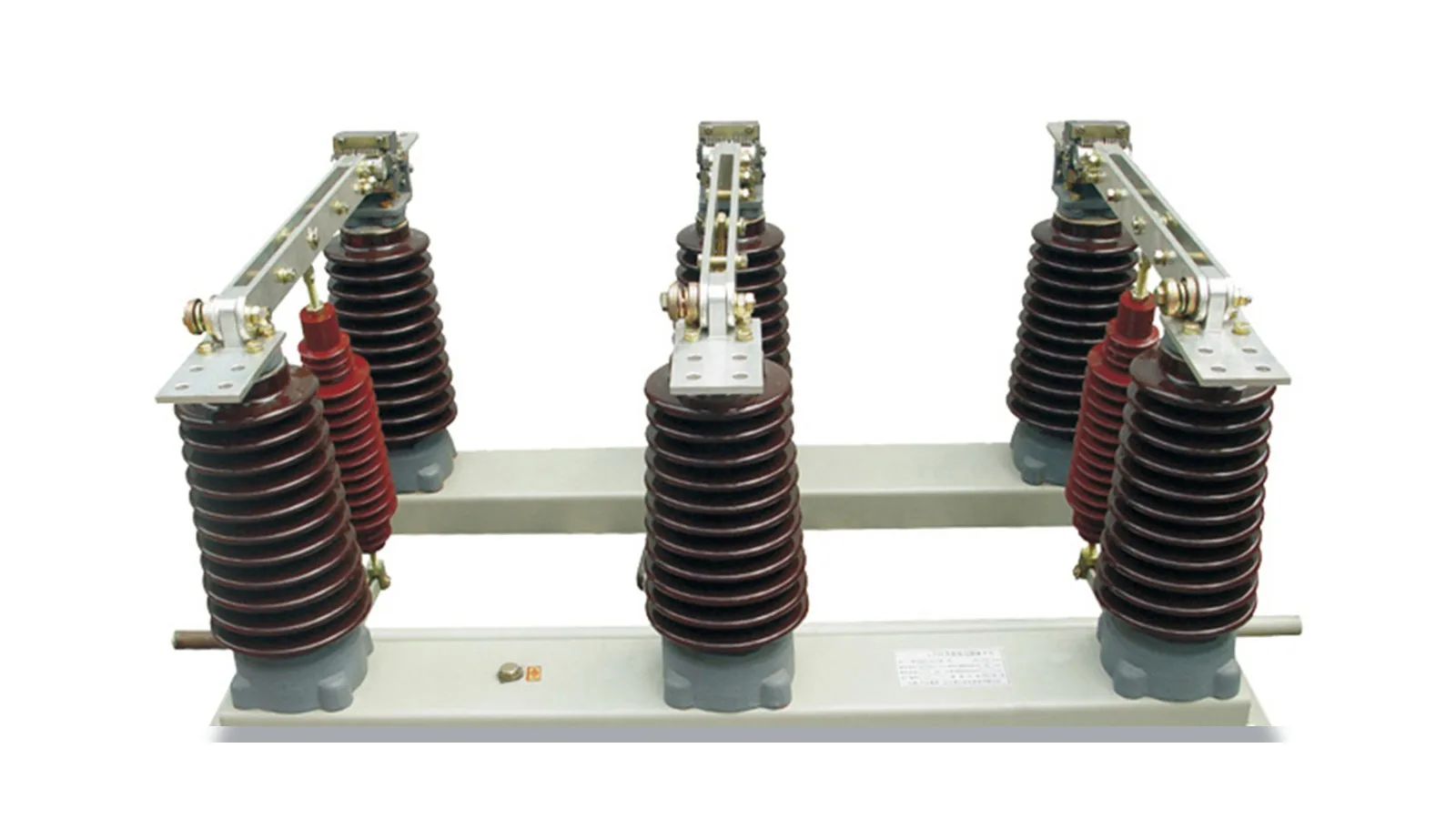
Higher-voltage indoor isolating switch type for 40.5 kV switchgear where 630 A or 1250 A rows and 20 kA or 31.5 kA duty must be separated.
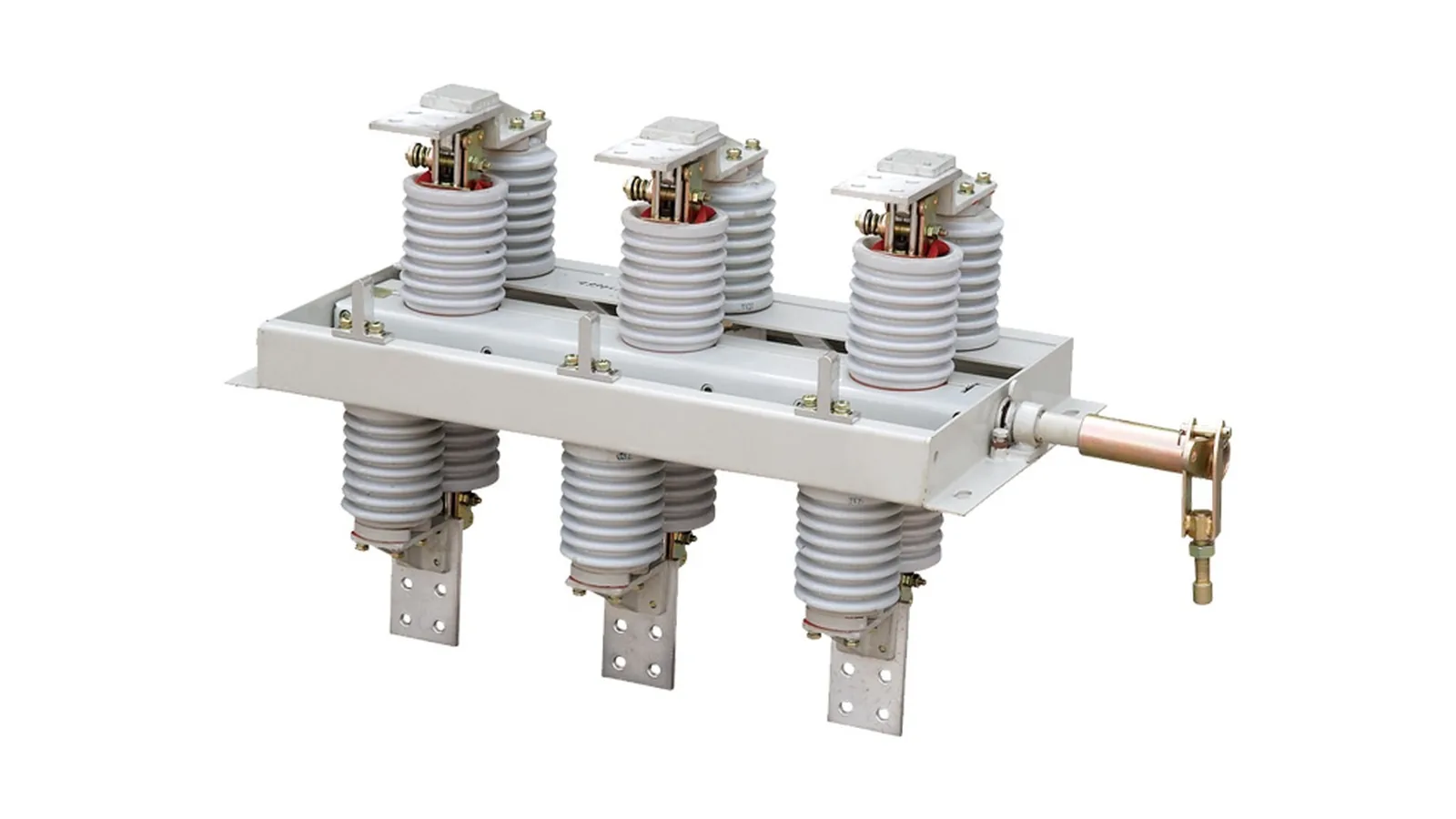
Double-insulated wall-through switch configuration where the disconnect body, bushings, shaft side and panel opening are checked together.
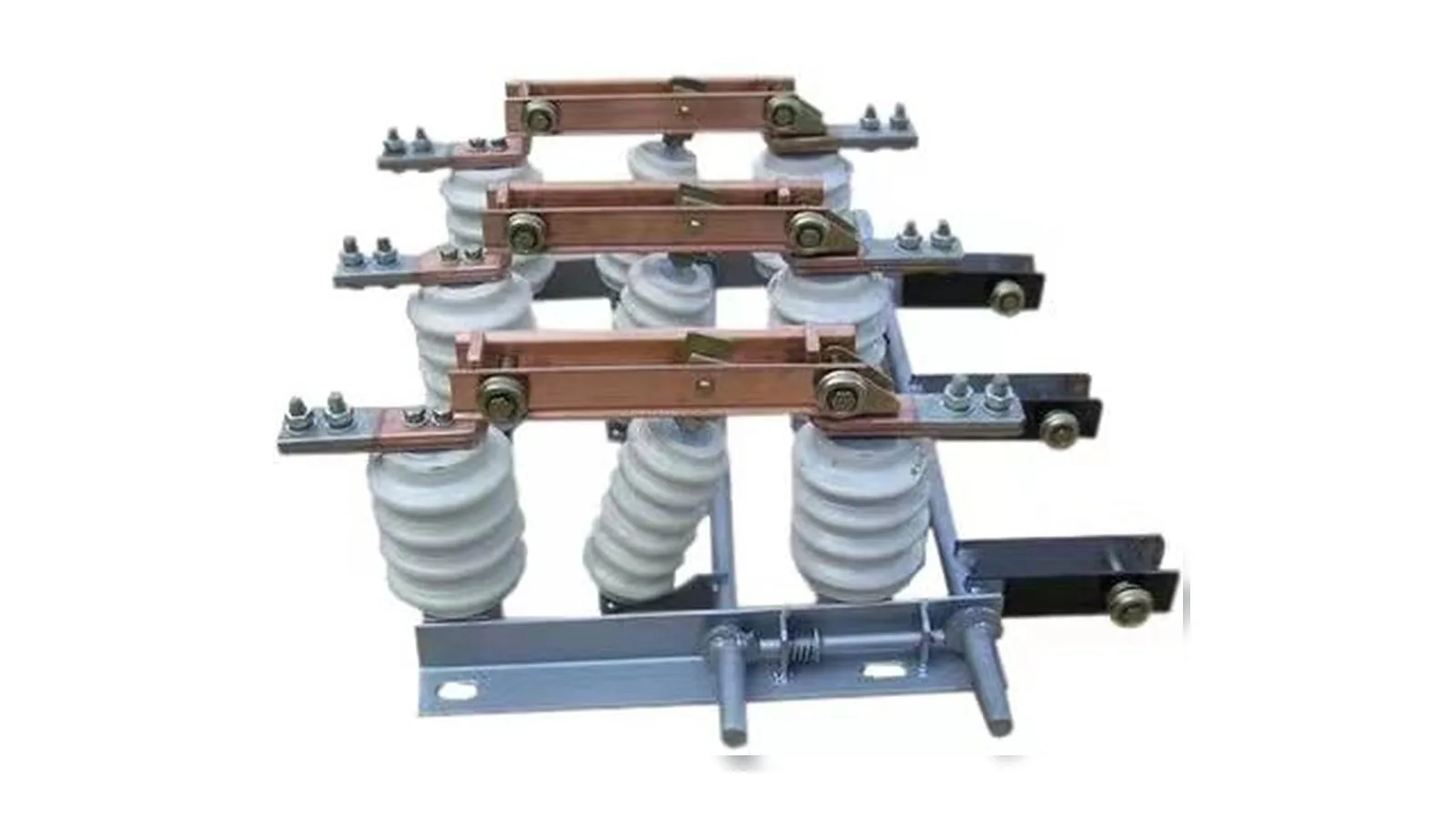
Double-insulated bottom-outlet configuration for compact cabinet layouts where the lower terminal direction and operating shaft boundary drive fit.
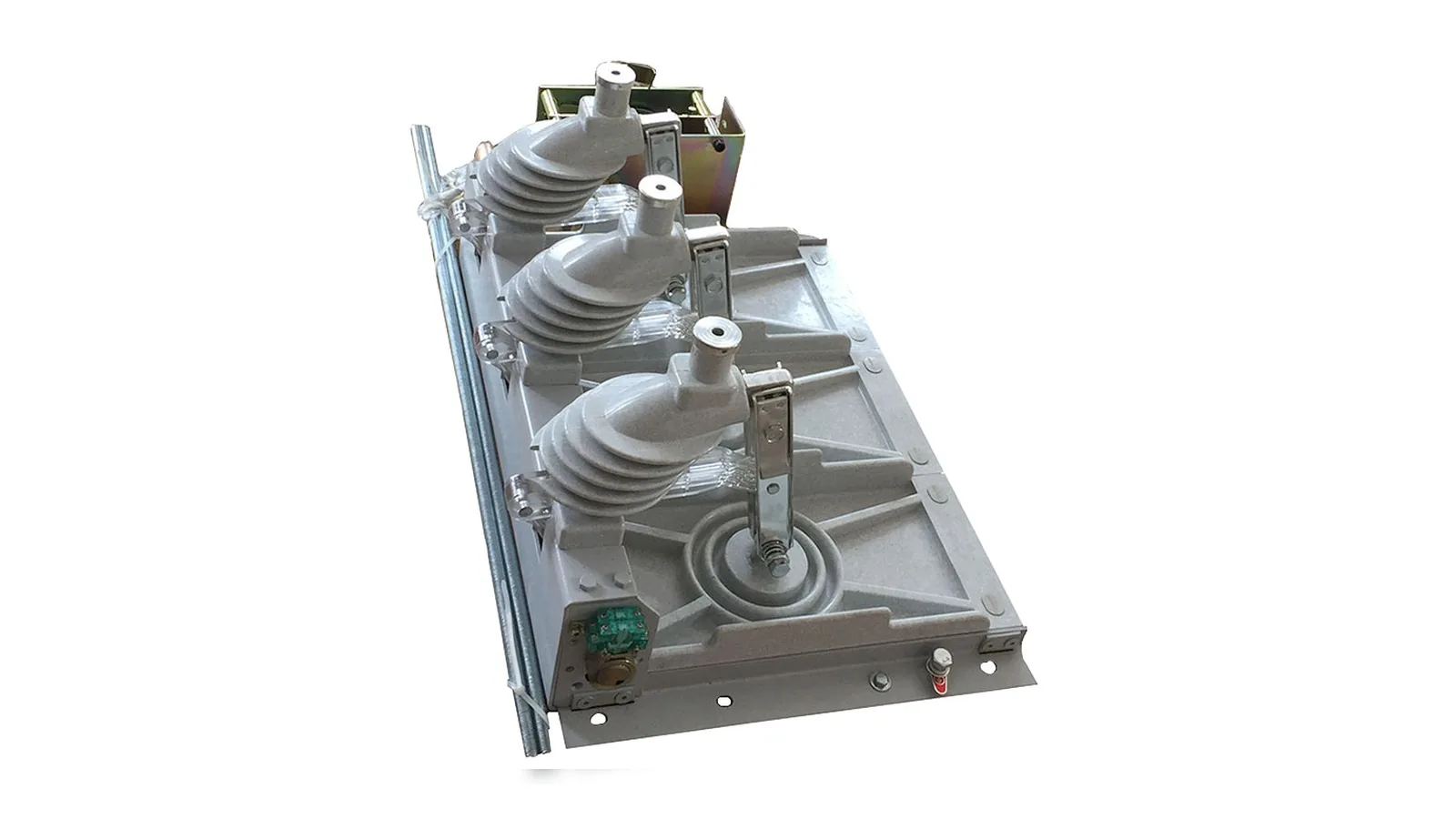
Indoor three-position isolator type for compact switchgear where disconnect, isolated and grounding states must be reviewed with the interlock sequence.
Use rating rows for GN19, GN27 and GN30 ratings, clean product images for product identity, and the GN38 technical page only within its stated 12 kV three-position boundary.
Indoor disconnect selection belongs inside the panel boundary. The cabinet drawing decides the isolation position, outlet direction, operating shaft and interlock sequence.
Check the incoming busbar, disconnect position, outgoing cable or busbar, optional grounding state and mechanical handle before choosing the product type.
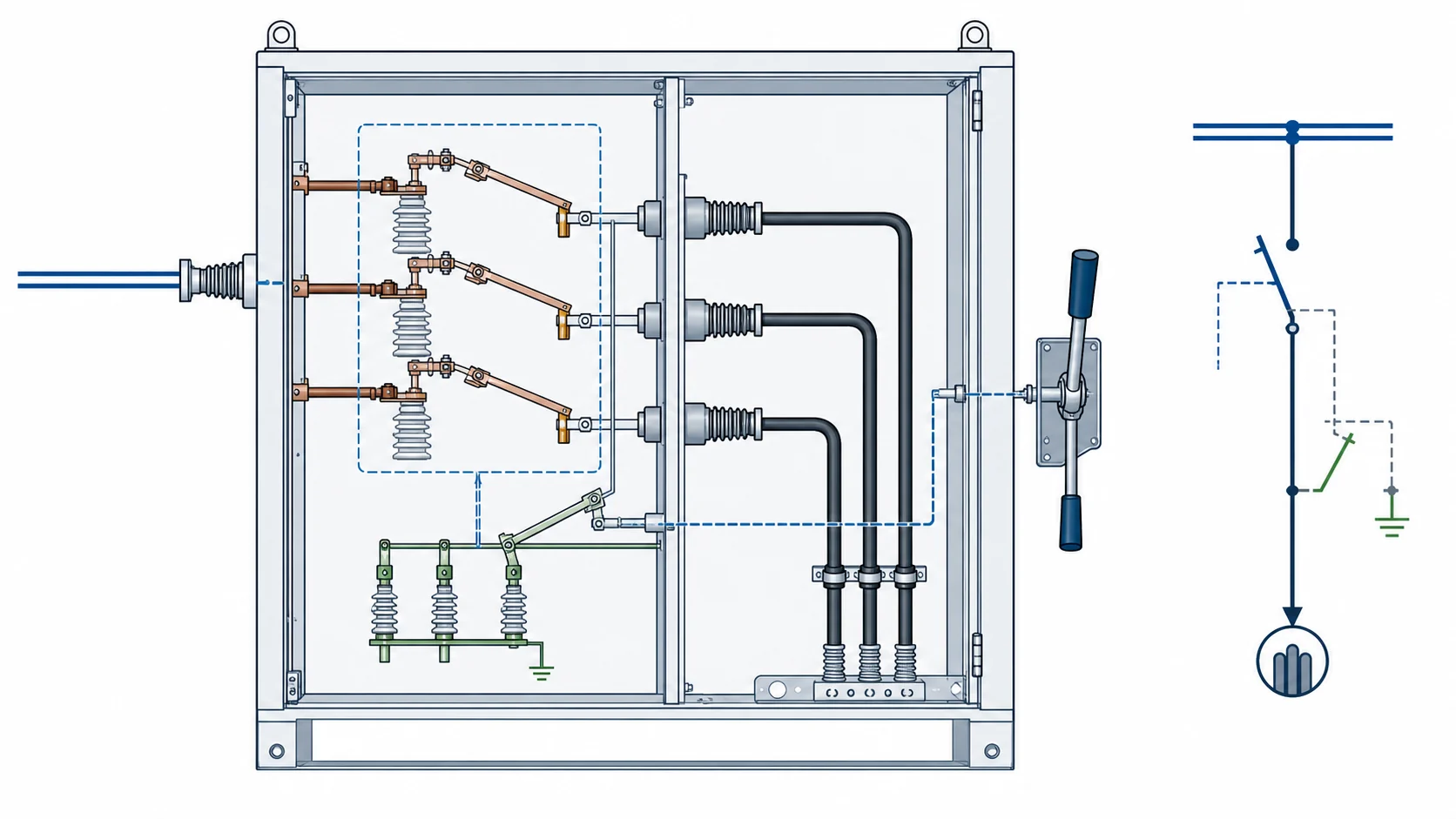
Voltage and current rows must match the cabinet busbar and downstream feeder.
Use the drawing to check shaft position, access door interlock and safe operating sequence.
Do not assume grounding function from a product photo. Confirm the model code and interlock logic.
Use the matrix to separate voltage class, cabinet interface and drawing inputs before choosing a product type.
After the product type is selected, confirm the moving blade, fixed contact, insulator class, shaft direction and terminal interface.
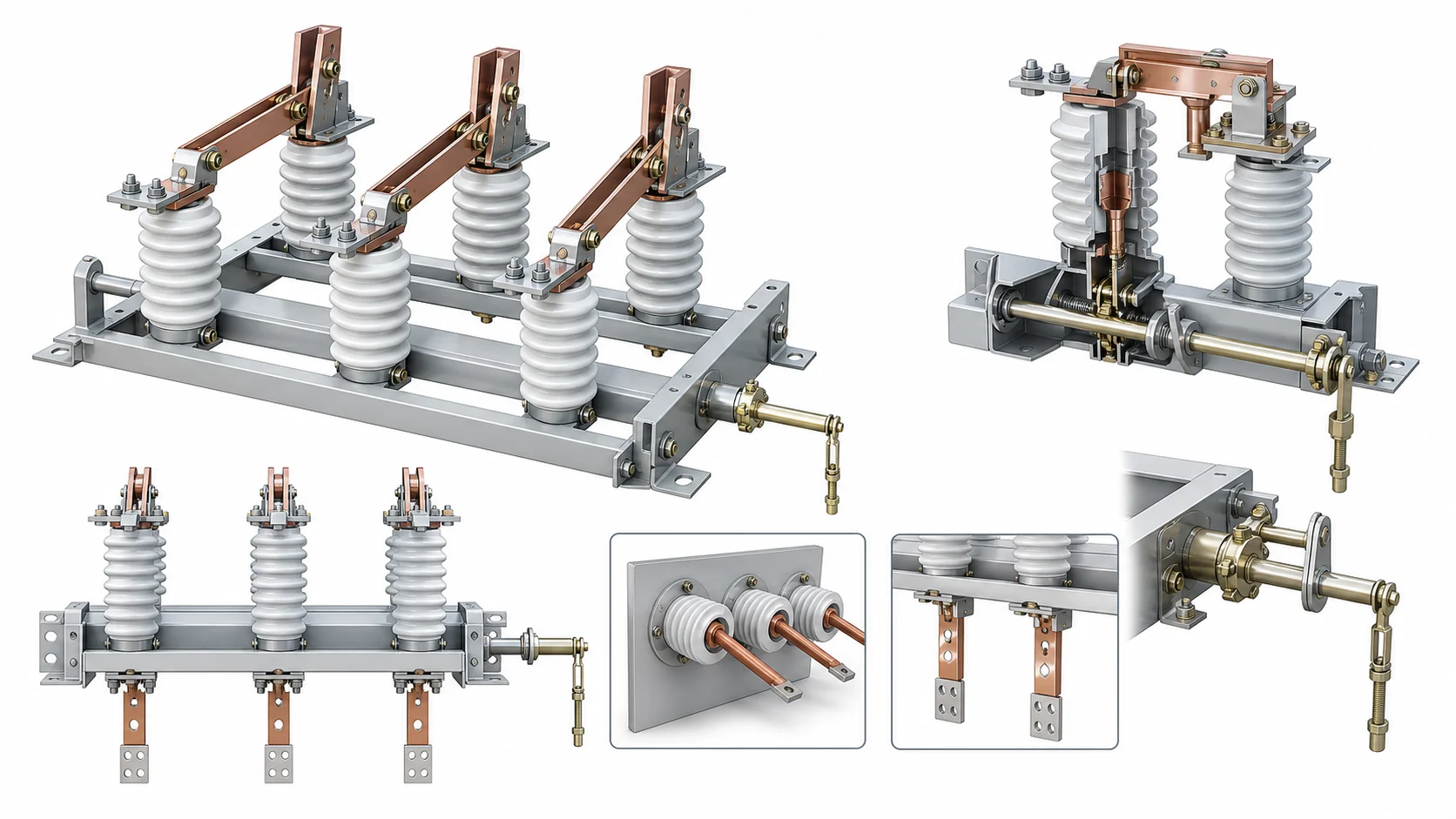
Use these four checks before the model is released.
Keep rating rows, cabinet interface and photo-only evidence separate. Do not copy dimensions or ratings across GN19, GN27, GN30 and GN38 types.
Current and withstand rows belong to the GN19 table and must match the through-wall variant.
630 A / 20 kA and 1250 A / 31.5 kA rows should not be mixed.
Wall-through, bottom-outlet and three-position options need separate drawings.
Separate clean product identity, rating rows, cabinet topology and outline drawings. Expose Drawing tabs only where a clean English drawing is available. For broader file review, download indoor disconnect switch catalog PDFs.
Product cards use cropped or processed images, not public scanned pages.
GN19, GN27, GN30 and GN38 boundaries stay separate.
GN19, GN27 and GN30 wall-through include cleaned Drawing tabs; photo-only entries stay without Drawing buttons.
G.O. switch photos can show structure, not voltage, current or withstand rows.
Lock the cabinet function first, then check voltage, current, withstand duty, outlet direction and interlock against the panel drawing. For procurement review, check certificates, test reports and RFQ forms before release.
No-load isolation, wall-through, bottom-outlet or three-position interlock.
Do not mix 12 kV, 40.5 kV and photo-only evidence.
Panel opening, terminal pad and handle side drive fit.
State logic and cabinet drawing complete the request.
Send cabinet type, voltage class, rated current, withstand duty, product type, operating side, interlock requirement, wall-through or outlet direction, panel drawing, quantity and destination standard.
It provides cabinet-level no-load isolation or isolator function inside switchgear. The selected type depends on voltage class, current row, mounting interface, operating side and panel interlock.
Use GN19 for 12 kV indoor isolation rows, GN27 for 40.5 kV rows, and GN30 when the cabinet interface is wall-through, bottom-outlet or rotary contact based.
No. Shared GN30 rating rows may support first comparison, but the bottom-outlet package needs its own outlet direction, cabinet drawing and order row.
Use public drawing buttons only where clean English outline drawings are available. If no clean drawing exists, include a factory drawing request with the RFQ.
Send the cabinet type, product type, voltage, current, short-time and peak withstand duty, wall-through or bottom-outlet direction, operating side, interlock logic, panel drawing, quantity and destination standard. XIYA will return the suitable indoor disconnect type, drawing check and quotation scope.