Quotation form
Send an inquiry
Start with the basics. Our team can follow up for missing drawings, standards or packing details.
Submitted details are used only for quotation, technical review and project communication.


When sourcing high-voltage switchgear, distribution equipment, or assembled cabinets, the terms OEM and ODM appear in almost every supplier conversation. They are not quality grades. They describe who holds design ownership and who carries approval responsibility through the production chain. Getting that distinction wrong before signing a purchase order is one of the most common and costly mistakes project buyers make.
OEM (Original Equipment Manufacturer) commonly means the buyer supplies or controls a design package — drawings, specifications, nameplate requirements, and approval criteria — while the supplier manufactures to the agreed package. The contract must state ownership, bill-of-material control, design review, and responsibility for applicable project or regulatory requirements before production release.
ODM (Original Design Manufacturer) commonly means the supplier offers an existing design from its portfolio, with any permitted customisation agreed for the project. The contract and approved drawings determine the actual design rights, document set, and change-control obligations; they must not be assumed from the ODM label alone.
The practical consequence for high-voltage project procurement is direct: in an OEM engagement, the buyer and supplier must agree the production-ready design package and review responsibilities. In an ODM engagement, the buyer must verify that the proposed existing design meets the project specification before purchase. Neither model guarantees regulatory compliance, and neither model shifts design liability to the other party without an explicit, project-specific written agreement.
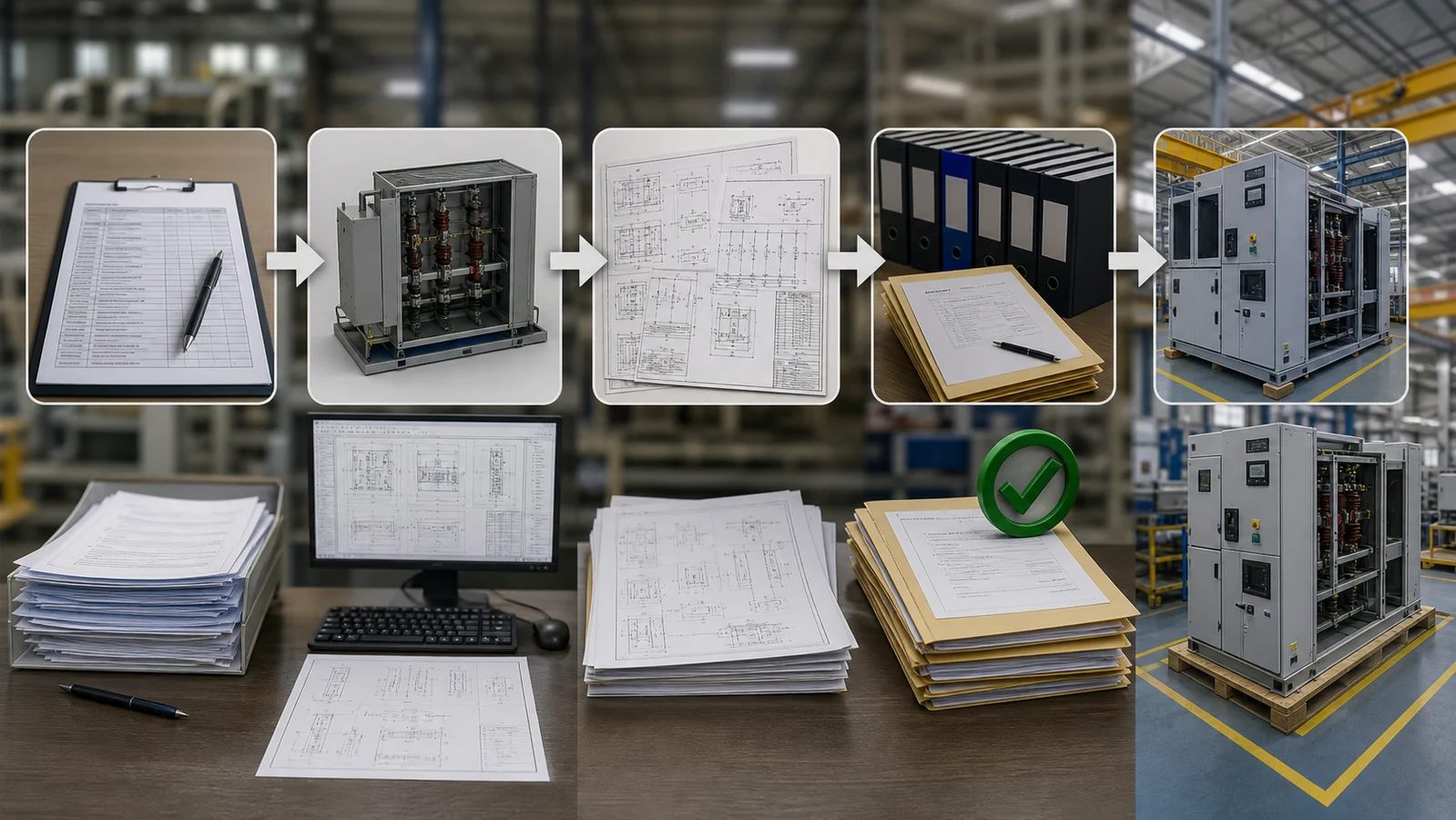
Figure 1: Buyer requirement to production release workflow — gate points at which design ownership, drawing approval, and sample approval must be confirmed before production can be released.
The clearest way to navigate these two models is to map every approval gate against the party responsible for it. The table below covers standard gates for high-voltage equipment production. Neither column implies zero involvement from the other party — it indicates who carries primary responsibility and whose sign-off is required before that gate closes.
| Approval Gate | OEM (Buyer-Owned Design) | ODM (Supplier-Owned Design) |
|---|---|---|
| Design drawings | Buyer provides and approves | Supplier holds; buyer reviews for fit |
| Bill of materials | Buyer controls; substitutions require buyer approval | Supplier controls; buyer confirms suitability |
| Nameplate / label content | Buyer specifies; supplier prints to spec | Supplier standard; buyer may request surface changes |
| First article / sample approval | Buyer defines acceptance criteria and signs off | Supplier’s standard sample; buyer approves against project spec |
| Inspection and test criteria | Buyer-defined; supplier executes | Supplier-defined; buyer confirms scope covers project needs |
| Document package | Buyer specifies required documents; supplier compiles | Supplier provides standard package; buyer verifies completeness |
| Packing and labelling | Buyer specifies | Supplier standard unless buyer amends in writing |
| Engineering change control | Buyer must approve any deviation before implementation | Supplier may revise design; buyer should contractually require notification |
| Design liability | Remains with buyer | Remains with supplier for supplier-owned elements; does not transfer automatically |
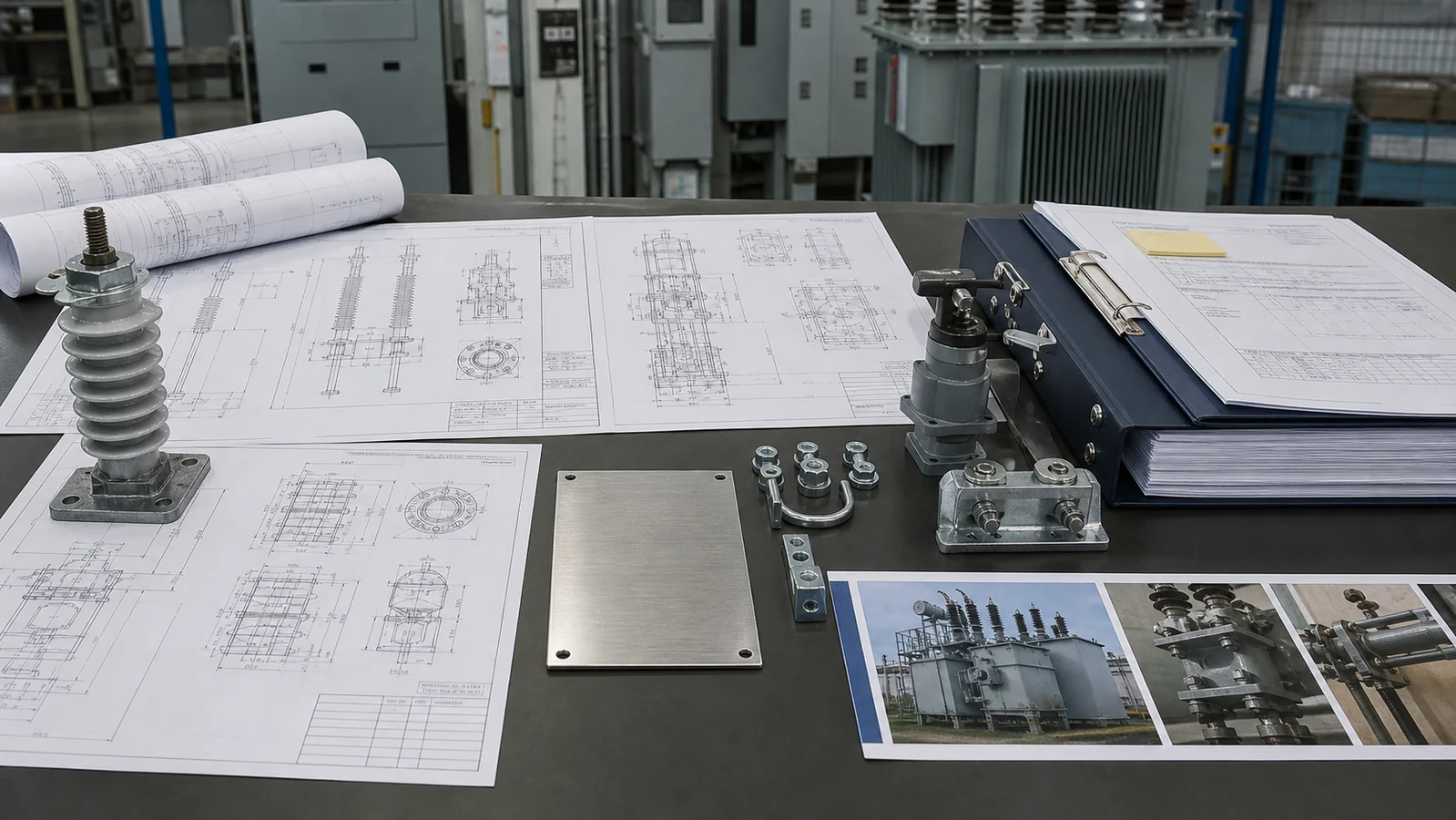
Figure 2: The drawing, sample, nameplate, and document package — discrete items that must be agreed and signed off before a production release order is placed, regardless of whether the engagement is OEM or ODM.
Critical point on buyer-provided drawings and samples: Submitting a drawing or reference sample to a supplier does not, by itself, establish that the design is producible at the required tolerances, that it will pass the applicable test regime, or that it complies with any regulatory framework. Feasibility review and compliance verification are separate steps that must be completed and documented before production release.
Whether operating under OEM or ODM, the sequence from initial enquiry to production release follows the same fundamental gates. The most common failure is compressing or skipping gates under schedule pressure.
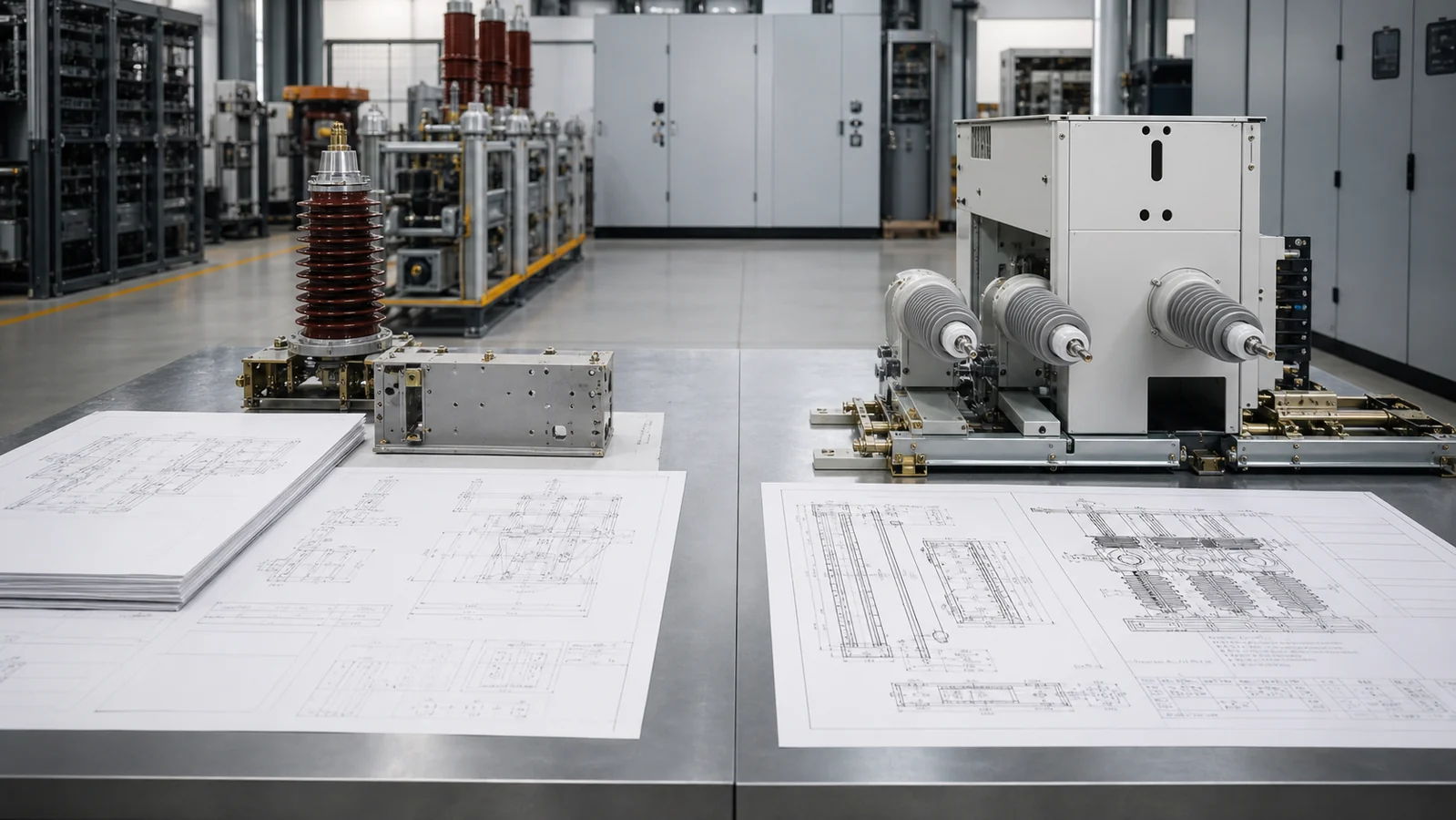
Figure 3: OEM and ODM responsibility map — a side-by-side view of which party owns each stage from design to delivery, without prescribing specific outcomes for any individual project.
A technically complete RFQ for high-voltage equipment must include the following inputs. Incomplete RFQs produce non-comparable quotations, delay feasibility confirmation, and move unresolved risk into the production phase.
Electrical and system parameters
– System voltage (nominal and maximum)
– Rated current and short-circuit withstand rating
– Frequency and number of phases
– Neutral earthing arrangement
– Switching and protection duty, if applicable
Mechanical and installation parameters
– Enclosure dimensions, ingress protection rating, and installation environment
– Busbar configuration and cable entry direction
– Mounting and fixings specification
Design ownership declaration
– Confirm whether the engagement is OEM (buyer provides drawings) or ODM (buyer selects from supplier portfolio)
– Attach drawings at the revision level intended for production, or request the supplier’s standard drawing for review
Approval and document requirements
– List of documents required at first article stage
– List of documents required with production delivery
– Named approval authority on the buyer side and target response time for drawing comments
Commercial parameters
– Order quantity — prototype, initial batch, or series volume
– Target delivery point and Incoterms
– Any third-party inspection or witness testing requirement
Change control expectations
– Notice period the buyer requires before any engineering change is implemented
– Escalation path if the supplier identifies a design conflict during production
Xiyapower’s OEM and ODM service overview describes how these inputs are used to structure a production agreement. Buyers sourcing complete switchgear cabinets or distribution and switching equipment should treat the list above as the minimum for a commercially binding quotation.
Before committing to a supplier and model, a structured symptom check reduces the risk of misaligned expectations reaching production. The table below covers the most common early warning indicators in project procurement.
| Symptom | First Check | Likely Cause | Next Action |
|---|---|---|---|
| Supplier quotes without requesting drawings | Ask whether the quote is based on a standard ODM product or assumes buyer will provide a design | Supplier is pricing a standard product; OEM assumptions are not shared | Clarify model in writing before proceeding; confirm which drawings govern the quote |
| Price varies significantly between suppliers on the same specification | Compare what each supplier included in scope — testing, documents, inspection | Scope is not identical; suppliers have interpreted the RFQ differently | Issue a revised RFQ with a fixed scope checklist and request itemised pricing |
| Supplier accepts buyer’s drawing without feasibility comment | Request written feasibility confirmation covering materials, tolerances, and test requirements | Drawing may not have been reviewed in detail | Require a signed feasibility statement before paying any tooling or NRE deposit |
| Nameplate content not confirmed before production | Request a nameplate proof in the same format as production | Nameplate treated as a late-stage detail; errors are expensive to correct | Make nameplate approval a formal gate in the production schedule |
| Document package arrives after delivery | Specify required documents in the purchase order with a delivery condition | Documents assembled retrospectively rather than compiled during production | Add document delivery as a condition of final payment release |
| Supplier proposes a component substitution during production | Request written details including revised drawing or data sheet | Supply chain disruption or supplier-side cost optimisation | Require written deviation notice and buyer sign-off; do not accept verbal approval |
| Inspection criteria not agreed before first article | Issue a written first article inspection checklist before the sample is produced | Acceptance criteria assumed, not defined | Define and agree the checklist; make first article acceptance conditional on its sign-off |
Buyers sourcing at the component level — busbars, insulators, breakers, and protection relays — will find the same symptom framework applies. The switchgear components category covers items frequently sourced under both OEM and ODM arrangements where drawing and approval discipline is equally important.
For electrical equipment classification and project documentation context, consult the applicable IEC 62271-200 publication alongside the project-specific agreement. A standard reference does not substitute for a project document that names the responsible party at each gate.
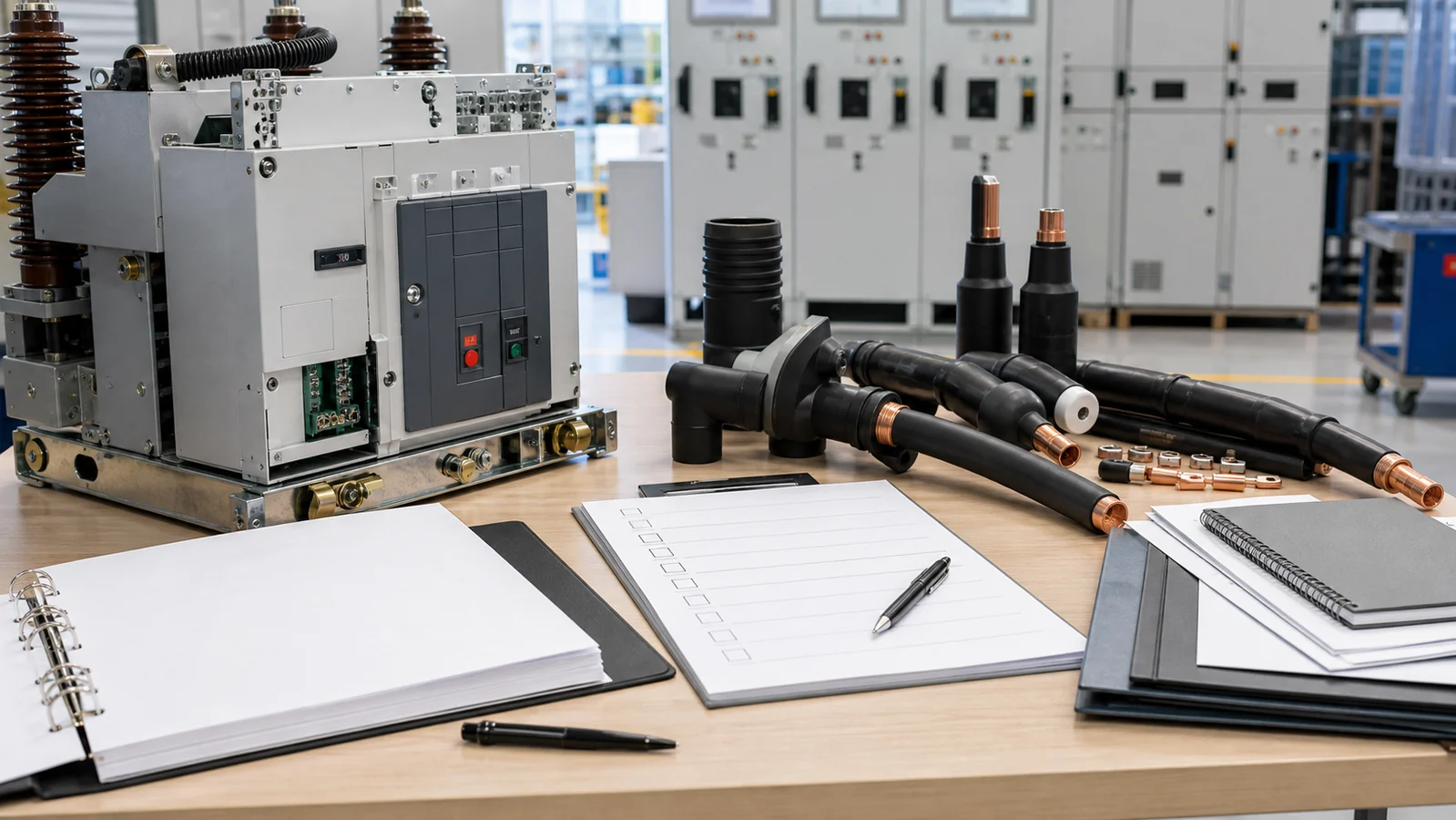
Figure 4: Technical and commercial RFQ review — the parallel tracks of technical feasibility confirmation and commercial scope alignment that must both close before a production order is placed.
Not automatically. The supplier holds the design and is responsible for the accuracy of that design, but whether a given ODM product meets the regulatory requirements of your specific project, installation country, or end-user specification is a determination the buyer must make before purchase. Request the supplier’s existing test documentation and verify it covers the conditions your project requires. Documentation available for one market or voltage level does not transfer to another without independent verification.
A drawing can initiate a feasibility discussion but cannot serve as a production release document until the supplier has confirmed in writing that the design is producible to the specified tolerances and that the required materials and components are available. Schedule pressure is the most common reason this step is compressed. Compressing it transfers unresolved risk into the production phase, where correction costs significantly more.
In an OEM engagement, the buyer must approve any substitution because the buyer owns the design and the bill of materials. In an ODM engagement, the supplier controls the design, but a well-structured purchase order should require the supplier to notify the buyer and obtain written acceptance before implementing any substitution that affects rated performance, dimensions, or document references. This requirement must be written into the purchase order, not assumed.
The minimum useful package for most project applications includes: the as-built drawing at the revision level actually manufactured, a nameplate photograph or rubbing confirming the content as shipped, the production test record, and the packing list with serial numbers. Any certificates referenced on the nameplate must be included or be directly verifiable. Agree this list in the purchase order; do not rely on a supplier’s standard delivery practice to cover project-specific requirements.
A sample confirms that one unit was built to a certain standard at a point in time. It does not confirm that series production will replicate that standard unless the production process, materials, and inspection criteria are formally locked against the approved sample. First article approval should close a gate: the approved sample, the signed inspection report, the confirmed bill of materials, and the confirmed production drawing should all be filed together before series production is authorised.
This article explains OEM and ODM as commercial and technical responsibility models for project buyers sourcing high-voltage equipment. It does not constitute legal advice, and no responsibility is accepted for procurement decisions made without independent technical and legal review.