Quotation form
Send an inquiry
Start with the basics. Our team can follow up for missing drawings, standards or packing details.
Submitted details are used only for quotation, technical review and project communication.

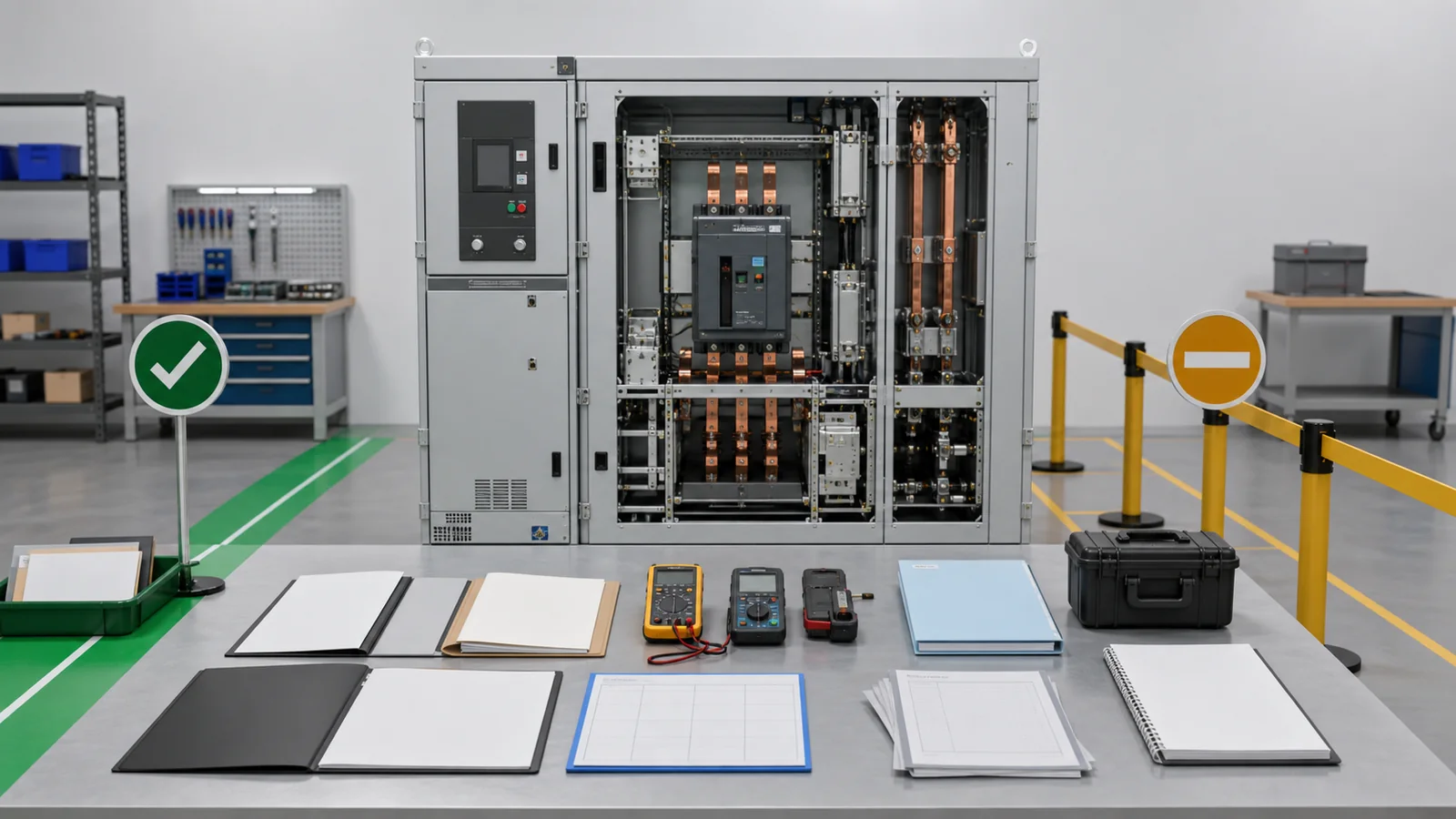
All images are generated illustrative technical visualizations, not XIYA POWER factory, design, inspection, test, FAT, manufacturing, installation, commissioning, or field photographs.
A switchgear inspection and test plan controls order-specific production and verification stages. A stage can proceed only when its approved input, characteristic, acceptance source, method, participation rule, notice, record, hold condition, and release authority agree. Completed work or witness attendance does not independently release a hold point.
The supplier quality plan translates the accepted order into controlled responsibilities, resources, inputs, records, change routes, and release authority. It should be accepted before production reaches the stages it controls.
The quality plan is broader than the ITP. It defines document control, competence, subcontractor controls, nonconformance routes, record systems, gate ownership, and final handover. The ITP applies that framework activity by activity.
The OEM/ODM custom-order page identifies drawings, samples, labels, inspection planning, packing, and shipment documents as early buyer inputs. The manufacturing workflow owns the end-to-end order sequence. The drawing revision guide owns revision-register and approval-status controls.
The official ISO 10005:2018 page describes guidance for establishing, reviewing, accepting, applying, and revising quality plans. It says the guidance can apply to a process, product, service, project, or contract. The document does not specify requirements. Therefore, it can inform structure but cannot replace the contract, project specification, product standard, or approved procedure.
Build a stage gate matrix that shows what must close before work proceeds. The labels and release authority remain order-specific.
| Stage gate | Controlled input | Required record | Gate owner | Release gate | Hold condition |
|---|---|---|---|---|---|
| Quality-plan acceptance | Accepted order, roles, and document hierarchy | Accepted quality plan and distribution record | Named plan owner | ITP development | Roles or source hierarchy remain open |
| Drawing baseline | Approved drawings and bill of materials | Revision register entry | Drawing authority | Affected production stage | Current revision is not approved |
| Sample baseline | Approved first-article or sample disposition | Referenced disposition and conditions | Sample gate owner | Series-production input | Open condition is not transferred |
| ITP acceptance | Current ITP and contract-specific legend | Acceptance and distribution record | Named ITP owner | Controlled stage entry | Activity or authority is undefined |
| Production hold | Inputs and evidence named by the ITP row | Referenced release record | Row-specific gate owner | Next named stage | Release evidence is absent |
| Final order release | Closed record index and deviations | Signed release note | Named release authority | Handover | Open gate or disposition remains |
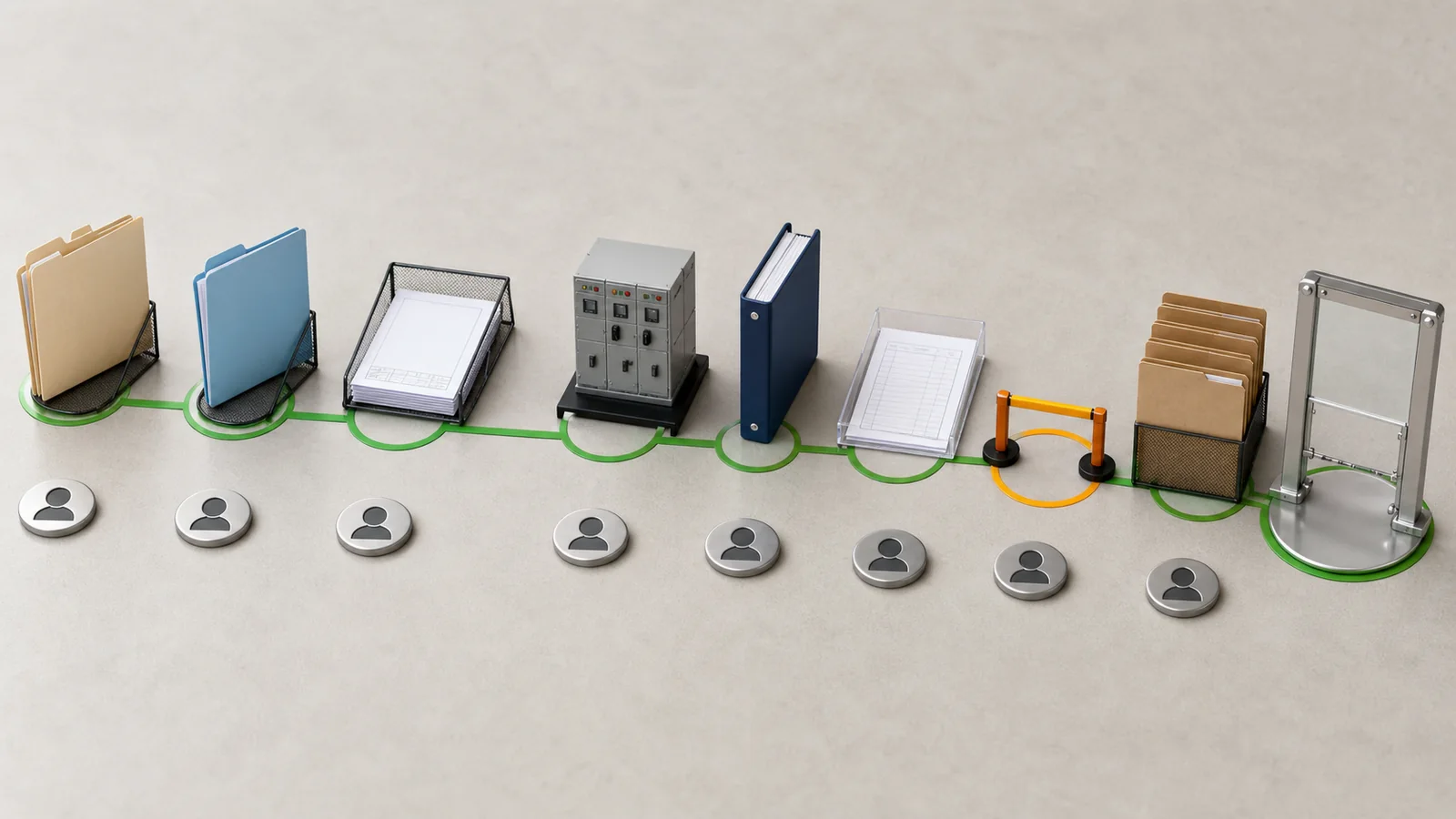
The matrix is a release map, not proof that an activity occurred. Every gate still needs the record and authorization named by the accepted order documents.
Each ITP row should identify the activity or characteristic, process stage, configuration or lot, acceptance source, method, responsibility, record, and authorization to proceed. Where sampling or frequency applies, the row should cite its controlling source.
Inspection or test equipment should map to its status record. The row should also identify participation, notice, gate owner, and hold condition. This prevents one signature from being treated as attendance, technical acceptance, and release authority at the same time.
Codes such as H, W, R, or S have meaning only through the accepted order legend. The contract or project specification determines each code, notice rule, waiver route, attendance consequence, and release authority. A generic internet definition should not control production.
Four controls must stay separate:
A witness waiver does not release a separate hold point. A witness signature also does not replace technical acceptance or the release authority named in the quality plan.
| ITP row element | Controlled source | Required return | Hold condition |
|---|---|---|---|
| Activity and characteristic | Order scope and process route | Clear activity boundary | Object or stage is ambiguous |
| Acceptance source | Contract, standard, approved drawing, or deviation | Exact source and revision | Criterion cannot be traced |
| Method and procedure | Accepted procedure hierarchy | Current procedure reference | Method revision is uncontrolled |
| Sampling or frequency | Named contract or technical source | Source-based requirement | Frequency has no authority |
| Responsibility and competence | Supplier quality plan | Responsible role and competence evidence | Qualified owner is absent |
| Equipment and instrument | Approved equipment system | Identity and current status reference | Status record is missing |
| Participation and notice | Order-specific legend and clause | Notice, attendance, waiver, or review record | Participation route is unresolved |
| Authorization to proceed | Accepted gate definition | Gate-owner release | Required release is unsigned |
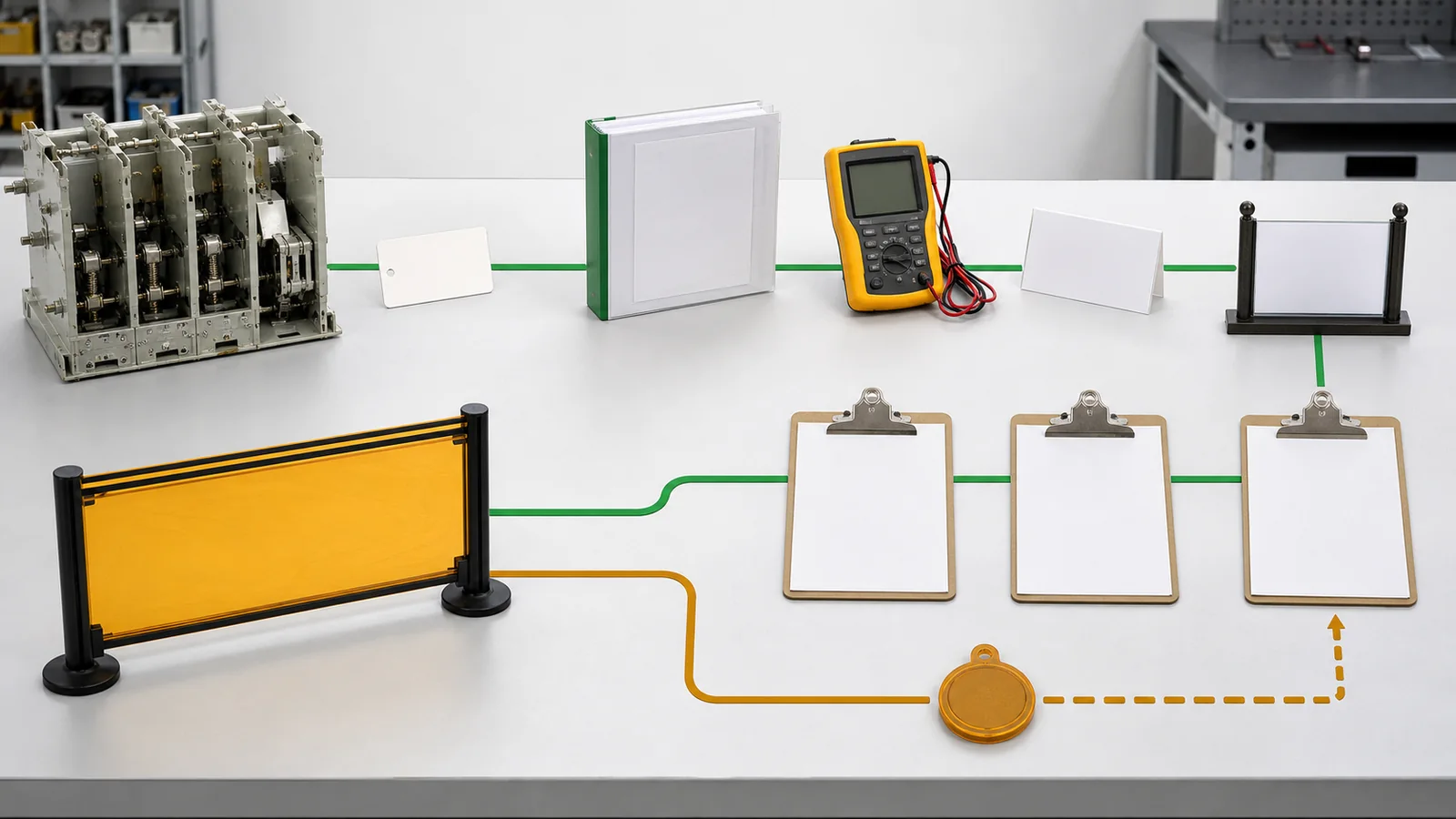
The ITP should also name the record form or data file expected from each row. This creates a usable document register instead of a checklist with no handover path.
Every ITP row depends on controlled inputs. Freeze the accepted order, project specification, accepted deviations, drawings, bill of materials, product configuration, sample disposition, standards hierarchy, procedures, work instructions, and record forms.
The compliance and deviation matrix owns accepted pre-order departures. Any accepted departure that affects production should appear in the relevant ITP acceptance source. The sample approval guide owns the first-article baseline and its production effect.
The quality plan should also control competence, subcontracted activities, inspection or test equipment, instrument status, unit or lot identity, and record storage. Referenced documents need current revisions and clear distribution.
| Controlled input | ITP connection | Evidence needed before use | Change question |
|---|---|---|---|
| Accepted requirement and deviation | Acceptance source | Accepted revision and disposition | Which rows inherit the condition? |
| Approved drawing and bill of materials | Configuration and characteristic | Revision register status | Does the change affect completed work? |
| Sample disposition | Series-production baseline | Approval and open-condition record | Which controls transfer to production? |
| Procedure or work instruction | Method | Accepted revision and competence | Must the activity be repeated? |
| Equipment and instrument system | Method evidence | Identity and current status | Does prior evidence remain traceable? |
| Unit, panel, batch, or lot identity | Record identity | Marking and record link | Which objects are affected? |
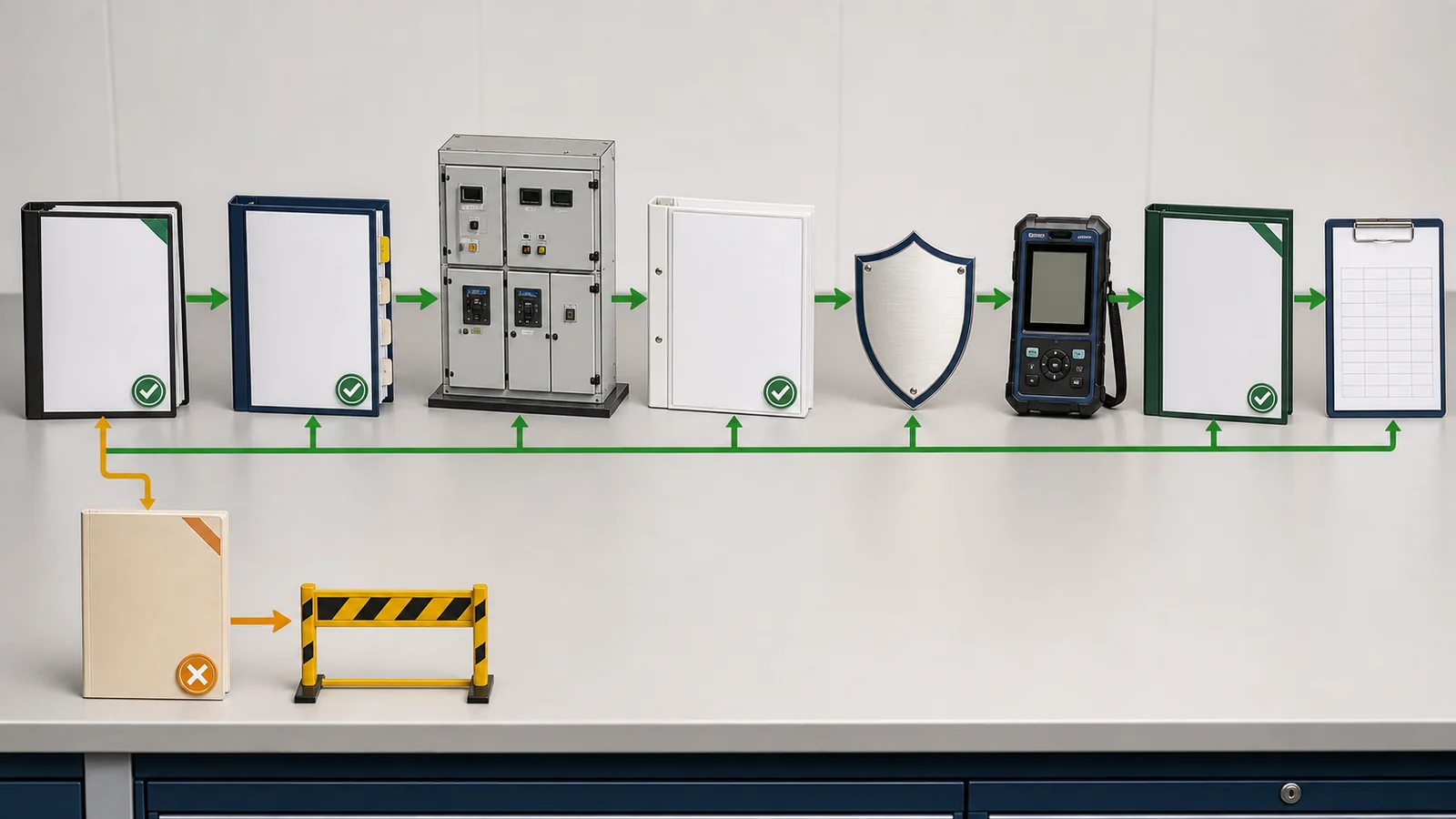
A revised input triggers a documented impact review. It does not automatically invalidate completed work, and it does not silently authorize future work. The gate owner should identify affected rows, evidence, units, and any reinspection or retest route.
Subcontracted activities require the same control. The supplier should map the subcontracted process, procedure, competence, equipment status, record, and release responsibility before that stage begins.
Notice control is a planning and record function. The accepted documents should name the sender, recipient, notice clock, required attachments, readiness declaration, acknowledgment, rescheduling route, and waiver authority.
Readiness should be supported by the project-defined inputs. These may include the correct configuration, current procedure, available equipment, valid instrument status, prepared record form, and stage-owner confirmation. A premature notice may require reissue under the contractual rule.
When a date changes, retain the original notice, revised date, reason, acknowledgment, and authorization. If the invited party cannot attend, use the contract-specific waiver or disposition route. Do not assume that silence is attendance waiver.
An attendance signature confirms presence. It does not prove acceptance criteria were met, close an incomplete test record, or authorize the next stage. The quality plan and ITP should identify who performs each of those separate actions.
This process guide does not provide a FAT test sequence, acceptance value, remote-video setup, or energized-work instruction. Those require project procedures, qualified personnel, controlled equipment, and a separately approved witness plan.
When work passes an unreleased hold point, first identify the affected object and stage. Preserve the as-performed record, restrict further progress as required, and obtain the named gate owner’s disposition. Later paperwork cannot convert uncontrolled progress into an originally compliant release.
The approved route may require access, inspection, reinspection, retest, record reconstruction from valid evidence, or formal nonconformance control. Only the accepted procedure and authority can choose that route. Do not dismantle, repeat a test, or alter equipment solely because a generic template suggests it.
Late witness notice needs a separate disposition. It is neither an automatic technical failure nor an automatic waiver. Keep the notice log, applicable clause, acknowledgment, attendance or waiver record, decision owner, and corrective action together.
A test record with an untraceable instrument identity remains incomplete evidence. Reconcile the instrument to a valid status record or follow an approved repeat route. Do not replace the original record; connect it to the disposition and resulting evidence.
Each deviation should identify the affected activity, object, as-found condition, acceptance source, authority, approved action, reinspection or retest evidence, and final authorization. Closure occurs when the release authority confirms that the stated hold condition is satisfied.
The final document register should index every ITP row, test record, notice, waiver, deviation, reinspection record, traceability link, and release note. This indexed package supports order handover. It does not replace later packing, nameplate, spares, or shipment-release controls.
Representative engineering review, not a XIYA POWER customer, factory, supplier, design, inspection, test, FAT, manufacturing, installation, commissioning, maintenance, or field case. All order quantities, panel identifiers, document revisions, activity counts, participation codes, notice periods, instrument identifiers, stage status, and findings are illustrative and non-universal.
The illustrative order covers 12 medium-voltage switchgear panels. ITP revision C contains 19 activities: four hold points, six witness points, and nine review points. Drawing register DR-07 is revision D.
| Stage gate | Observed return | Decision | Required record | Hold condition |
|---|---|---|---|---|
| H-02 before enclosure closure | Tracker shows P01-P04 at enclosure closure. No H-02 release signature or referenced conductor-material and drawing-status evidence is returned. | Hold P01-P04 at the affected stage. | Gate-owner disposition tied to H-02, DR-07 revision D, and conductor evidence | Authorized release and referenced evidence remain absent |
| W-04 mechanical-operation and interlock record | Illustrative contract requires 10 calendar days’ notice. Notice was issued three calendar days before the planned activity, with no recorded waiver. | Hold the participation disposition separately. | Notice log, applicable clause, acknowledgment, waiver or decision, and owner | Contract-specific participation route remains open |
| R-07 routine records for P05-P08 | Records identify EQ-41, while the supplied calibration register identifies EQ-14. | Hold those records pending reconciliation or an approved repeat route. | Valid EQ-41 status link or approved repeat record for P05-P08 | Instrument-status traceability remains broken |
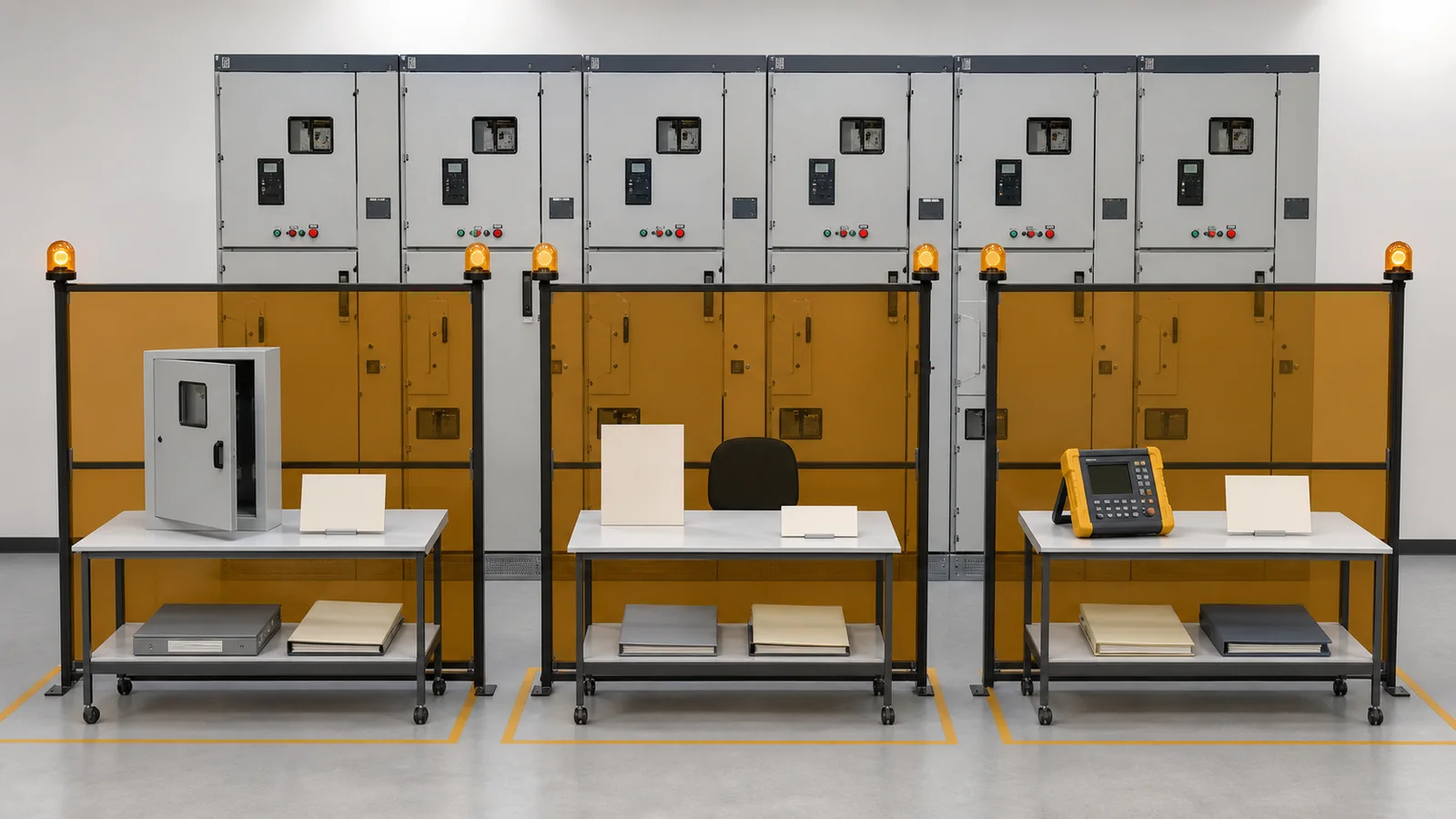
The gate owner must determine the approved route for P01-P04. Controlled access or reinspection is appropriate only when an accepted procedure supports it. The W-04 record needs a documented contract-specific disposition; late notice alone proves neither technical failure nor waiver.
For P05-P08, reconcile EQ-41 to valid instrument-status evidence or use an approved repeat route with a confirmed instrument. Closing one gate does not release the other two.
No completed inspection, actual test, nonconformance disposition, production release, shipment, installation, or operating result is claimed or implied.
Include each controlled stage, object, characteristic, acceptance source, method, frequency source, responsibility, competence, equipment status, participation rule, notice, record, gate owner, hold condition, and authorization to proceed.
The quality plan defines the order-wide controls, responsibilities, resources, changes, records, deviations, and release authority. The ITP applies that framework to specific production and verification activities.
Use the accepted order legend. A hold point generally controls progress beyond a stage, while a witness point generally controls an attendance opportunity. The contract defines both consequences and authorities.
Only the contract-specific rule can answer this. It should define valid notice, attendance, waiver authority, required records, and whether work may proceed. A witness waiver cannot release a separate hold point.
Use the record named by the accepted ITP row. It should identify the object, activity, source, result, responsible function, equipment status, participation disposition, and gate-owner release where required.
Identify and control the affected objects, preserve the as-performed record, stop further progress where required, and obtain a documented gate-owner disposition. Use only approved access, reinspection, retest, or deviation routes.