Quotation form
Send an inquiry
Start with the basics. Our team can follow up for missing drawings, standards or packing details.
Submitted details are used only for quotation, technical review and project communication.

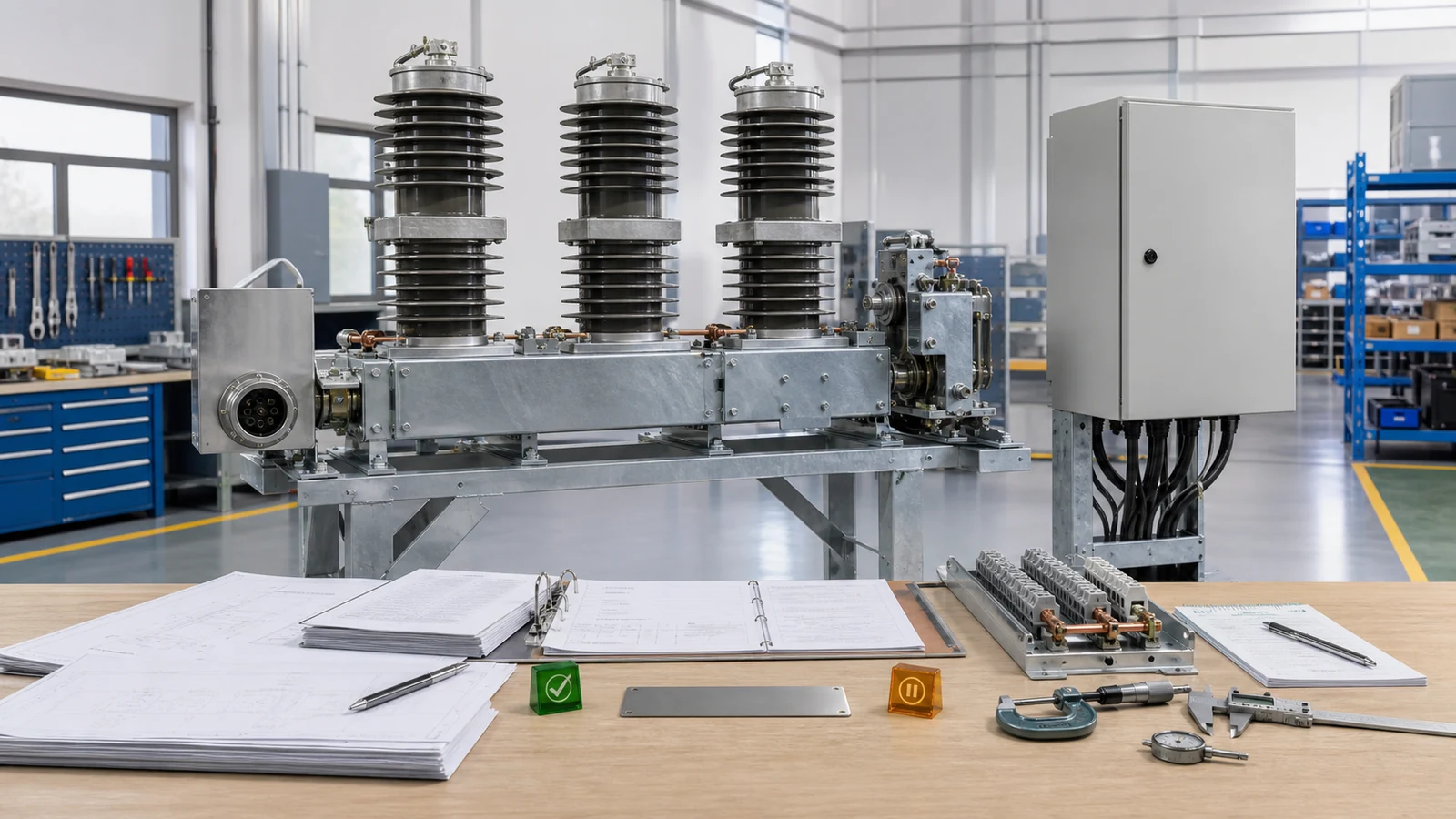
High voltage equipment sample approval is valid only for the identified item, configuration, revision set, review plan, and evidence named in the approval record. It does not approve a different design, silently accept a deviation, or prove that later production units conform.
The practical output is a controlled release package. It defines what the sample represents, freezes the acceptance source before build, records actual observations, assigns a written disposition, and transfers the approved baseline into series-production controls. Every open condition retains an owner and hold point.
Visual disclosure: all images are generated illustrative technical visualizations, not XIYA POWER factory, customer, inspection, test, FAT, manufacturing, delivery, installation, commissioning, or field photographs.
Start by naming the physical object and its purpose. The OEM/ODM manufacturing owner accepts drawing- or sample-led customization inputs, but a submitted object is not automatically an approval sample. The project must define its scope and production effect. The OEM versus ODM responsibility guide separately establishes who owns design inputs, review, approval, and release.
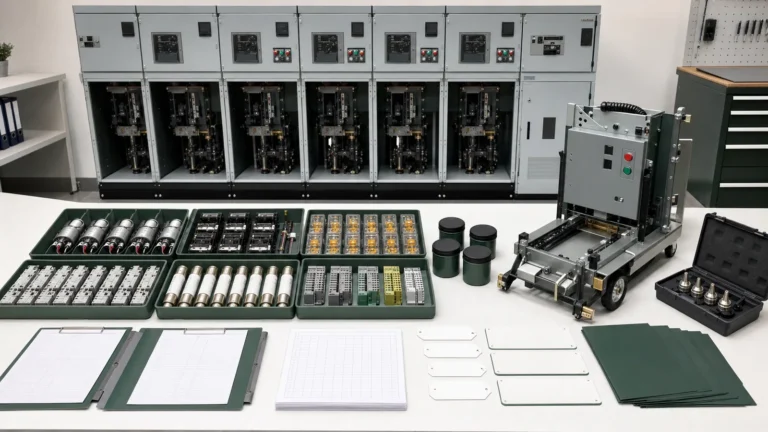
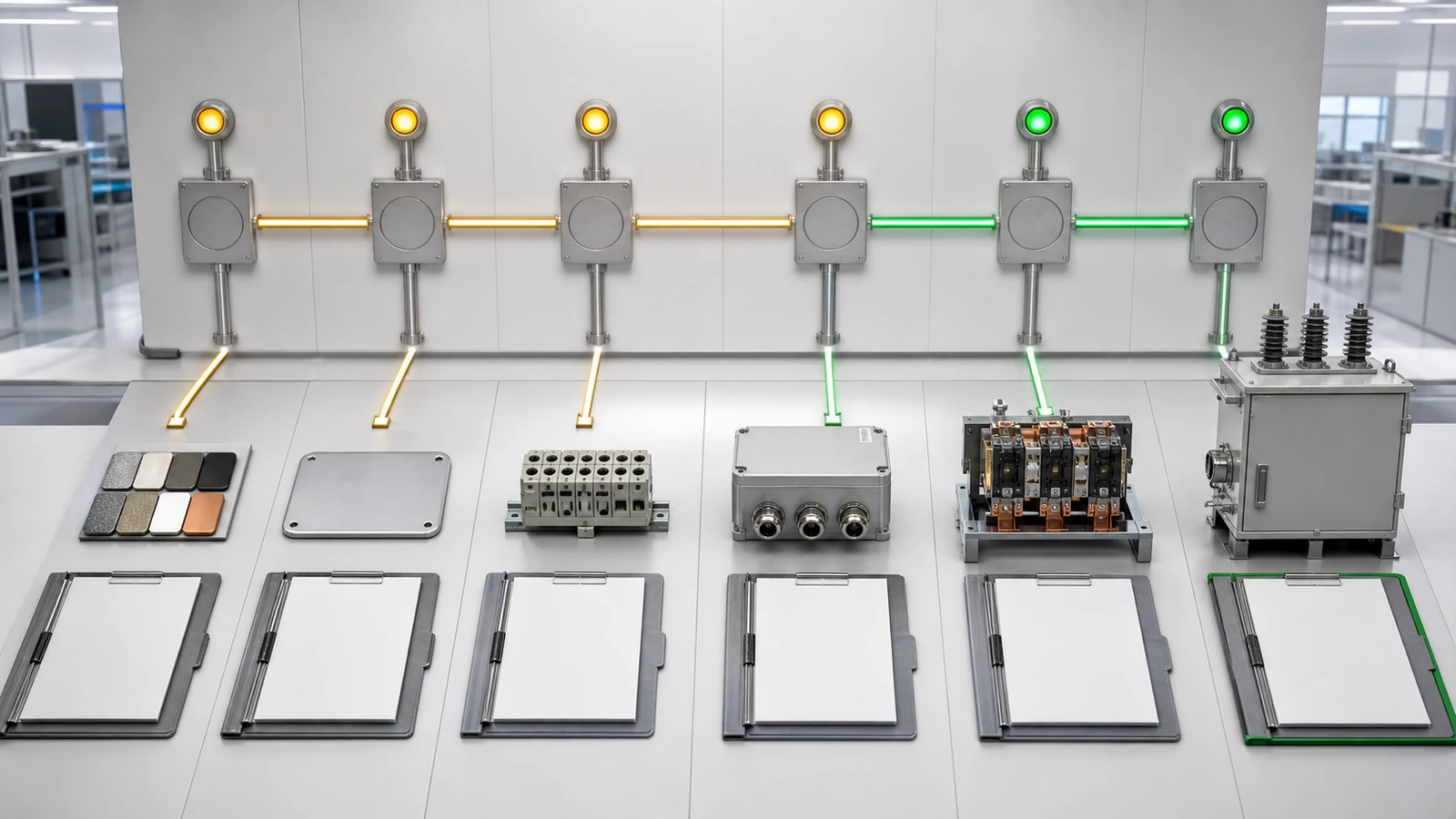
A sample may be a material, finish, nameplate, component, interface mock-up, prototype, subassembly, or complete unit. A first article commonly means an initial unit intended to represent an identified production configuration and process scope. Neither definition is universal. State whether production materials, tooling, facility, process, software, and inspection controls must be representative.
| Approval object | Intended decision | Production representativeness | Controlled baseline | Production effect | Hold condition |
|---|---|---|---|---|---|
| Material or finish sample | Identity, appearance or specified property | Limited unless production process is included | Material/finish source and approved requirement | Releases only the named material/finish scope | Source or method unclear |
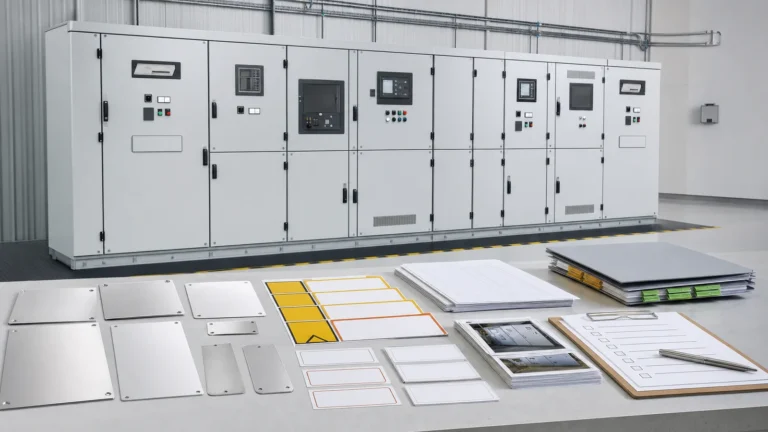
| Nameplate or label | Artwork, data and physical interface | Must match approved artwork and process scope stated | Artwork revision, marking data and material basis | Releases only the identified marking | Revision or content differs |
| Component or mock-up | Fit, form or interface | Project-defined | Approved drawing, BOM and interface data | Informs or releases the named interface | Mating configuration incomplete |
| Prototype | Design learning | Often not production-representative | Design basis and permitted departures | No series release unless expressly defined | Prototype differences unresolved |
| Complete first article | Initial configuration/process confirmation | Must be explicitly stated | Full configuration and sample approval plan | Gates series release within named limits | Evidence or configuration incomplete |
`
`
Approval must identify the item/serial or sample reference, planned quantity, retained or destructive status, manufacturing boundary, and authority. A reference photograph or previously supplied “similar” unit cannot replace that identity.
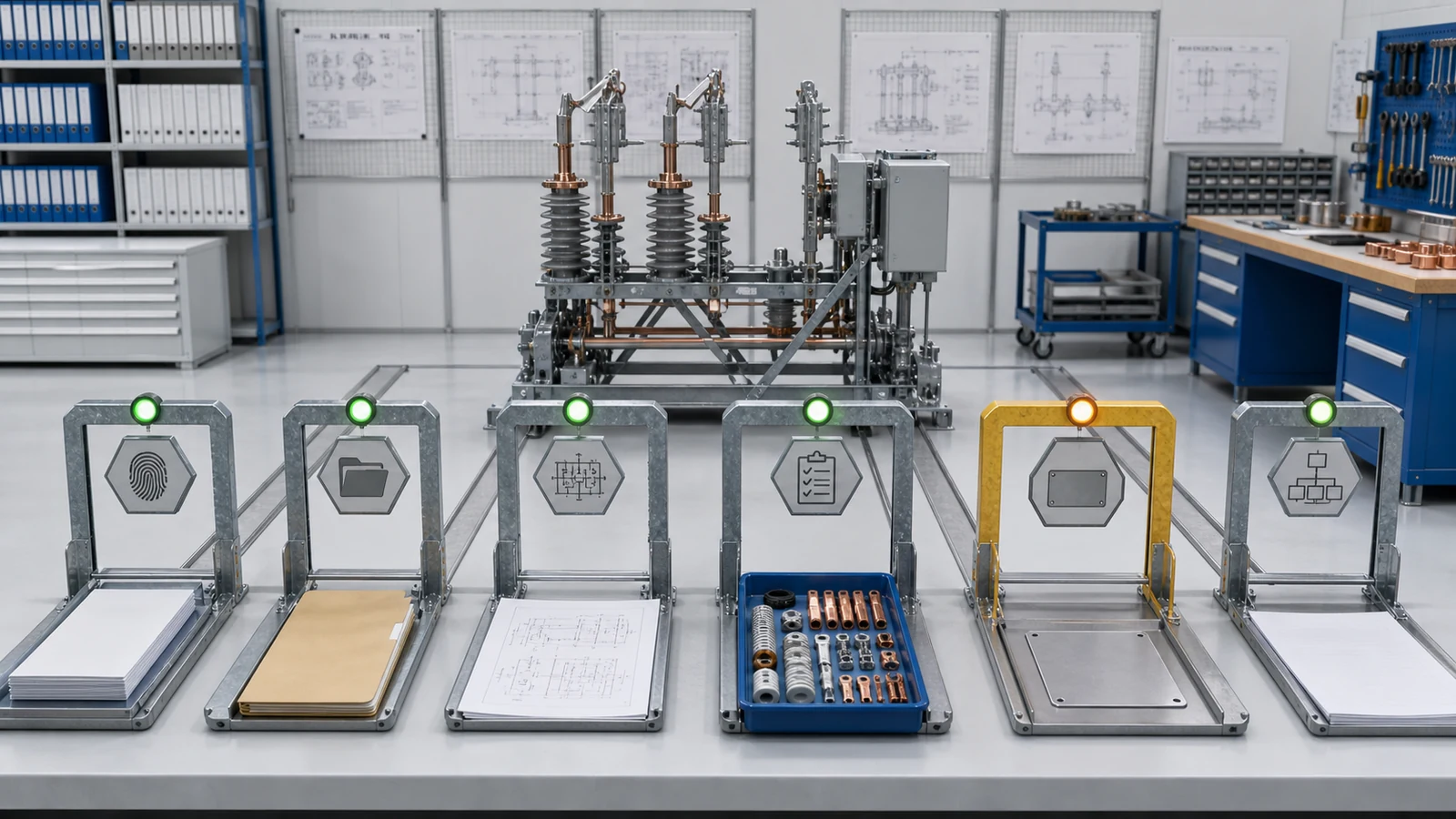
Place the sample gate inside the end-to-end high-voltage equipment workflow, then freeze its own controlled inputs. Use the switchgear drawing revision-control method to identify approved drawings, the revision register, comments, transmittals, superseded records, and manufacturing status; do not treat an email attachment as release authority.
The baseline should identify the accepted order/specification, accepted deviations, approved drawing and bill-of-material revisions, interfaces, materials/components, and nameplate artwork. It should also identify applicable software/firmware, process/facility scope, and responsible functions. Approve the inspection and test plan for the sample before review, not after results are known.
| Stage gate | Controlled input | Plan must define | Required record | Gate owner / hold condition |
|---|---|---|---|---|
| Object freeze | Item, quantity and purpose | Production-representative scope and handling | Sample identity sheet | Hold if object or scope is ambiguous |
| Configuration freeze | Specification, deviations, drawings, BOM and software | Exact revisions and approved departures | Baseline index | Hold if sources conflict |
| Characteristic freeze | Interfaces, materials, markings, workmanship and functions | Requirement source and acceptance condition | Characteristic schedule | Hold if criterion has no source |
| Method freeze | Measurement, review or safe functional method | Tool/instrument, verification status and attachment | Approved sample plan | Hold if method cannot support the decision |
| Authority freeze | Preparer, reviewer, witness and approver | Disposition rights and escalation route | Responsibility matrix | Hold if approval authority is unnamed |
| Production-effect freeze | Approval, conditional approval or disapproval effect | Allowed work, restrictions and closure evidence | Release-gate statement | Hold if production risk is unallocated |
`
`
No sample quantity, tolerance, tool, witness point, approval duration, or destructive-test rule is universal. The contract, project specification, product-specific standard, accepted order basis, and approved plan control them.
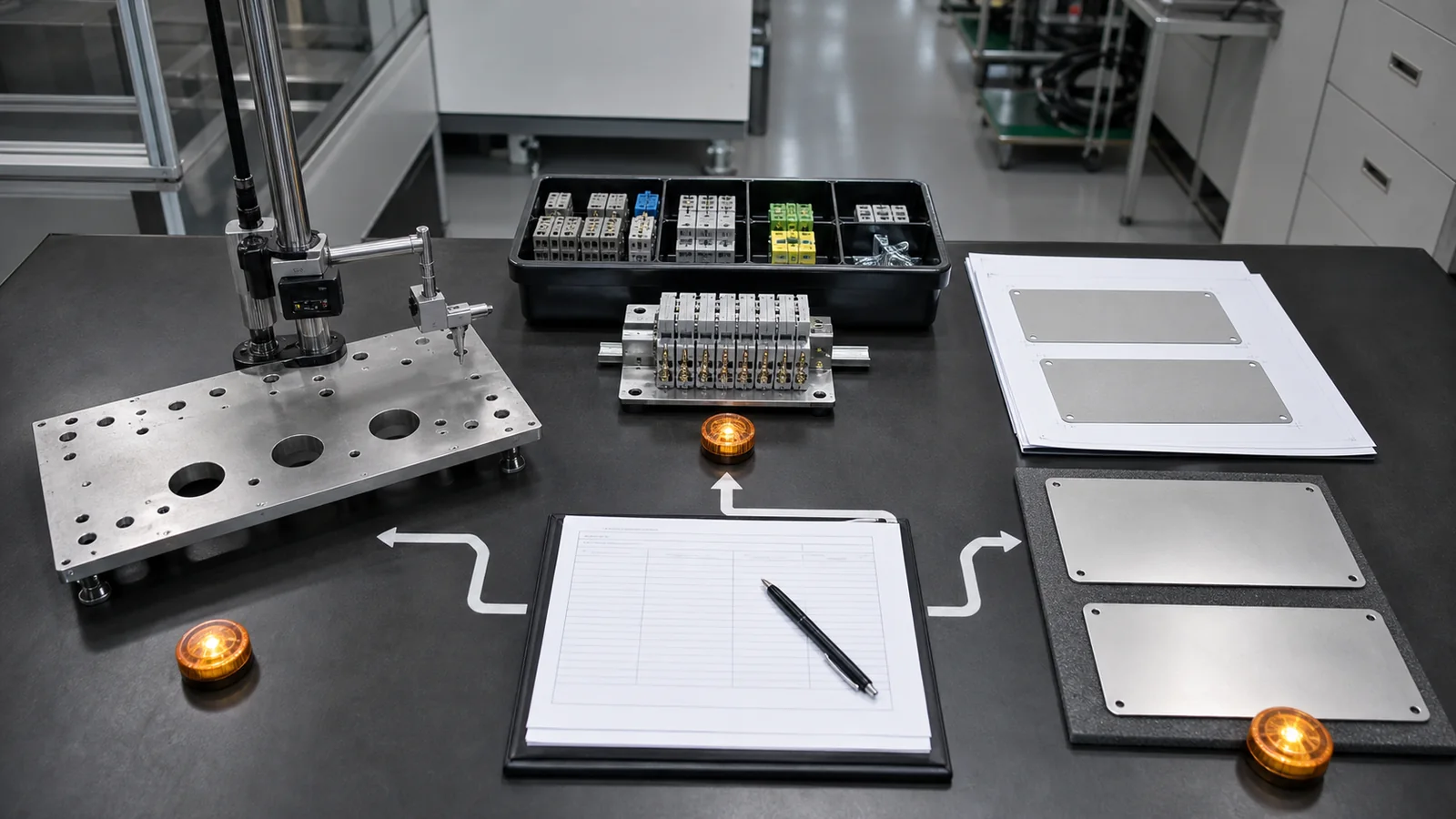
The evidence record must let a reviewer trace each characteristic from requirement to result. Use the accepted order basis, deviations, project specification, approved drawings/BOM, and project-invoked product standards first. Then use the approved sample or inspection plan, configuration-specific manufacturer data, and later formally accepted dispositions. A generic catalogue or visual similarity does not override a controlled source.
Review only the characteristics applicable to the sample scope. These can include identity and revision, dimensions/interfaces, material or component identity, workmanship/finish, nameplate/labels, wiring or configuration, software where applicable, and safe functional checks defined by the plan. Record actual data rather than only pass.
| Evidence field | What it must show | Weak return that remains open |
|---|---|---|
| Requirement | Source document, revision and characteristic | Unreferenced checklist wording |
| Actual result | Measurement, observation, identity or output | Pass mark without actual data where data is required |
| Method | Approved method and tool/instrument record | Photo with no method or datum |
| Configuration | Item identity and applicable drawing/BOM/software revisions | Model family only |
| Attachment | Controlled photo, record, certificate or output reference | File with no item or revision link |
| Review | Reviewer, date, status and open action | Initials with no disposition authority |
| Traceability | Connection from the reviewed item to source and record | Similar sample or reused generic evidence |
`
`
Do not invent a universal inspection sequence, tolerance, calibration interval, test duty, or pass value. If a result cannot be tied to the applicable source and configuration, record it as open rather than converting uncertainty into conformity.
Every review needs a written disposition that identifies the item, plan revision, evidence package, open findings, production status, and decision authority. The switchgear compliance and deviation matrix provides the upstream accepted-order basis; a new sample-stage departure still needs the project’s formal change, deviation, or nonconformance route.
The public US procurement clause FAR 52.209-3 is a bounded example, not a universal commercial rule. Its public text uses written approval, conditional approval, or disapproval; states that approval does not relieve contract requirements; and addresses material/production risk before approval. It applies only where incorporated into the contract. This article uses those control concepts without assigning liability or giving legal advice.
| Disposition | Trigger | Production status | Closure evidence |
|---|---|---|---|
| Approve | All required characteristics and records conform | Release only within the stated baseline and scope | Signed evidence and release note |
| Conditionally approve | Named actions can be controlled within expressly authorized limits | Only the work explicitly authorized; remaining hold conditions stay active | Action closure and reinspection/review records |
| Disapprove / hold | Blocking nonconformity, missing evidence or wrong baseline | Series release blocked | Corrected/rebuilt item or approved disposition, revised record and new written decision |
| Information only | Object was not submitted as an approval gate | No production effect | Filed information record |
A signature cannot silently accept a different dimension, component, drawing revision, or marking. Conditional approval must name the condition, allowed scope, owner, due point, and evidence that closes it.
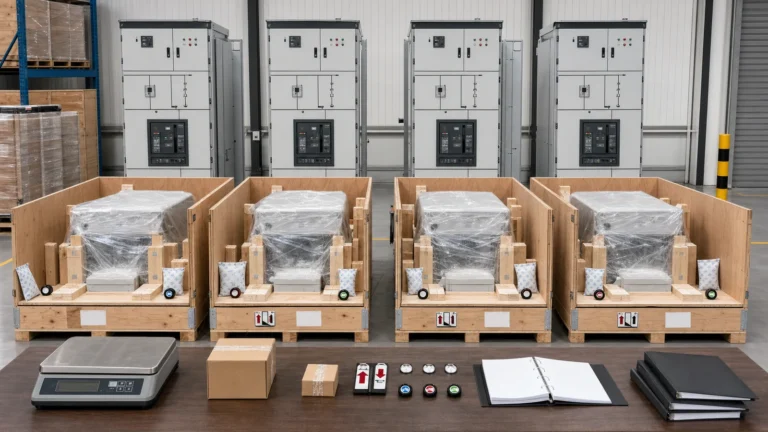
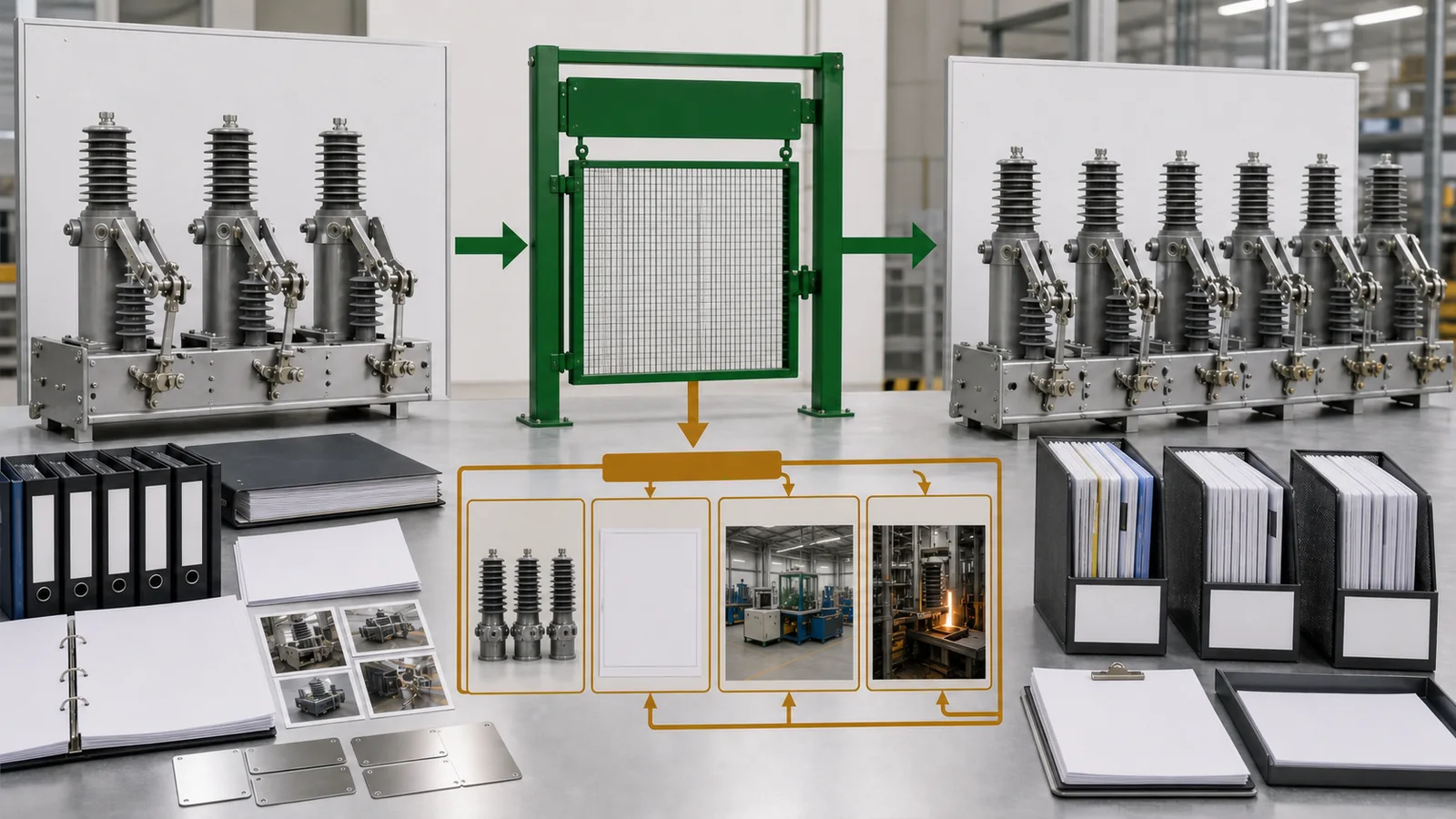
Approval must move into production as a controlled handover, not as an isolated signed sheet. The package should contain the approved configuration index, drawings/BOM/software revisions, final evidence record, closed conditions, and accepted deviations. It should also preserve controlled reference photos or measurements, retained-sample status, and written release authorization.
Transfer characteristics that require ongoing control into work instructions, the series inspection and test plan, control plan, or routine-test record as applicable. Record the handover in the document register or release note, including owners and remaining restrictions. This is handover evidence, not proof that future units conform.
`
`
Define reapproval triggers before production. They may include changes to drawings, BOM, software, materials, supplier, facility, process, tooling, marking, or interfaces. Also address a systematic series finding, loss or damage of a retained reference, and other contract-defined events. No universal similarity waiver, retention period, production gap, lot size, or change threshold applies.
Keep the gates separate. Sample approval does not replace routine production inspection, applicable routine tests, series ITP records, FAT, NCR closure, packing, or shipment release. OEM-05 owns the later order ITP in this content plan.
Representative engineering review, not a XIYA POWER customer, factory, inspection, test, FAT, manufacturing, delivery, installation, commissioning, or field case. All quantities, revisions, and dimensions are illustrative and non-universal.
The review covers one first article and eleven planned series units of a custom outdoor switching assembly. The controlled baseline is general-arrangement drawing revision D, wiring drawing revision C, BOM revision B, nameplate artwork revision B, and sample approval plan revision B.
The plan identifies a cable-entry centerline of 180 mm from datum A; the illustrative record shows 194 mm. The installed terminal-block family differs from BOM revision B, with no approved deviation or equivalence record. The physical nameplate uses artwork revision A instead of the required revision B.
Decision: hold the sample and series-production release. For each difference, either correct the configuration or obtain an approved disposition through the named project route. Reconcile affected drawings, BOM and artwork; reinspect all changed characteristics; revise the evidence record; and obtain written release from the plan’s named authorities. Closure of one finding does not close the other holds. No test, manufacturing, delivery, or final-approval outcome is claimed.
A sample can be a material, finish, label, component, mock-up, prototype, subassembly, or complete unit submitted for a stated decision. A first article commonly represents an initial production configuration and process scope. The project must define both terms, their representativeness, and production effect.
Identify the object, quantity, baseline revisions, accepted deviations, characteristics, source criteria, and method/tool records. Add witness or hold points, attachments, reviewers, disposition authority, sample handling, reapproval triggers, and the exact effect on series production.
Only when the written disposition releases the identified configuration under the plan’s stated conditions. Approval does not release a changed configuration or replace routine production controls. Any pre-approval work requires explicit contract/project authority and risk allocation.
No. It must identify the condition, allowed scope, actions, owner, closure evidence, and authority. A departure that changes the controlled baseline follows the approved deviation or change route; the signature alone is not acceptance.
Retain the baseline index, final evidence and disposition records, approved revisions, closed conditions, accepted deviations, controlled attachments, retained-reference status, production handover, and release authorization for the project-defined period.
Use the plan’s triggers, such as relevant drawing/BOM/software, material, supplier, facility, process, tooling, marking, or interface changes, or a systematic series finding. Assess and document the effect before production continues; no universal threshold applies.