Quotation form
Send an inquiry
Start with the basics. Our team can follow up for missing drawings, standards or packing details.
Submitted details are used only for quotation, technical review and project communication.
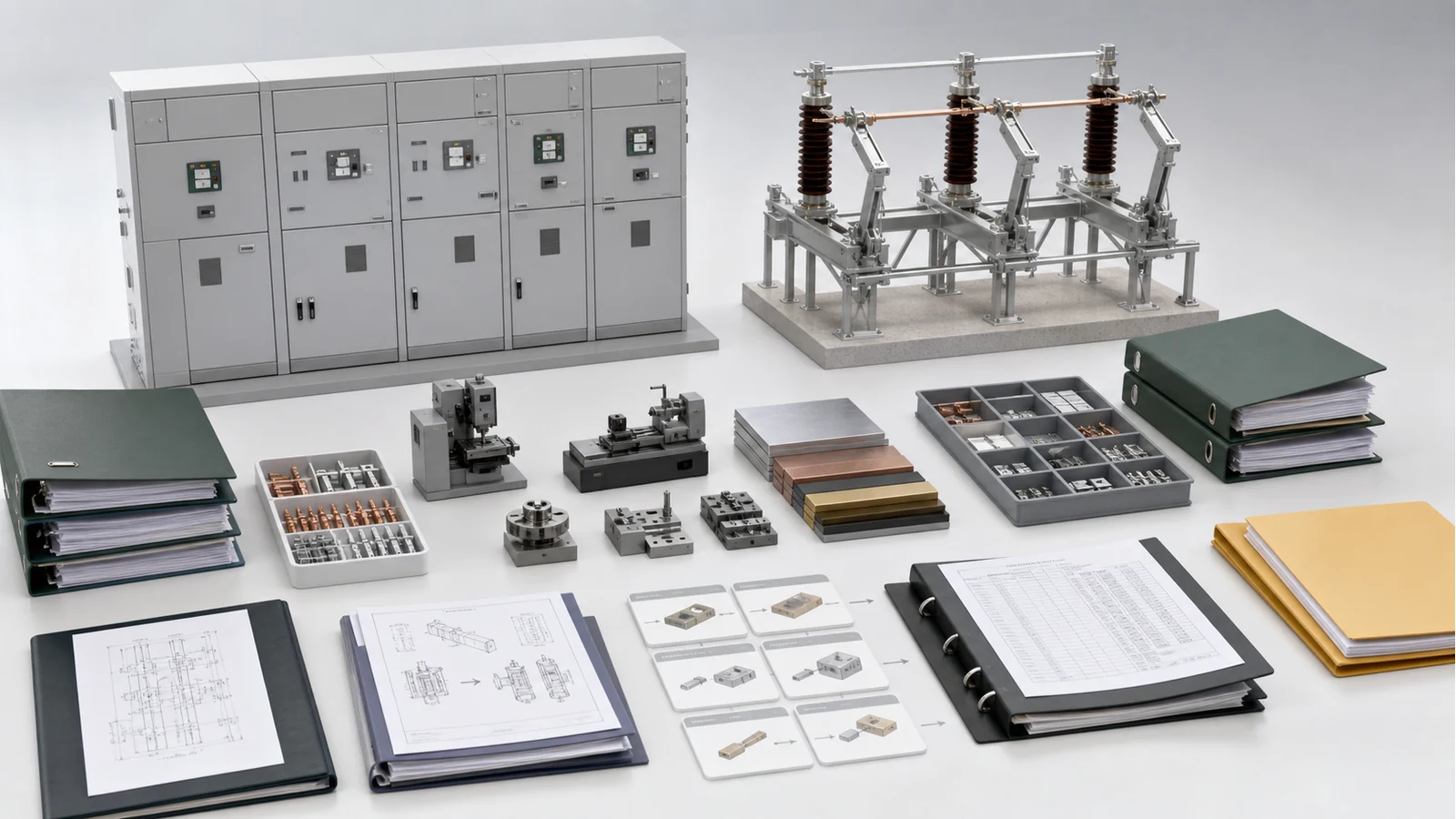
All images are generated illustrative technical visualizations, not XIYA POWER factory, supplier, workshop, equipment, process, audit, inspection, test, FAT, packing, delivery, installation, commissioning, operation, maintenance, failure, incident, or field photographs.
By Candy Zhao, Sales Director at XIYA POWER.
A high voltage equipment supplier audit should connect six evidence workstreams, not stop at a certificate, factory tour, machine list, product photo, sample, or isolated test report. Each item needs a source, date, revision, applicable entity/site/configuration, and decision authority. The result is a bounded qualification decision; it is not product approval, an order inspection and test plan, FAT release, or proof of field performance.
Define the legal entity, manufacturing site, product families and rating/duty boundary, in-house and outsourced processes, audit criteria, evidence period, sampling basis, access, audit competence, and qualification authority before requesting records. Otherwise, an impressive document may be genuine yet irrelevant to the proposed supply scope.
Use one selection matrix so required inputs, decisions, evidence sources, and hold conditions remain visible.
| Workstream | Required input | Decision | Evidence source | Hold condition |
|---|---|---|---|---|
| Scope and audit basis | Entity, site, product families, processes, criteria, evidence period, audit team | What exact scope is being assessed? | Registration, site/process map, scope and outsource list | Entity, site, access or product boundary is unclear |
| Engineering/configuration | Requirements, drawings, calculations, BOM, verification and changes | Is the configuration controlled through production transfer? | Registers, approved files, change and transfer records | Applicability, authority or revision relationship is unresolved |
| Production/process | Route, resources, tooling, instructions, competence, maintenance, capacity basis | Can the stated processes be controlled within the proposed scope? | Route cards, logs, qualifications and production records | Resource status, bottleneck or outsourced control is incomplete |
| Testing/measurement | Test scope, method, equipment, calibration, personnel and records | Is the evidence chain applicable and traceable? | Procedures, status records, raw data, reports and deviation logs | Method, range, identity or raw-to-report link is missing |
| Supply-chain quality/traceability | Approved sources, incoming controls, lots/serials, changes and NCRs | Can inputs and dispositions be traced to finished equipment? | Source list, inspection, certificate, NCR and mapping records | Source, lot, concession or corrective-action evidence is open |
| Continuity/qualification decision | Capacity/contingency, packing/documents, findings, review trigger, authority | What scope, conditions and review status can be authorized? | Finding register, closure evidence, continuity and decision record | A prior hold or decision authority remains open |
The XIYA POWER OEM/ODM page lists the product data, drawings or samples, quantity, labels, inspection expectations, packing, and documents needed before custom production release. Those commercial inputs anchor audit scope, but the page and its photos do not independently verify a factory’s capacity, calibration, product compliance, or order performance.
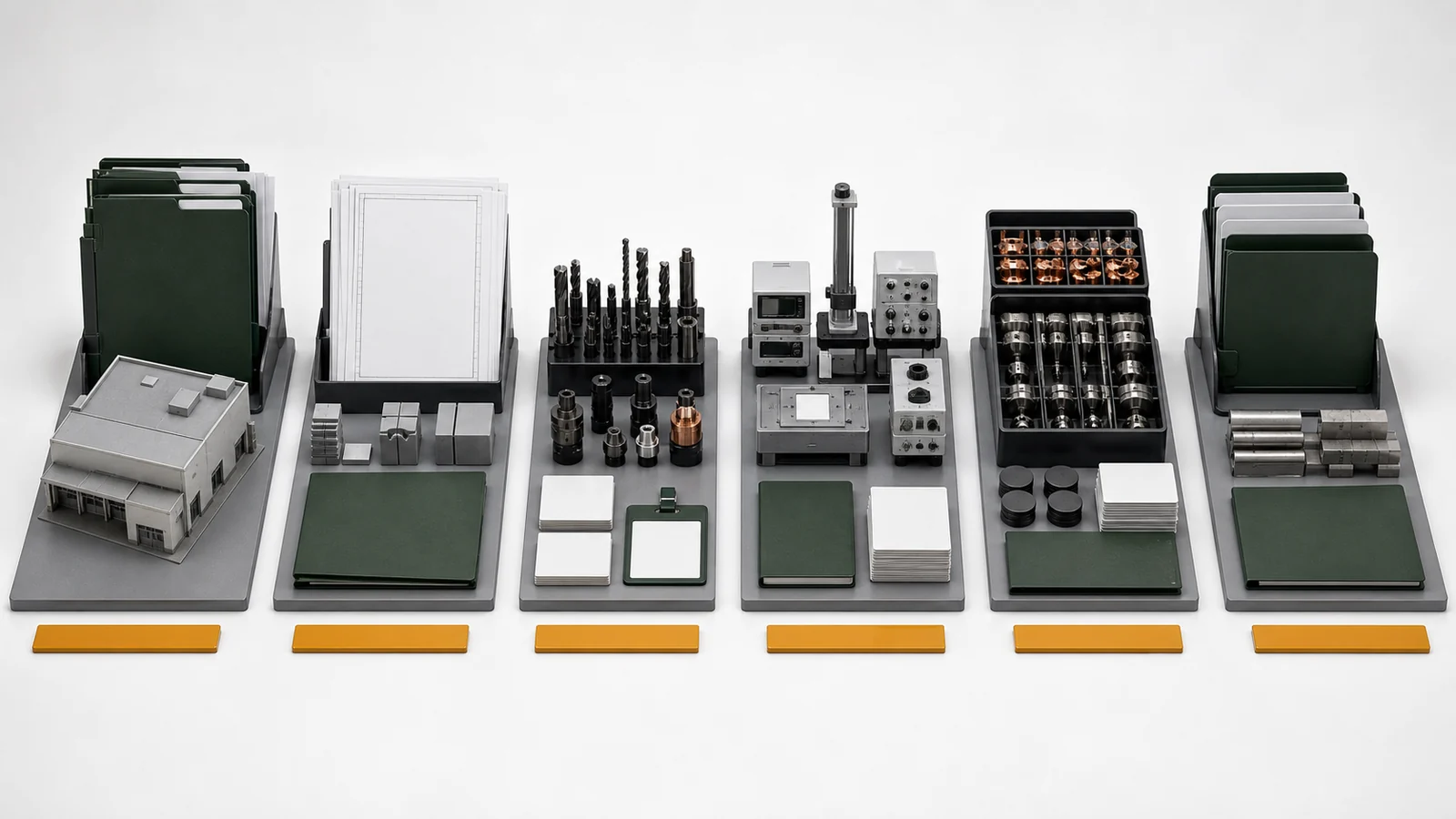
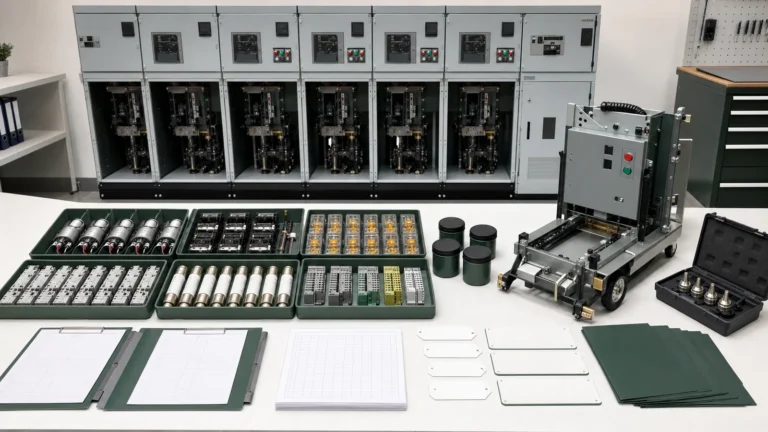
Illustrative technical visualization: exactly six supplier-audit workstreams remain separate evidence and decision gates, with no qualified or approved state.
Do not treat the presence of drawings, software, or engineers as design control. Select records by product family, configuration, and change history, then trace a requirement through review, design inputs, calculations, controlled outputs, BOM/configuration baseline, interface decisions, verification or validation planning, change approval, and production transfer.
Each sampled drawing or calculation needs identity, revision, status, approver, and an applicable input. The BOM-to-drawing relationship must be explicit. When revisions differ, the supplier should show the approved applicability or change relationship rather than assume that newer means correct. For project-related samples, the source hierarchy may include the project specification, applicable manufacturer data, and a short-circuit study where it actually defines duty; each source remains bounded to its adopted scope. Where control, protection, or communication functions use software or firmware, include version, release authority, affected hardware/configuration, and change notification.
Sample both a stable configuration and a changed configuration. Check whether affected documents, tooling, work instructions, purchased items, inspection points, test evidence, and serial/lot records were updated. A signed change request does not prove transfer to the shop floor, and a production record does not prove that engineering approved the change.
The high-voltage equipment manufacturing workflow owns the order sequence from inputs through drawing or sample confirmation, production, testing, packing, and handover. This audit instead asks whether the engineering system feeding that sequence is controlled.
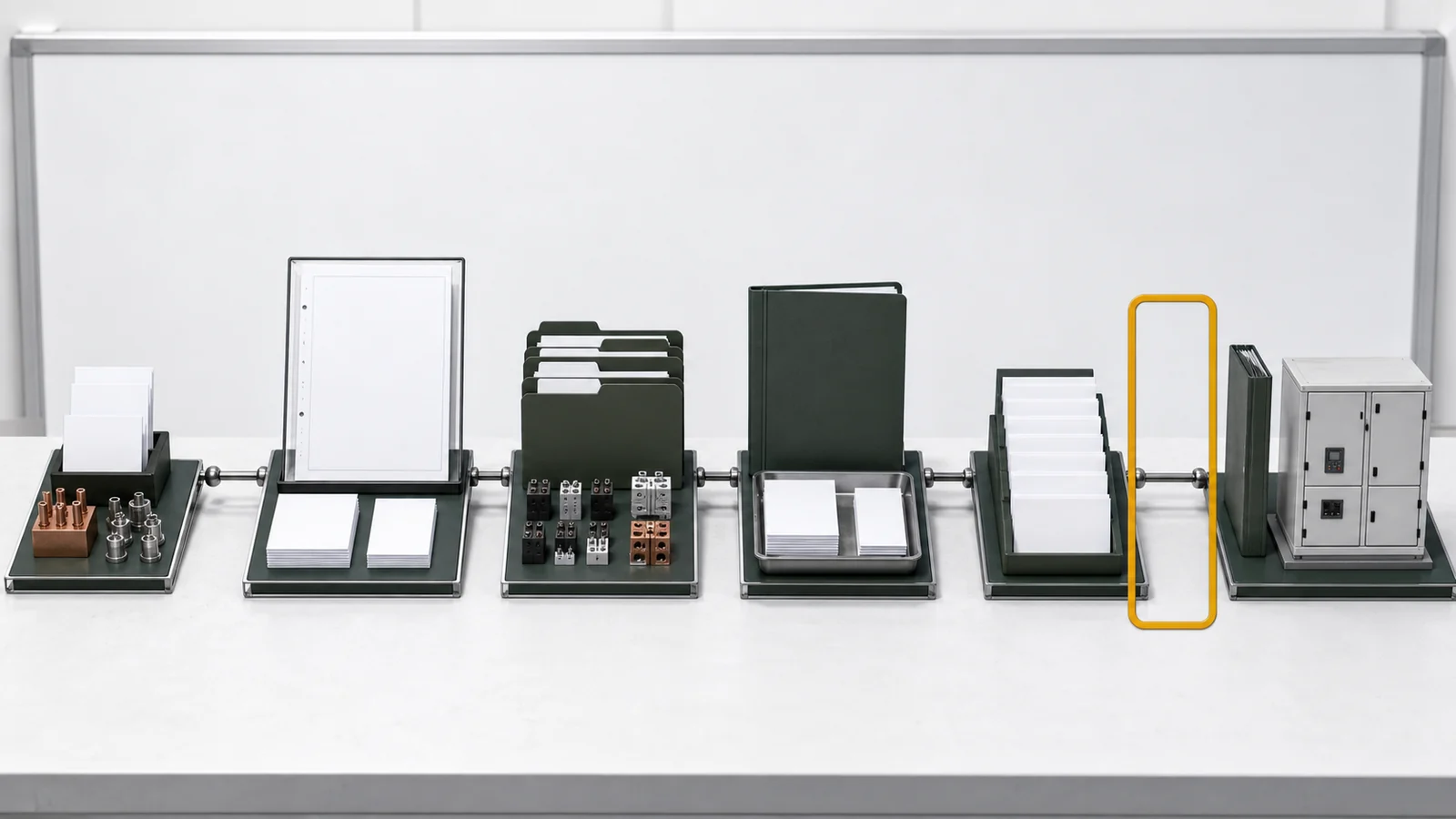
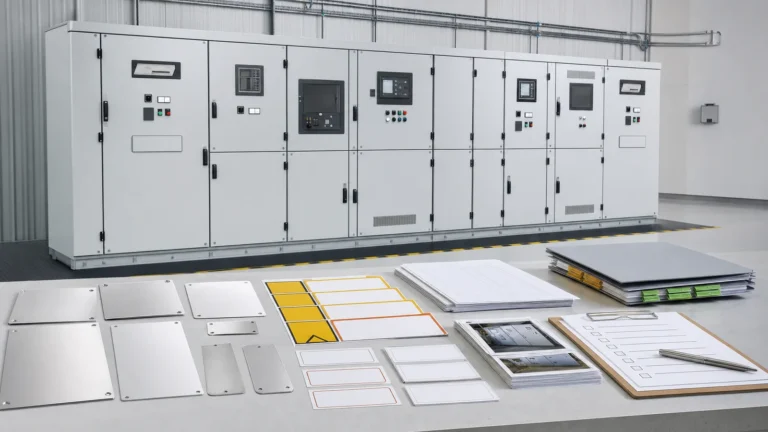
Illustrative technical visualization: requirements, controlled outputs, configuration, verification, change, and production transfer form one six-station chain with an unresolved review boundary.
Separate four evidence states: declared, observed, demonstrated, and record-supported. A supplier may declare a process; an auditor may observe a machine; a team may demonstrate one operation; historical controlled records may show repeated execution. None should be relabeled as stronger evidence than it is.
For each product family, map the process route to maintained equipment and tooling, current work instructions, operator authorization, in-process checks, controlled environmental or preservation inputs where applicable, scheduling records, and outsourced stages. Ask what constrains output: engineering release, purchased components, a special process, assembly space, test access, skilled personnel, or another bottleneck. Capacity claims need an adopted period, product mix, shift/staffing basis, maintenance availability, subcontract dependency, and source records; floor area or machine count alone is insufficient.
Check that the instruction available at the workstation matches the controlled revision and configuration. Sample competence records against the actual operation and authorization scope. For outsourced plating, casting, winding, machining, or other applicable processes, connect the approved source and purchase requirements to the received lot, process evidence, inspection, deviation route, and change notification.
One visit, one shift, one prepared demonstration, or an idle machine cannot establish sustained capability across other batches, sites, shifts, subcontractors, or product families. Record that boundary instead of converting an observation into a broad conclusion.
Build one chain from the specimen/configuration identity to the applicable method, competent personnel, equipment/status, environmental inputs, raw observations, calculations, reviewed report, deviation/retest disposition, and final lot/serial mapping. A missing link makes the record unevaluable for the intended decision; it does not by itself prove that the equipment failed.
A calibration certificate supports only the identified instrument and its stated scope/status. It does not prove that the method was applicable, the specimen was correctly identified, the operator was authorized, the raw data were complete, or the product met its criterion. Likewise, a report or nameplate value needs a configuration and source relationship before it can support another product or order.
Keep routine, type, special, sample, and project tests distinct. The audit can review whether their records are controlled and applicable, but it should not invent methods or acceptance values. Use the following audit evidence request as an RFQ checklist for the supplier data pack:
| Required item | Sample target | Decision | Hold condition |
|---|---|---|---|
| Test scope, current procedure and personnel authorization | Each relevant test type and product family | Method and competence relationship | Procedure, applicability or authorization is missing |
| Equipment register and calibration/status evidence | Instruments used by sampled records | Range/status relationship | Instrument identity, scope or status is not traceable |
| Raw observations, calculations and reviewed report | Selected configurations and dates | Raw-to-report chain | Specimen, data, calculation or reviewer is missing |
| Deviation and retest records | Affected records within the adopted period | Authorized disposition | Retest reason, authority or cross-reference is absent |
| Approved sources and incoming records | Selected critical purchased items and subcontract lots | Source-to-lot control | Source, requirement, inspection or certificate mapping is open |
| NCR, concession, corrective action and change notification | Selected open and closed issues | Disposition and closure evidence | Plan/date exists but objective closure evidence does not |
| Lot/serial and handover mapping | Selected finished-equipment serials | End-to-end traceability | Incoming, process, assembly, test or document link breaks |
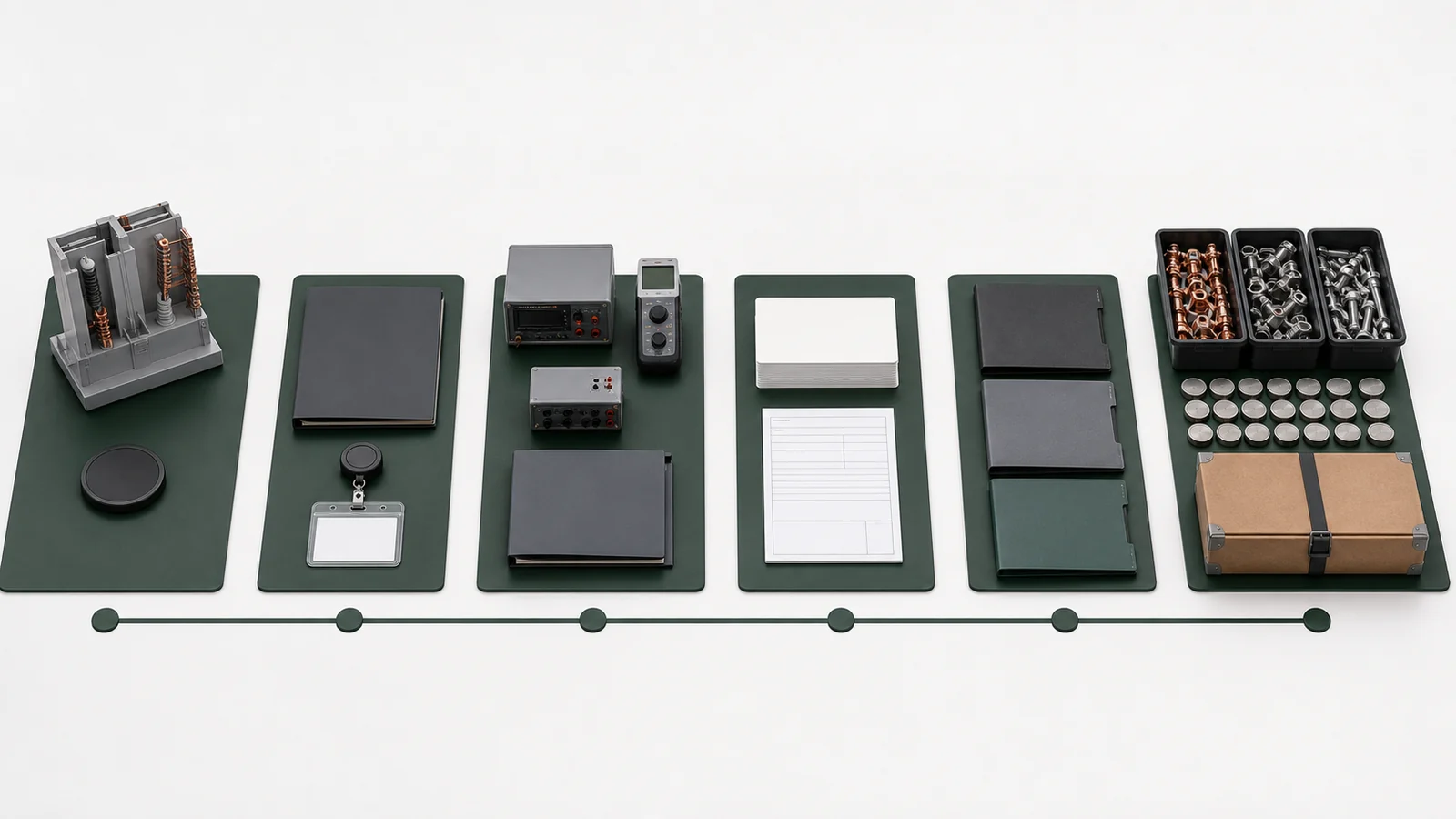
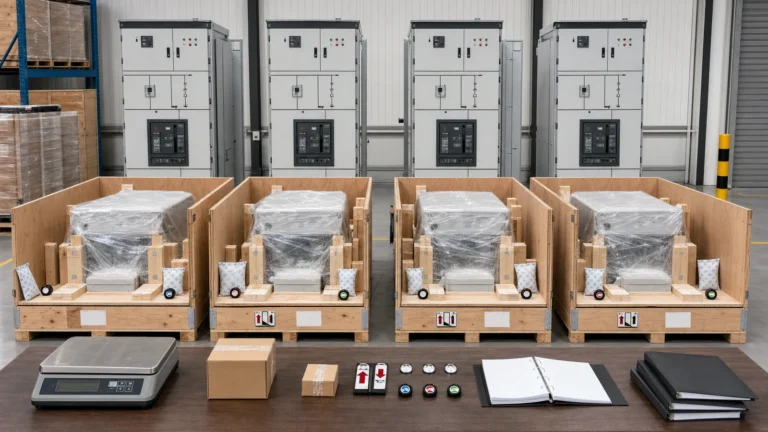
Illustrative technical visualization: specimen identity, method and personnel, equipment status, raw data, report disposition, and lot/serial handover remain one six-station evidence chain without a test result.
The official ISO 19011:2026 page describes guidance for audit principles, audit-program management, conducting management-system audits, and auditor competence/evaluation. It also states that the guidance does not itself lead to certification. This public scope supports a planned, evidence-based audit; it does not certify a supplier, approve a high-voltage product, establish capacity, validate calibration, set project criteria, or release an order.
An ISO 9001 certificate can support management-system scope/status after the issuer, certified entity/site, scope, edition, validity, and authenticity are checked. It cannot alone prove a product rating, current capacity, test result, subcontractor control, or delivery performance.
A first-article or sample approval is bounded to its identified configuration, method, evidence, conditions, and authority. It does not qualify every shift, batch, site, subcontractor, or product family. The supplier quality plan and ITP then owns order-specific manufacturing and verification stages, participation, records, holds, and release authority. FAT attendance, record review, product compliance, technical acceptance, and final release remain separate decisions.
A qualification record should therefore name the entity, site, product/process scope, evidence basis, exclusions, open findings, corrective-action owner and required evidence, conditional limits if any, review trigger, and decision authority. A supplier statement, target date, or action plan is not corrective-action closure.
Invented representative engineering review for supplier-audit method demonstration only. It is not a XIYA POWER supplier, factory, customer, audit, qualification, quotation, order, design, production record, calibration record, inspection, test, FAT, delivery, installation, commissioning, operation, maintenance, failure, incident, or field case. Every entity, product, rating, quantity, date, revision, observation, and returned detail below is fictional and non-universal.
One fictional site is represented for two candidate families: indoor 12 kV-class metal-clad switchgear and outdoor 33 kV-class disconnectors. An invented buyer forecast lists 24 panels and 18 three-pole disconnector sets. These are procurement inputs, not capacity conclusions. The proposed evidence window is the previous 12 months; it is not a universal audit frequency or retention rule.
The fictional engineering register references general-arrangement revision D, schematic revision C, BOM revision B, and engineering-change record revision A without an approved applicability chain. The production return lists two panel assembly bays, one busbar preparation station, three mechanism fixtures, and one disconnector assembly area, but ownership/status, maintenance, staffing, demonstrated cycle, bottleneck capacity, and subcontract dependencies are incomplete.
The fictional test return lists one power-frequency test set, one partial-discharge measuring system, three micro-ohmmeters, and four torque tools. Range, accuracy, calibration scope/status, method linkage, competence, configuration identity, and raw-to-report traceability remain open. A traceability sample references incoming lots R-17 and R-18, production serials P-041 through P-064, and subcontracted plating batch S-09 without a complete purchased-item-to-handover cross-reference.
| Open hold | Invented gap | Evidence required before decision |
|---|---|---|
| Engineering/configuration | Requirement authority, D/C/B/A applicability, BOM/drawing relationship, verification and change transfer are unresolved | Controlled applicability, approval, verification and transfer records |
| Production/process capability | Resource status, maintenance, instructions, competence, bottleneck and outsourced controls are incomplete | Applicable route, status, competence, production and subcontract evidence |
| Testing/measurement | Range, calibration, method, personnel, specimen, raw data, calculation, report and retest controls are incomplete | Traceable equipment, method, competence and raw-to-report records |
| Quality/traceability/continuity | R-17/R-18, P-041-P-064, S-09, sources, NCR/change, handover, contingency and authority are open | End-to-end mapping, closure, continuity and decision records |
All four holds remain open. No supplier or product family is qualified, conditionally approved, rejected, certified, shortlisted, awarded, accepted, released, ordered, delivered, installed, commissioned, operated, maintained, or field proven. Missing evidence remains an open decision; it does not prove fraud, failure, noncompliance, incapability, or a negative outcome.
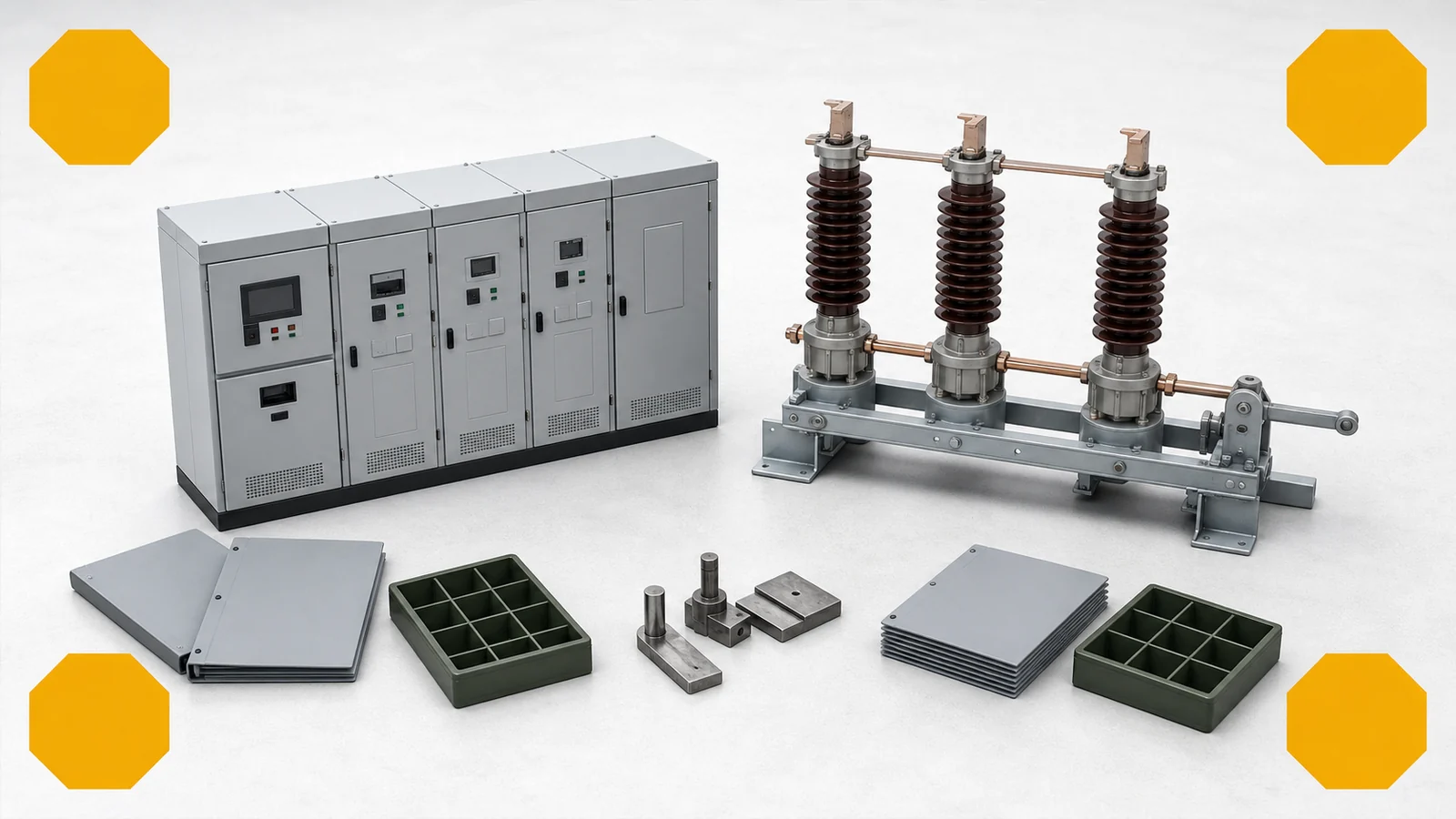
Illustrative technical visualization: one invented switchgear lineup and one disconnector model remain surrounded by exactly four blank amber holds, with no qualification state.
Send the defined scope, evidence request, open-hold register, and decision-authority questions through the XIYA POWER contact page. The handoff does not constitute an audit commitment, capacity confirmation, qualification, or order release.
Cover the legal entity/site and product/process scope, engineering/configuration control, production resources and processes, testing/measurement, supply-chain quality and traceability, and continuity/qualification governance. Give each workstream required inputs, evidence sources, decisions, boundaries, hold conditions, and a named authority.
No. After authenticity and scope checks, a certificate can support management-system status for its named entity/site and scope. It does not by itself prove product ratings, current capacity, test results, calibration status, subcontractor control, delivery performance, or suitability for the proposed order.
Sample requirement reviews, controlled drawings and calculations, applicable BOM/configuration records, interface decisions, verification or validation plans, engineering changes, and production-transfer evidence. Select stable and changed configurations, then verify identity, revision, approval, applicability, and cross-document relationships.
Connect each relevant test scope to an applicable procedure, authorized personnel, identified equipment with suitable status evidence, specimen/configuration identity, environmental inputs, raw observations, calculations, reviewed reports, and deviation/retest records. Review applicability and traceability without assuming unprovided methods or acceptance values.
Not alone. It supports only the identified configuration, method, conditions, evidence, and authority observed or reviewed. Supplier qualification requires evidence across the defined entity, site, product families, processes, shifts or periods, subcontractors, and governance scope; later order controls remain separate.
Record a hold with the missing or inconsistent evidence, affected scope, owner, required return, review authority, and target date where adopted. Do not treat a plan or supplier statement as closure. Keep the relevant qualification decision open until authorized review accepts applicable closure evidence.